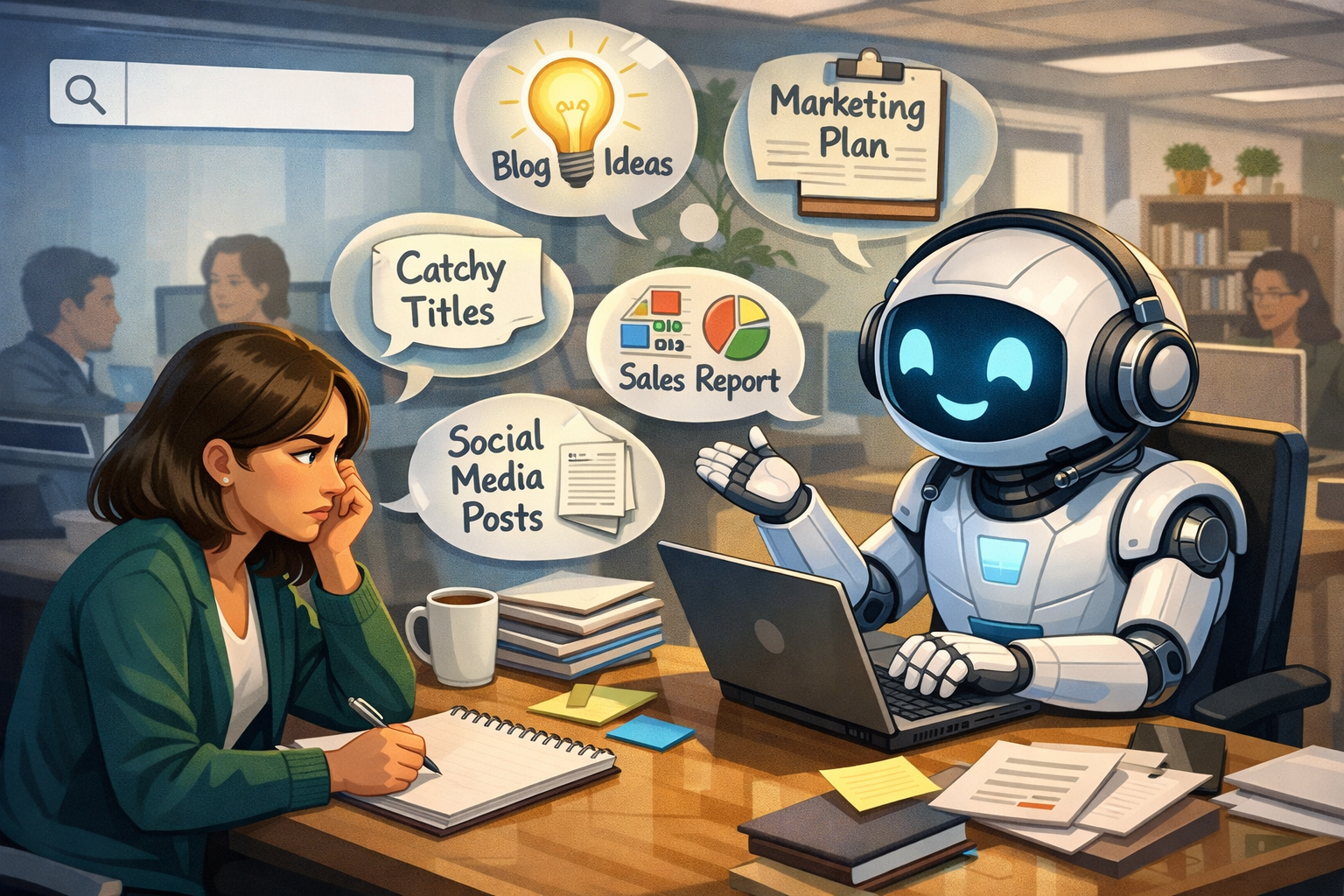
We’ve all stared at a blank page, wishing our search engine could brainstorm ideas instead of just returning links. Current workplace trends show AI acts more like a digital intern—a powerful language calculator that generates rather than merely searches.
Directing this tool requires new techniques. Mastering these essential skills transforms overwhelming hype into practical AI for students.
Talking to the Machine: Mastering Prompting and Search
Typing keywords into Google gives you links, but interacting with AI is like instructing a very literal assistant. To properly grasp generative AI versus traditional search engines, realize that AI creates completely fresh text from scratch instead of fetching existing web pages.
Getting exactly what you need requires prompt engineering for academic success. Set clear contextual boundaries for your digital assistant by combining four essential elements:
- Role: “Act as a history tutor.”
- Task: “Explain the Cold War.”
- Context: “For a 9th-grade student.”
- Format: “Use short bullet points.”
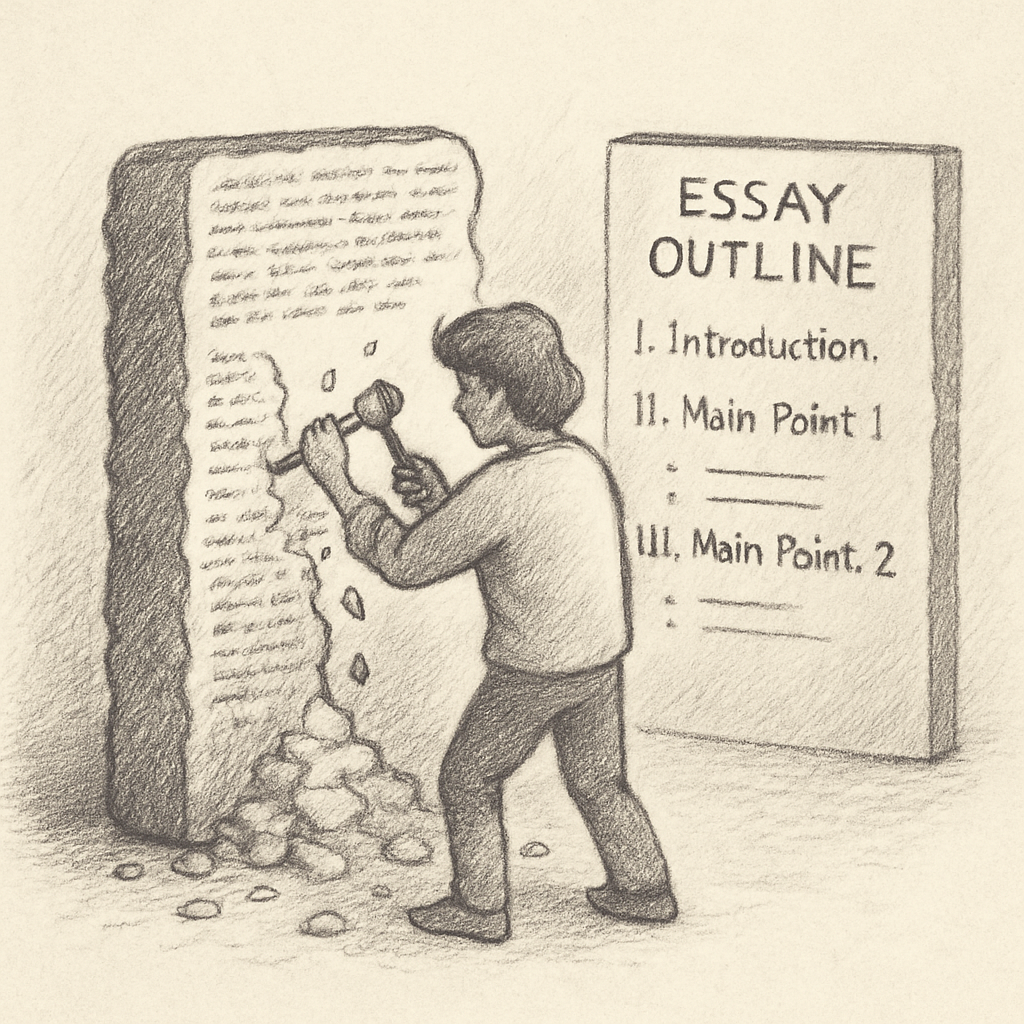
Your initial result is just a rough block of clay. Mastering natural language processing basics requires iterative refinement—sculpting the output by telling the AI to “add examples” until it shines. But how do you know those polished facts are actually real? Next, we must manage hallucinations, bias, and privacy.
The Truth Filter: Managing Hallucinations, Bias, and Privacy
Even the smartest digital assistant can confidently give you the wrong answer. Knowing how to identify AI hallucinations is crucial, since tools occasionally invent facts to keep conversations going. Additionally, because AI learns from existing data, it inherits our prejudices. Mitigating bias in large language models requires remembering the library analogy: an AI trained on skewed perspectives delivers skewed results.
Sharing your secrets presents another major hazard. The data privacy risks of consumer AI mean anything you type—like sensitive emails or private study notes—might be stored permanently. Always treat chatbots like public bulletin boards.
To safely handle the ethical implications of artificial intelligence in education, use this verification checklist:
- Pause: Does the generated claim sound suspicious?
- Search: Cross-reference facts using a standard search engine.
- Protect: Strip personal details before prompting.
Future-Proofing Your Career: Ethics and Human-AI Collaboration
Future-proofing careers with AI literacy starts by automating routine student tasks—like generating study schedules or summarizing lengthy articles—to free up your time for deeper, creative thinking.
Recognizing helpful algorithmic patterns introduces basic data science concepts for non-technical majors, boosting your overall efficiency. Three excellent AI productivity tools for college students include:
- Notion AI: For seamlessly organizing chaotic study notes.
- ChatGPT: For brainstorming strong essay outlines.
- Grammarly: For polishing your final written drafts.
True human-AI collaboration in the classroom means you stay in the driver’s seat. By treating chatbots as sounding boards rather than ghostwriters, maintaining academic integrity using generative tools becomes just as straightforward as citing your sources properly.

Your 30-Day AI Roadmap: From User to Master
Mastering AI isn’t about software; it’s about your mind. While exploring AI training programs helps, your ultimate advantage remains critical thinking in the age of automation. Try this right now: ask an AI to critique your next assignment, but ensure you make the final edits.