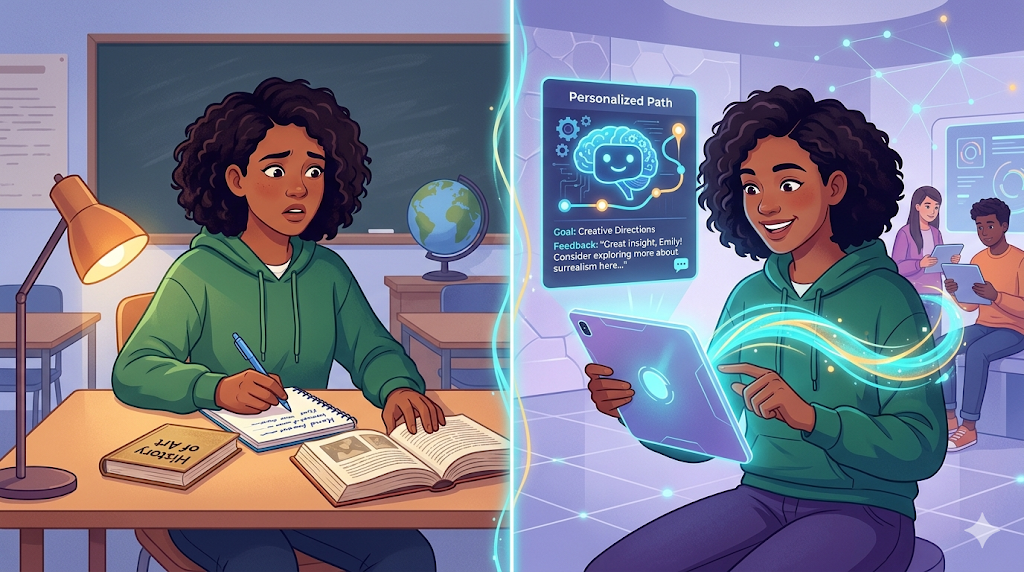
We’ve all seen a computer write a quick poem, but its everyday magic truly shines when it acts as a digital safety net for learners. In practice, if you wonder how ai is used in classrooms today, it is no longer just a basic chatbot. Instead, it has evolved into a multi-faceted educational ecosystem. This transformation delivers personalized success for students, vital efficiency for teachers, and breakthrough accessibility for neurodivergent minds. Beyond the hype, 39 examples of artificial intelligence in education ground this exciting technology in practical reality.
Why AI is the Digital Safety Net Your Classroom Needs
Picture sitting in a crowded classroom, desperately hoping the teacher won’t move on before you finally grasp the lesson. One educator simply cannot act as a private tutor for thirty distinct kids simultaneously. Consequently, the traditional one-size-fits-all model inevitably leaves some students behind while holding others back.
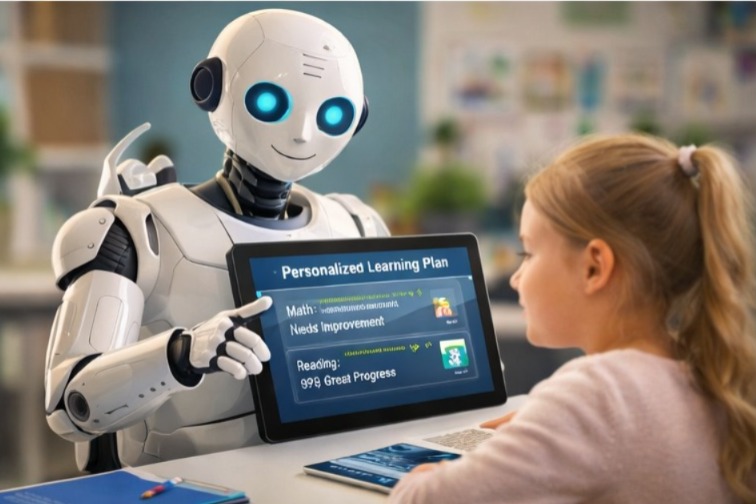
To solve this, schools use adaptive learning—technology that automatically adjusts difficulty based on a child’s answers. Think of adaptive learning platforms for personalized education like a navigational system that recalculates the route whenever a student takes a wrong turn. When comparing generative ai vs traditional learning tools, modern software actively guides rather than just grading, acting as a personal GPS for every student.
15 Ways Adaptive Learning Platforms Provide a Personal GPS for Every Student
Remember when studying just meant staring at flashcards until your eyes blurred? Today, that passive memorization is shifting toward active demonstration. This change is powered by Intelligent Tutoring Systems (ITS)—software acting as a digital mentor that provides step-by-step guidance rather than just giving away the final answer. When intelligent tutoring systems for K-12 students notice a child struggling with fractions, they instantly pivot, offering a new explanation tailored to that specific roadblock.
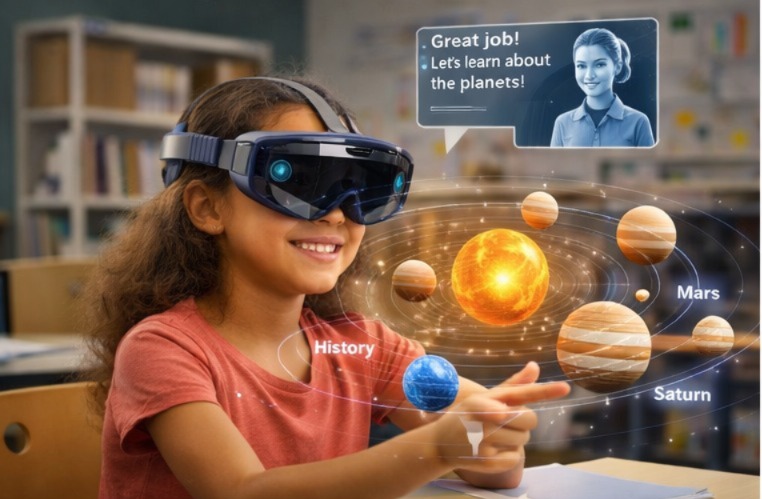
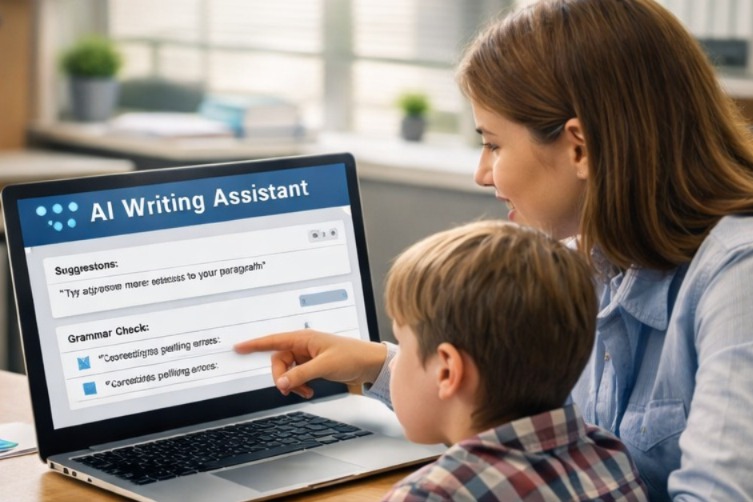
Instead of waiting days for a graded quiz, students now receive immediate, 1-on-1 feedback through diverse digital tools. Consider these 15 everyday classroom applications: (1) Khan Academy’s Khanmigo for interactive tutoring, (2) Duolingo for conversational practice, (3) Photomath for visual problem-solving, (4) Quizlet Q-Chat for smart flashcards, (5) Brainly for peer-to-peer AI support, (6) Coursera’s adaptive course recommendations, (7) Speech-to-text note-taking for accessibility, (8) AI reading level adjusters, (9) Immersive VR history simulations, (10) Safe AI chemistry labs, (11) Personalized vocabulary lists, (12) Smart textbooks that quiz as you read, (13) Gamified coding tutors, (14) Real-time grammar checkers, and (15) AI music composition tools.
Behind the scenes, these platforms use clever technology to understand human input. For example, natural language processing for language learning apps allows your phone to “listen” to your Spanish pronunciation and gently correct your accent in real-time. It feels like magic, but it’s simply a computer trained to recognize speech patterns.
Empowering kids with their own digital guides naturally transforms the classroom dynamic. Because students finally have the personalized support they need to independently conquer daily assignments, educators are freed from endless academic troubleshooting. This extra time directly supports the person at the front of the room, allowing teachers to reclaim critical planning hours.
How Automated Grading Systems Give Teachers Back 10 Hours a Week
Picture a teacher staring at a towering stack of weekend essays. Instead of spending hours marking commas, they now use automated grading systems for reducing teacher workload. These tools rely on automated grading algorithms—essentially digital sorting machines that compare answers against a rubric to instantly spot errors and assign a preliminary score. This safety net handles the tedious busywork, letting educators focus on genuine student mentoring rather than data entry.
Beyond scoring papers, this technology acts as a tireless assistant handling ten daily administrative hurdles. Teachers are actively exploring the best ai tools for lesson planning and curriculum development to instantly generate project ideas, build slide decks, and create custom worksheets. These systems simultaneously draft daily quizzes, schedule classroom activities, format term syllabi, pull relevant educational videos, and summarize academic research in mere seconds.
The final crucial time-saver happens long after the school bell rings. When connecting with diverse families, AI can seamlessly translate parent-teacher emails into over 100 languages instantly, ensuring every guardian stays informed. With these traditional burdens lifted, educators can dedicate their newfound energy to vulnerable populations, integrating breakthrough literacy tools for special education.
9 Breakthroughs Using AI-Driven Literacy Tools for Special Education
Imagine a student who understands science perfectly but struggles because textbook letters seem to dance on the page. Today, Assistive AI acts as a digital prosthetic for these learning disabilities. The benefits of artificial intelligence for special education students mean a child instantly accesses tools adapted to their unique brain wiring.
Educators are successfully bridging educational gaps with ai-driven literacy tools that morph to meet specific needs. These everyday breakthroughs include software generating dyslexia-friendly fonts, applications providing real-time audio descriptions of complex diagrams for visual impairments, and smart text-to-speech readers that adjust their pacing. Beyond basic reading help, specialized Emotion Recognition AI—software that safely helps students with Autism practice interpreting subtle facial cues—is quietly transforming social development in the classroom.
These invisible support systems ensure every neurodivergent learner gets a fair chance to succeed without feeling singled out from their peers. As this technology protects a student’s academic confidence, it also works behind the scenes to safeguard their physical environment and ethical integrity.
5 Practical Ways Schools Use AI for Campus Security and Ethical Integrity
While AI tutors capture headlines, this technology also works quietly in the principal’s office. Schools now use predictive analytics—essentially an early warning weather system—to keep daily operations running smoothly and safely.
Administrators are carefully balancing the ethical considerations of ai in schools through five practical applications:
- Optimizing daily bus routes for maximum fuel savings.
- Enhancing physical campus security using visual analytics.
- Forecasting enrollment trends to secure accurate funding.
- Monitoring school networks to quickly flag cyberbullying.
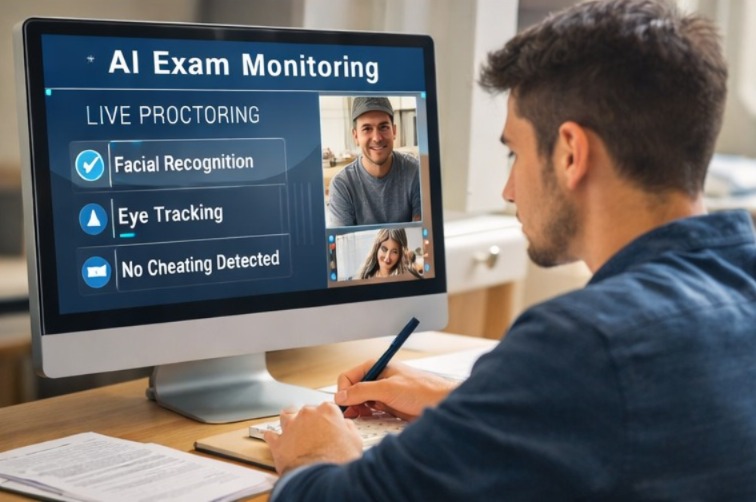
- Addressing academic integrity with ai detection software to ensure original work.
Protecting student privacy remains the non-negotiable foundation of these behind-the-scenes administrative systems, ensuring that technology serves as a secure framework for human-led instruction.
Why the Future of Education is Human-Led but AI-Powered
You no longer need to wonder, will artificial intelligence replace teachers in the future? Like the calculator, this technology is a tool designed to empower educators, not replace them.
The thought of implementing ai technology in school curriculum is no longer overwhelming. The modern classroom remains distinctly human; it simply has a smarter support system. Choose one area where a student or teacher needs help—whether that is personalized math practice or grading relief—and integrate a single targeted tool to start experiencing these practical benefits today.