Future Tech AI: The Rise of Artificial Intelligence
Artificial Intelligence (AI) is no longer science fiction. It is part of everyday life now.
AI is changing the way we live, work, and think.
It makes our tools smarter and our world more efficient.
From healthcare to personal assistants, AI touches many areas. As a result, industries are being transformed at record speed.

🏙 Smart Cities and AI
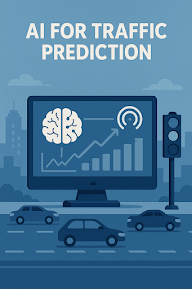
AI helps cities run smoothly. It manages traffic, saves energy, and improves public safety.
Sensors, cameras, and IoT devices feed real-time data into city systems.
As a result, decisions happen faster and with more accuracy.
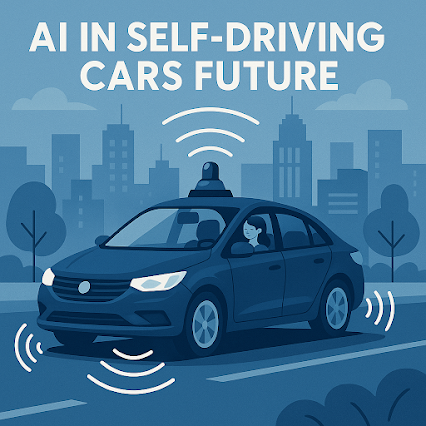
Transport is also changing. Self-driving cars are already being tested.
Traffic lights adjust automatically when roads get busy.
Autonomous cars lower accidents caused by human error.
🏥 AI in Healthcare
AI supports doctors in diagnosing patients. It spots diseases like cancer or Alzheimer’s at early stages.
Machine learning studies scans, reports, and patient records. Therefore, doctors get quicker and more accurate results.
Treatment also improves. AI builds personalized plans using genetics and lifestyle data.
This reduces trial-and-error and makes recovery faster.
📚 AI in Education
AI changes how students learn. Adaptive systems adjust lessons to each student’s speed and skill level.
As a result, learning becomes easier and more effective.
AI tutors and chatbots provide help anytime.
Teachers also use AI analytics to see which students need support.
💼 AI in Business
Businesses use AI for smarter decisions.
It predicts customer behavior, manages supply chains, and supports company growth.
AI also improves customer service. Chatbots and voice assistants give fast, personal answers.
Recommendation tools suggest products that match customer needs.
🎨 AI in Creativity
AI supports writers, artists, and designers. It suggests ideas, generates art, and even writes code.
Humans still guide the process, but AI saves time and increases creativity.
AI also helps in film and music. It edits video, composes music, and handles routine work.
This way, creators focus more on innovation.
🔐 AI in Cybersecurity
AI protects against online threats. It scans networks and spots strange activity before damage happens.
Machine learning adapts quickly to block new hacking attempts.
AI also powers modern security systems.
Face scans, fingerprints, and voice recognition protect phones, banks, and even law enforcement tools.
⚖ Ethical and Social Challenges
AI creates new opportunities, but also challenges.
Some jobs may disappear. At the same time, new jobs in AI management will appear.
Therefore, governments and leaders must create fair rules for AI use.
Privacy is another concern. AI needs personal data to work well.
As a result, strong data protection policies are necessary to keep public trust.
🚀 The Road Ahead
The journey of AI is only beginning.
Future AI will help in quantum computing, climate change, and more.
However, progress must stay balanced with responsibility.
Looking ahead, AI will define the next generation of technology.
Experts, policymakers, and the public must work together.
If used wisely, AI can improve lives, promote fairness, and support progress worldwide.