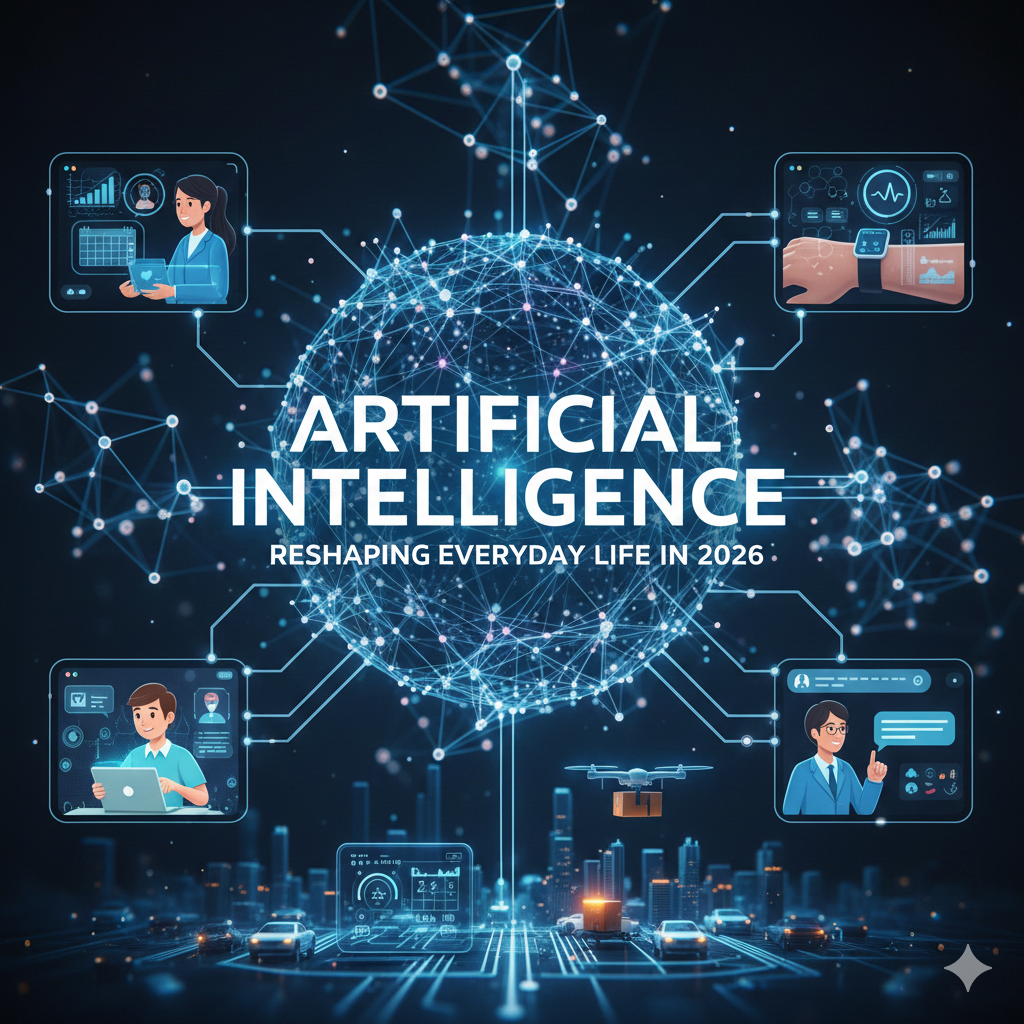
Artificial Intelligence (AI) is no longer a futuristic concept—it has become an integral part of everyday life in 2026. From how we work and learn to how we shop, travel, and take care of our health, AI is quietly reshaping daily routines, making life more efficient, personalized, and connected.
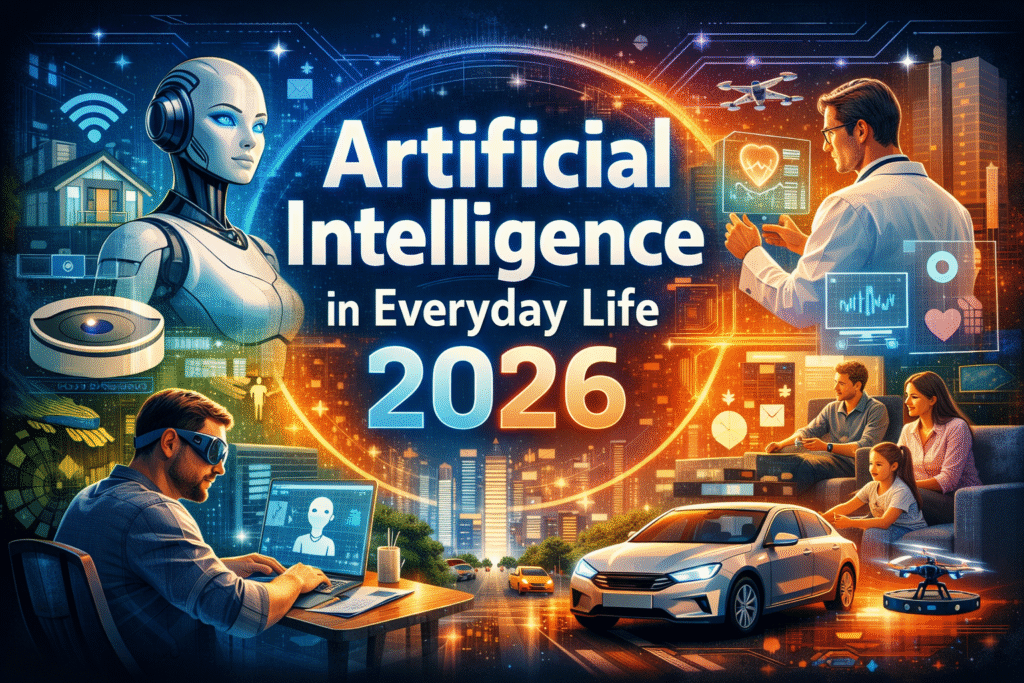
One of the most visible impacts of AI is in daily productivity and work. AI-powered assistants now manage schedules, draft emails, summarize meetings, and analyze large volumes of data within seconds. In many professions, AI tools act as co-workers rather than replacements, helping teachers design lessons, researchers analyze findings, and marketers optimize content. Remote and hybrid work models have also become smoother due to AI-driven collaboration tools and smart task automation.
In education, AI has transformed learning into a personalized experience. Adaptive learning platforms assess students’ strengths and weaknesses in real time and adjust content accordingly. Virtual tutors, powered by AI, provide instant feedback and support, especially benefiting students in remote or under-resourced areas. By 2026, AI-driven personalized learning has reduced one-size-fits-all teaching and increased learner engagement.
Healthcare is another area where AI is making a daily difference. Wearable devices now use AI to monitor heart rate, sleep patterns, and stress levels, alerting users to potential health risks early. AI chatbots assist with basic medical guidance, appointment scheduling, and mental health support, easing pressure on healthcare systems while improving access to care.
AI has also reshaped shopping and consumer behavior. Recommendation systems accurately predict user preferences, offering personalized product suggestions and dynamic pricing. Smart homes powered by AI manage energy usage, security, and household tasks, helping people save time and reduce costs.
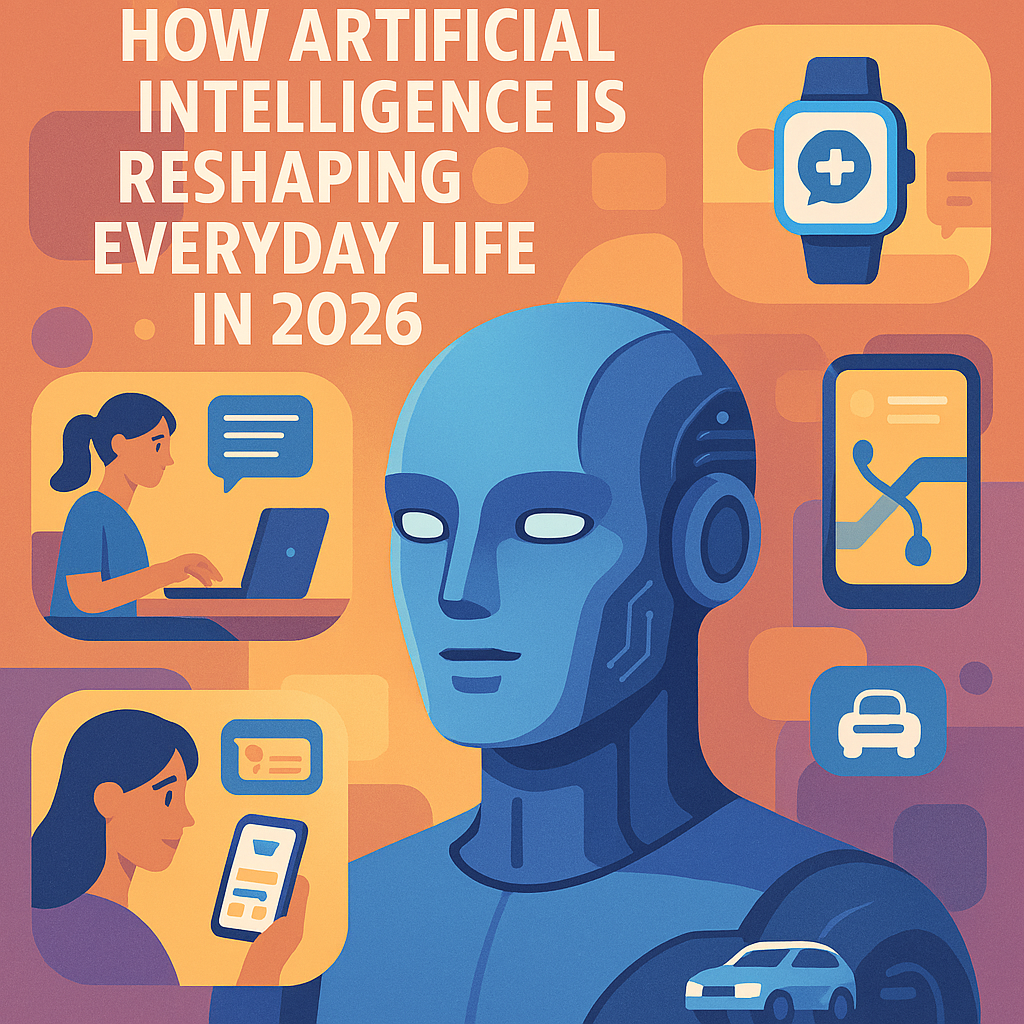
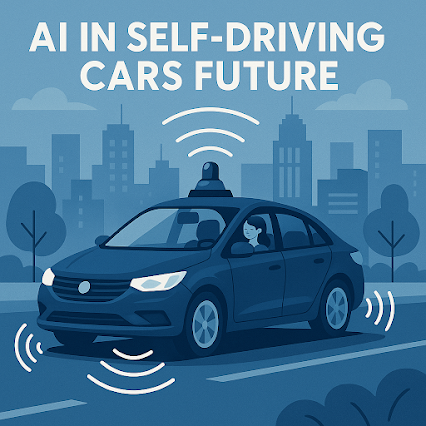
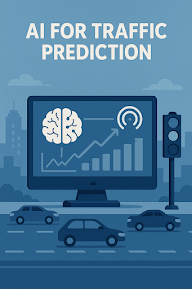
In transport and mobility, AI-driven navigation systems provide real-time traffic updates, optimize routes, and enhance road safety. Ride-sharing and delivery services rely heavily on AI for demand prediction and efficient logistics, making urban life more convenient.
Despite these benefits, the rapid expansion of AI raises concerns about data privacy, job displacement, and ethical use. In 2026, governments and organizations are increasingly focusing on responsible AI practices, transparency, and digital literacy to ensure that AI serves humanity fairly.