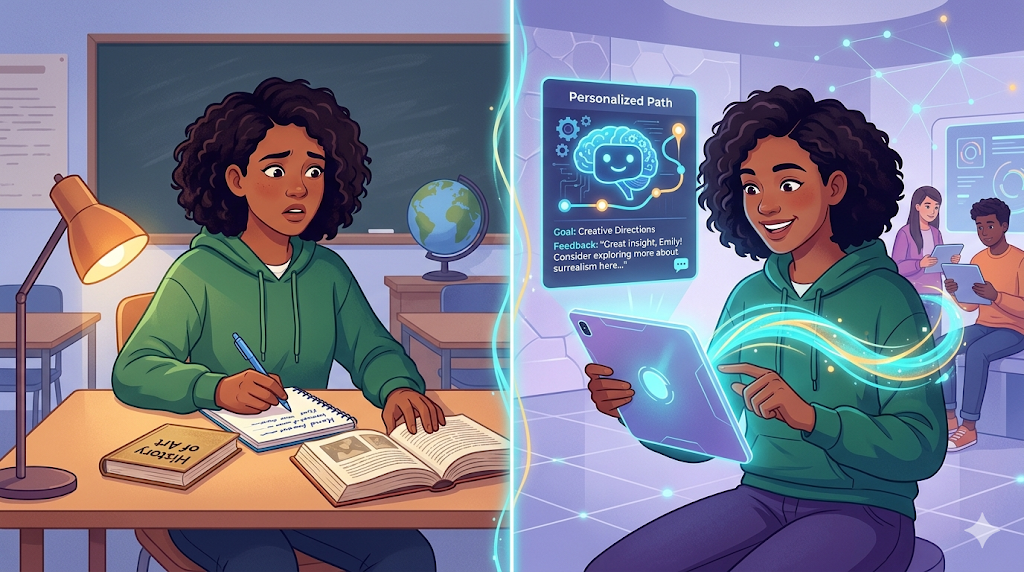
Artificial intelligence is reshaping education. It offers new ways to learn and teach.
AI can personalize learning experiences. It adapts to each student’s needs and pace.
Teachers benefit from AI, too. It automates tasks, freeing up time for teaching.
AI tools provide real-time feedback. This helps students improve quickly and efficiently.
However, AI in education raises concerns. Data privacy and security are major issues.
The role of teachers is changing. They are becoming more like mentors and guides.
AI can also help bridge educational gaps. It provides access to quality resources worldwide.
The future of education with AI is promising. But it requires careful planning and ethical use.
Understanding AI in Education: Definitions and Context
Artificial Intelligence, or AI, mimics human abilities like learning and problem-solving. In education, AI acts as a transformative force.
AI in education includes various technologies. These encompass machine learning, natural language processing, and virtual reality.
Educators use AI to create personalized learning experiences. This approach tailors content to fit each learner’s strengths and weaknesses.
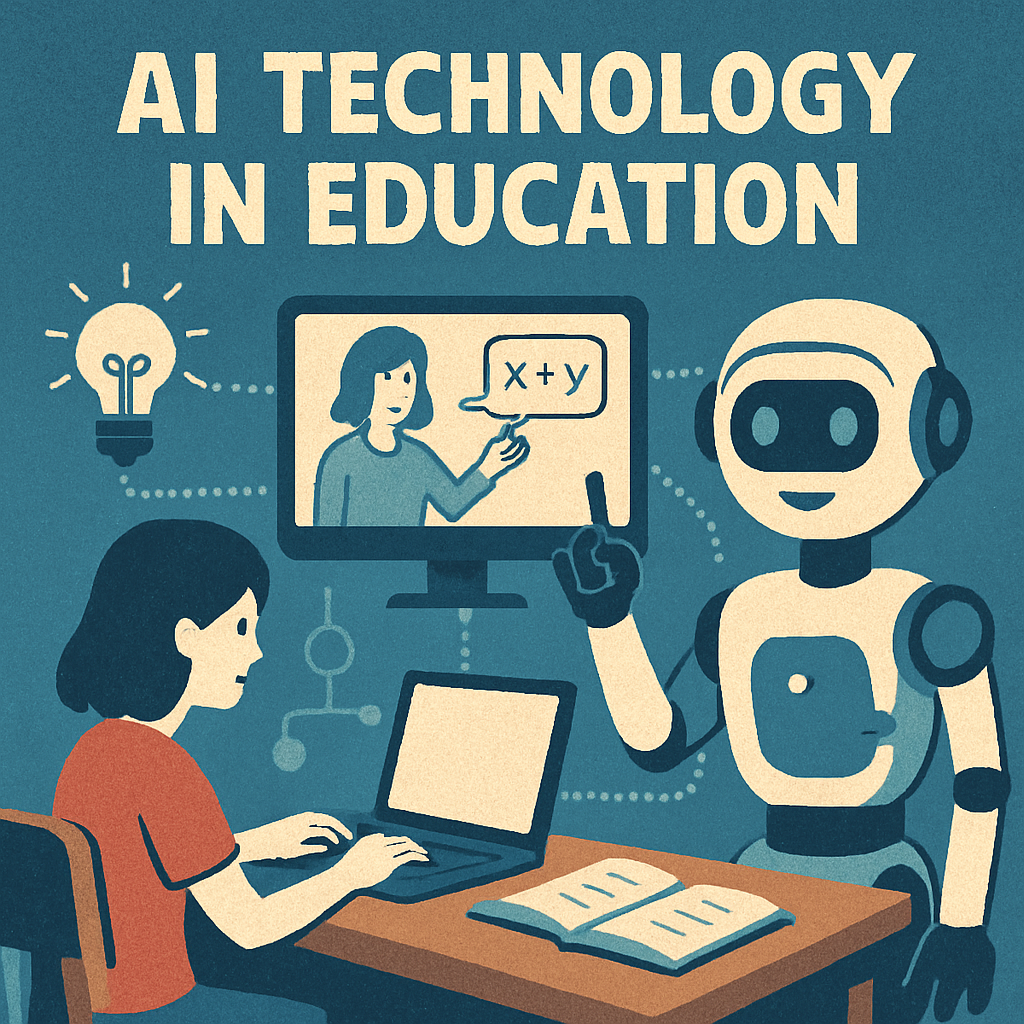
Key components of AI in education include:
- Automated administration: Streamlining tasks like grading and attendance.
- Adaptive learning: Personalizing lessons based on student interactions.
- Predictive analytics: Anticipating student needs based on data trends.
Adopting AI in education aligns with the digital age’s demands. It not only meets students’ individual needs but also prepares them for future challenges.
Understanding AI’s role in education requires grasping its potential and limitations. As AI evolves, its impact on learning environments will likely grow profoundly. This expansion poses opportunities and challenges for educators and learners alike.
The Evolution of Education Technology and AI Integration
Education technology has undergone significant changes over the decades. Initially, it started with basic digital tools like computers in classrooms. Technology’s evolution has been steady and impactful.
The integration of AI into education marks a new era. AI reshapes educational landscapes by transforming how students learn and interact. AI’s role continues expanding as technology becomes more advanced and accessible.
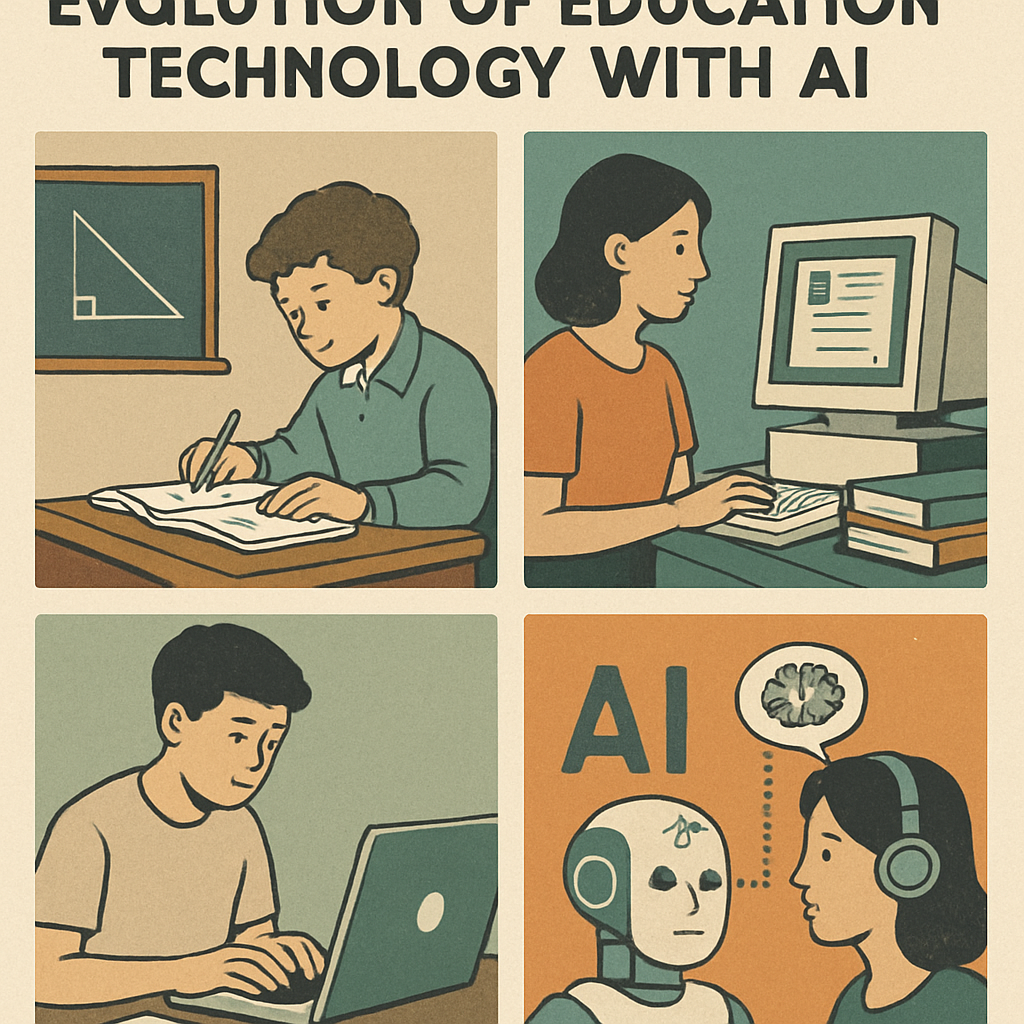
Key milestones in this integration include:
- Early digital learning tools: Such as learning management systems.
- Introduction of AI tutoring systems: Offering personalized support.
- Development of adaptive learning platforms: Tailoring content dynamically to students’ needs.
Today, AI-enhanced education tools are ubiquitous. They promise a future where learning becomes more adaptive and collaborative. This evolution also opens avenues for more inclusive and engaging educational experiences, reaching students worldwide. Education technology will undoubtedly continue evolving with AI at its core.
Key Benefits: How AI Enhances the Quality of Education
AI is bringing about remarkable improvements in education. It ushers in personalized learning experiences, tailored to individual student needs. This technology helps educators target teaching interventions more effectively.
AI can streamline administrative tasks, leaving teachers more time for student interaction. Automation in grading and other routine tasks frees up educators. This results in more focus on enhancing teaching quality.

by Randy Fath (https://unsplash.com/@randyfath)
AI’s real-time feedback capabilities allow for immediate insights into student performance. It helps identify learning gaps quickly. Thus, educators can intervene sooner and adjust teaching strategies accordingly.
Other notable benefits include:
- Interactive learning: Increased student engagement through AI-driven platforms.
- Resource efficiency: Optimized allocation of educational resources.
- Increased accessibility: Access to a vast repository of digital learning materials.
AI also fosters an inclusive learning environment by accommodating diverse learning styles. It bridges language barriers through real-time translation tools, enhancing communication. Overall, AI creates an educational ecosystem that is more responsive to the changing needs of students and educators alike.
Personalized and Adaptive Learning Experiences
AI offers incredible potential for personalized education. Learners benefit from adaptable content that caters specifically to their pace and style. This transformation leads to more effective learning outcomes.
Students experience education tailored to their unique needs. Adaptive learning platforms analyze progress and adjust content dynamically. Such platforms ensure that learning is neither too easy nor too difficult.
Teachers benefit greatly, too:
- Efficient tracking: Monitor individual student progress easily.
- Targeted interventions: Provide help exactly where students struggle.
- Engagement increase: Tailor materials to student interests, boosting motivation.
AI aids educators in crafting customized lessons and assessments. This personalized approach breaks away from traditional one-size-fits-all education. As a result, students stay more engaged and succeed in their academic endeavors.
Supporting Teachers: Automation and Real-Time Feedback
Teachers play a crucial role in student success, and AI supports them effectively. By automating tedious tasks like grading, AI saves teachers valuable time. This enables them to focus more on fostering student development.
Real-time feedback systems improve instructional quality. They provide insights into student performance, helping refine teaching methods promptly. With such data-driven support, educators enhance their teaching strategies.
Key support aspects include:
- Administrative relief: Automate scheduling and attendance tasks.
- Informed teaching: Use AI analytics to guide lesson planning.
- Resource recommendations: Suggest learning materials based on performance data.
AI tools offer personalized feedback to both students and teachers. This allows for immediate course correction and reinforces learning points. Consequently, education becomes more efficient and responsive.
Expanding Access and Inclusivity in Education
AI is a powerful tool for expanding educational access and inclusivity. It enables learning opportunities for students in remote or underserved areas. By overcoming geographical barriers, more learners can gain quality education.
Equity in education is enhanced through AI’s versatile capabilities. The technology caters to diverse learning needs and styles. Tools can adjust the pace of learning and provide support for special educational needs.
AI’s inclusivity benefits encompass:
- Language support: Real-time translation makes content accessible to non-native speakers.
- Diverse engagement: Adjustable content suits various learning preferences.
- Global reach: Connect students and educators across different regions.
AI provides educational equity, offering equal access to digital tools and resources. By promoting inclusivity, AI creates a learning environment where all students can thrive. This results in a more competent and skilled generation prepared for future challenges.
Challenges and Concerns: The Other Side of AI in Education
Though AI enriches education, it also poses several challenges that educators must address. The integration of AI brings with it issues like data privacy and ethical concerns. These are critical as educational institutions increasingly rely on digital platforms.
AI systems are not infallible and can introduce biases if not carefully monitored. Such biases can affect fairness, leading to inequality among students. Ensuring unbiased data and algorithms is crucial to maintaining quality education.

by Phú Lucas (https://unsplash.com/@phulucas)
Moreover, the shift to AI-driven learning platforms can alter human interaction patterns significantly. Traditional teaching roles may change, with teachers needing to adapt to their new roles. This evolution brings both opportunities and risks to the learning environment.
In addition to these, other pressing challenges include:
- Infrastructure demand: Significant investment is required for AI integration.
- Training necessity: Teachers must be equipped to use AI tools effectively.
- Cost implications: Initial setup and ongoing maintenance can be expensive.
Understanding and addressing these challenges is key to leveraging AI’s potential fully. As AI becomes more prevalent in education, institutions must navigate these complexities carefully. Doing so ensures that AI contributes positively to the future of learning.
Data Privacy, Security, and Ethical Considerations
Data privacy and security are vital concerns in AI-powered education. Institutions must safeguard student information rigorously to maintain trust. Any breach could have severe implications for students and institutions alike.
Ethical considerations also come to the forefront with AI’s increasing role. The use of student data in AI systems raises questions about consent and transparency. Ethical frameworks must be developed to guide data usage and ensure fairness.
Key considerations include:
- Secure systems: Implement robust security protocols for data protection.
- Transparent practices: Ensure students and parents know how data is used.
- Ethical guidelines: Develop and adhere to ethical policies in AI usage.
Addressing these aspects requires collaborative efforts from educators, technologists, and policymakers. Only then can education systems harness AI’s potential responsibly, ensuring a secure and ethical digital learning environment.
Bias, Fairness, and the Risk of Inequality
AI systems can inadvertently perpetuate biases, leading to unfair educational outcomes. These biases often stem from the datasets used to train AI algorithms. Analyzing and mitigating such biases are essential tasks.
Maintaining fairness in AI-driven education is crucial for equitable learning experiences. Without intervention, AI might deepen existing educational inequalities. Therefore, vigilance in overseeing AI implementation is necessary.
Strategies to mitigate these risks include:
- Diverse datasets: Use varied and inclusive data for AI training.
- Constant evaluation: Regularly monitor AI systems for biases.
- Inclusive approach: Design AI tools that cater to all student demographics.
Ensuring fairness and reducing bias in AI applications require deliberate efforts. Stakeholders in education must actively work to identify and address potential inequities. In doing so, AI can enhance education without compromising fairness.
Human Interaction and the Changing Role of Teachers
AI integration shifts the traditional roles teachers play in the classroom. While AI enhances educational processes, it also alters teacher-student interaction dynamics. Educators must adapt to these changes proactively.
The balance between human interaction and AI-driven education is critical. Teachers are transitioning from knowledge deliverers to facilitators of learning. This shift emphasizes guidance, mentorship, and personalized student support.
Roles adapting in this landscape include:
- Mentorship focus: Strengthen relationships through personalized student support.
- Guide facilitation: Help students navigate AI-driven learning resources.
- Skill development: Encourage critical thinking and creativity beyond AI capabilities.
Teachers need support and training to adapt to these new roles effectively. Professional development is essential in equipping them with the skills required in AI-enhanced environments. This evolution in teaching roles enhances educational quality while embracing AI’s potential.
Real-World Examples: AI in Classrooms and Learning Platforms
Artificial intelligence is already making a significant impact in classrooms worldwide. Real-world applications demonstrate how AI can enhance educational quality and accessibility. From personalized tutoring to automated grading, schools are leveraging AI technology in innovative ways.
Several educational institutions utilize AI to provide tailored learning experiences. Platforms like Carnegie Learning use AI to adapt lessons to individual student needs. This personalization ensures students receive support that matches their learning pace.

by cin . (https://unsplash.com/@ciins)
Beyond personalization, AI simplifies administrative tasks in schools. For instance, automated grading systems, such as Gradescope, save teachers valuable time. This allows educators to focus more on interactive and creative teaching methods.
Additionally, AI-powered platforms support collaborative learning and engagement. Systems like Microsoft Teams foster dynamic virtual classrooms and encourage student interaction. By integrating AI into these platforms, students from various backgrounds can connect and learn collaboratively.
Key implementations of AI in education include:
- Personalized tutoring systems
- Automated assessment tools
- Virtual classrooms and discussion forums
These examples highlight AI’s transformative impact on education, paving the way for a more interactive and inclusive future.
The Future of Education: Trends, Opportunities, and Predictions
As AI continues to evolve, the future of education looks both exciting and challenging. Emerging trends suggest significant transformation driven by technology. The integration of AI in education will redefine how students learn and interact with information.
One major trend is the rise of virtual and augmented reality in classrooms. These technologies offer immersive learning experiences that were once unimaginable. Such experiences allow students to explore subjects in an engaging and interactive manner.

by Keren Fedida (https://unsplash.com/@kerenfedida)
Opportunities are abundant as AI fosters a global education community. AI tools enable students from different regions to connect and share knowledge. This global interaction promotes cultural understanding and diverse learning experiences.
Predictions for the future of education include:
- Increased use of immersive technologies
- Global learning communities
- Continued personalization of educational content
The landscape of education will continuously evolve with AI advancements. While opportunities abound, these changes will require educators and students to adapt. Embracing these innovations will be key to achieving a high-quality education system.
Conclusion: Striking the Balance for High-Quality Education with AI
AI offers transformative potential for education, enhancing learning processes and outcomes. However, achieving high quality depends on thoughtful integration and ethical considerations. Stakeholders must work collectively to address the challenges AI presents.
Collaboration between educators, technologists, and policymakers is crucial. By working together, they can craft solutions that maximize the benefits of AI. This cooperation ensures that ethical standards guide the use of technology in educational settings.
Striking the right balance involves continuous learning and adaptation. As AI evolves, so must our approaches to teaching and learning. Embracing these changes will enable an educational system that is inclusive, effective, and innovative.