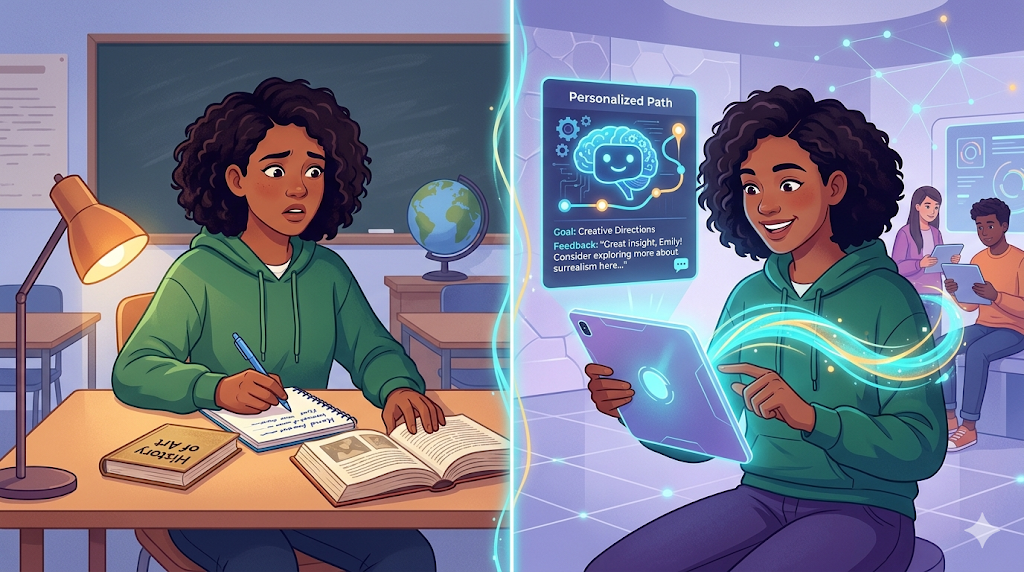
Ethical AI literacy is becoming essential for students today. As AI technologies advance, understanding their ethical implications is crucial.
Students must learn to use AI responsibly. This ensures technology benefits society without causing harm.
AI ethics education should be part of school curricula. It prepares students for a tech-driven future.
Educators play a vital role in fostering ethical AI literacy. They help students critically evaluate AI technologies and their applications.
By learning about AI ethics, students become responsible digital citizens. They are empowered to navigate the ethical challenges of AI in various fields.

What Is Ethical AI Literacy?
Ethical AI literacy is understanding how AI affects society. It involves grasping the ethical implications of AI technologies.
Students need to know how AI systems work. This includes learning about data, algorithms, and potential biases.
A key part of ethical AI literacy involves understanding data privacy. Students must grasp how AI handles personal data and privacy concerns.
Components of ethical AI literacy include:
- Recognizing AI’s impact on privacy and security.
- Understanding AI’s societal effects and responsibilities.
- Evaluating the ethical use of AI in various industries.
By learning these aspects, students can critically analyze AI’s role in their lives. Understanding AI’s ethical side equips them to make informed decisions. They become prepared to address future AI challenges responsibly.
Why Responsible AI Use Matters for Students
Responsible AI use is crucial for ensuring technology serves society’s best interests. Students must learn how AI can improve or harm our world. Knowledge of responsible AI can lead to better technology choices.
The impact of AI on society is significant. It’s essential for students to understand this impact to ensure ethical technology decisions. They should develop a keen awareness of AI’s potential societal benefits and risks.
Key aspects of responsible AI use include:
- Understanding AI’s environmental effects.
- Recognizing potential biases in AI systems.
- Considering AI’s impact on job markets and societies.
By focusing on these areas, students can contribute to a future where AI helps rather than hinders progress. They will learn the importance of weighing AI’s benefits against its drawbacks. Through responsible use, students are empowered as future digital leaders.
Key Elements of AI Ethics Education
AI ethics education equips students with the knowledge to make informed technology decisions. This education is essential for understanding complex ethical issues in AI. It prepares students to tackle real-world problems with a moral perspective.
Several core elements are vital for AI ethics education. These elements provide a framework for understanding and evaluating AI systems. Students gain a deeper insight into ethical considerations by focusing on these aspects.
Important components include:
- Recognizing bias in AI algorithms.
- Understanding data privacy and security.
- Exploring transparency in AI operations.
- Examining the societal impacts of AI technologies.
By exploring these elements, students can assess and reflect on the ethical dimensions of AI. This education encourages critical thinking and responsible decision-making. It lays the foundation for students to become ethical technology advocates in their future careers. Through comprehensive AI ethics education, students contribute to a more equitable and just technological landscape.
Common Ethical Challenges in AI for Students
Students face numerous ethical challenges when engaging with AI systems. These challenges often stem from the complexities inherent in AI technologies. Understanding these issues is crucial for responsible AI use.
One major challenge is algorithmic bias, which can lead to unfair outcomes. Bias in AI arises from skewed data, which affects how decisions are made. Students need to learn how to identify and mitigate such biases.
Another issue is the potential invasion of privacy by AI tools. This raises significant ethical concerns regarding personal data protection. Students must consider the balance between innovation and privacy.
Key ethical challenges include:
- Algorithmic bias and unfairness.
- Data privacy and security risks.
- Lack of transparency in AI decision-making.
By recognizing these challenges, students can become better equipped to address ethical dilemmas in AI.
Integrating Ethical AI Literacy into School Curricula
Incorporating ethical AI literacy into school curricula is vital for preparing students for the future. This integration helps students understand the complexities of AI technologies. Schools play a crucial role in this educational endeavor.
Educators can design tailored lessons to enhance ethical literacy. These lessons should cover core AI concepts, potential risks, and ethical considerations. This approach ensures comprehensive exposure to AI ethics education.
Partnerships with tech companies can provide valuable resources. Such collaborations offer real-world insights into the ethical use of AI. Schools can leverage these partnerships to enrich their curricula with practical knowledge.
Key steps for integration include:
- Developing specialized AI ethics courses.
- Providing hands-on AI projects and workshops.
- Encouraging interdisciplinary learning approaches.
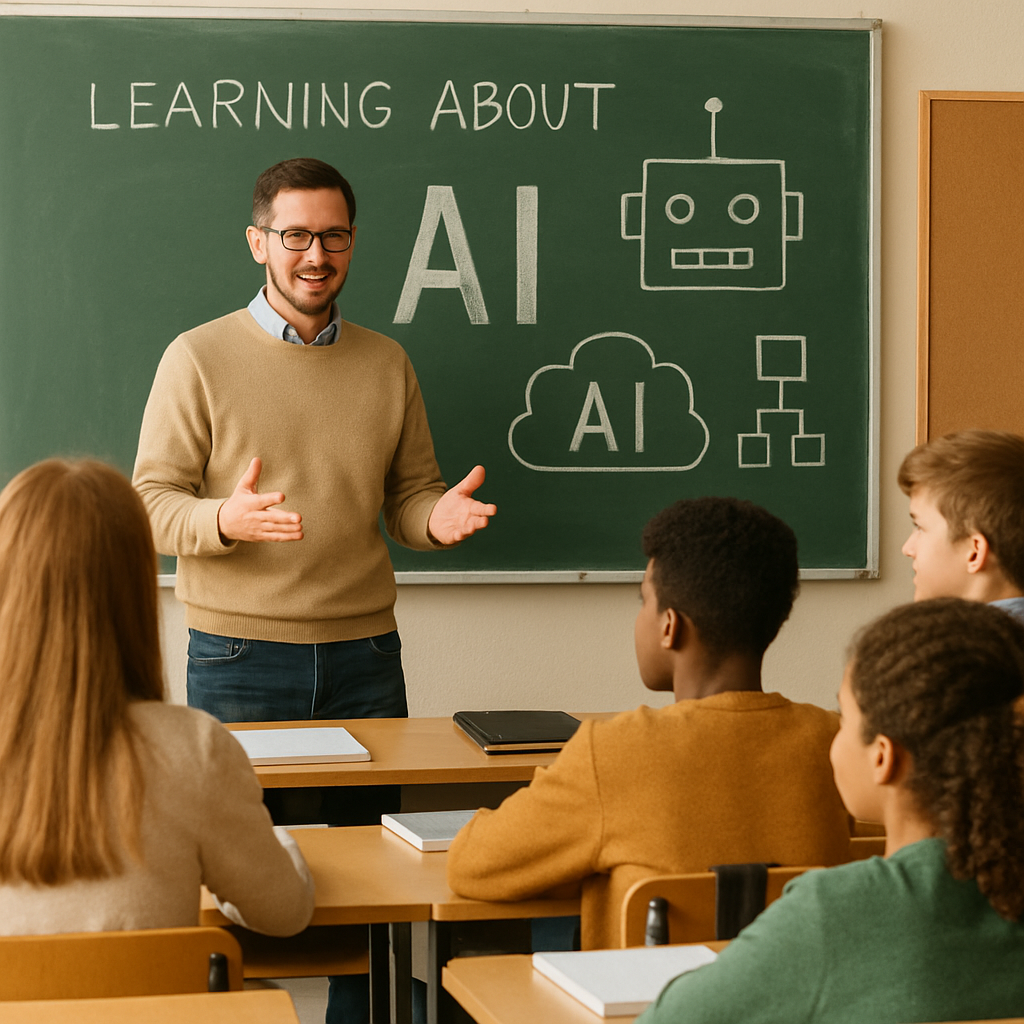
By embedding ethical AI literacy into education, schools can foster informed and responsible future tech leaders.
Practical Activities and Case Studies for Ethical AI Learning
Hands-on activities and real-life case studies enrich ethical AI learning. They make abstract concepts tangible for students. These practical methods foster deeper understanding and engagement.
Activities can include simulations and role-playing exercises. Students can explore AI decision-making and its ethical implications. Such experiences encourage critical thinking and discussion.
Integrating case studies highlights real-world ethical challenges. These examples demonstrate the impact of AI decisions on society. Students gain insights into responsible AI use through analysis and debate.
Consider these practical applications:
- Conducting AI ethics debates in class.
- Analyzing AI-driven social media scenarios.
- Solving ethical dilemmas through collaborative projects.
By engaging with practical exercises, students learn to navigate the ethical landscape of AI technologies.
Empowering Students as Responsible Digital Citizens
Empowering students with ethical AI literacy equips them to become responsible digital citizens. This education fosters awareness of technology’s role in society. It instills a sense of accountability and ethics in tech use.
Through AI ethics education, students can advocate for ethical practices in technology. They are better prepared to make informed decisions and contribute positively to society.
Areas to focus on include:
- Practicing digital responsibility and privacy protection.
- Understanding the ethics of online interactions.
- Promoting inclusivity and fairness in digital environments.
These skills help shape a conscientious generation ready to navigate the digital world thoughtfully.
Conclusion: Building a Future with Ethical AI Literacy
As AI technologies advance, ethical AI literacy becomes increasingly crucial. Educating students about AI ethics prepares them for a tech-driven world. It ensures they can navigate challenges responsibly and ethically.
By integrating ethical AI principles into education, we empower future leaders. Students become adept at balancing innovation with ethical considerations. This education lays the foundation for a more equitable and just technological landscape. With these skills, they can shape a future where technology serves society’s greater good responsibly.