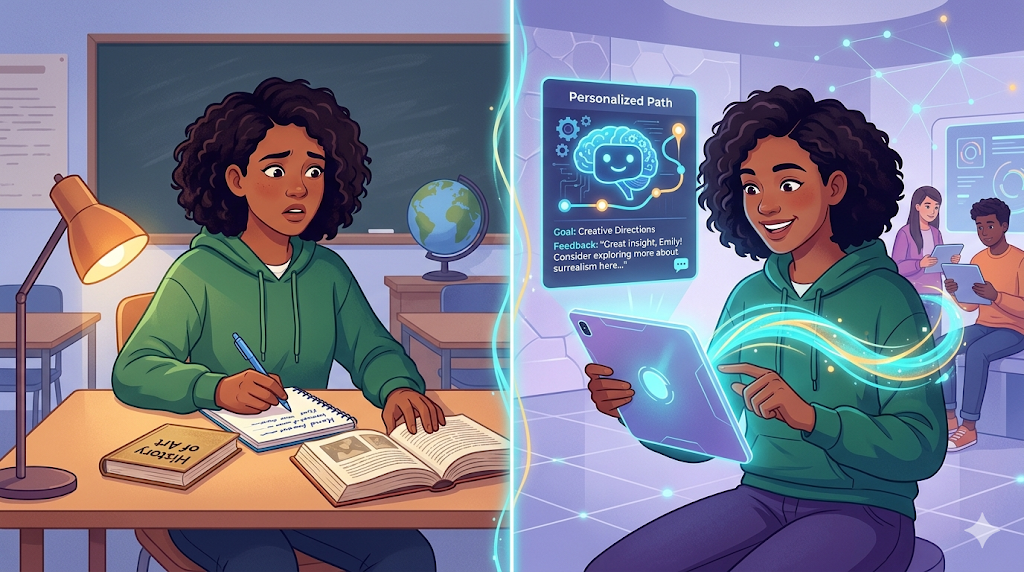
The US government is placing a multimillion-dollar bet on your career. According to federal budget data, massive investments in US government AI education grants are moving directly into your community. This funding is a calculated push to ensure the American workforce remains competitive, rather than just routine tax spending.
Think of artificial intelligence not as magic, but as a modern version of reading and writing. Just as basic literacy is required to navigate daily life, functional AI literacy is quickly becoming mandatory for future of work AI workforce training programs.
Preparing for this economic shift starts in local classrooms. By transforming national security goals into practical school resources, federal agencies are funding the exact skills our children need.
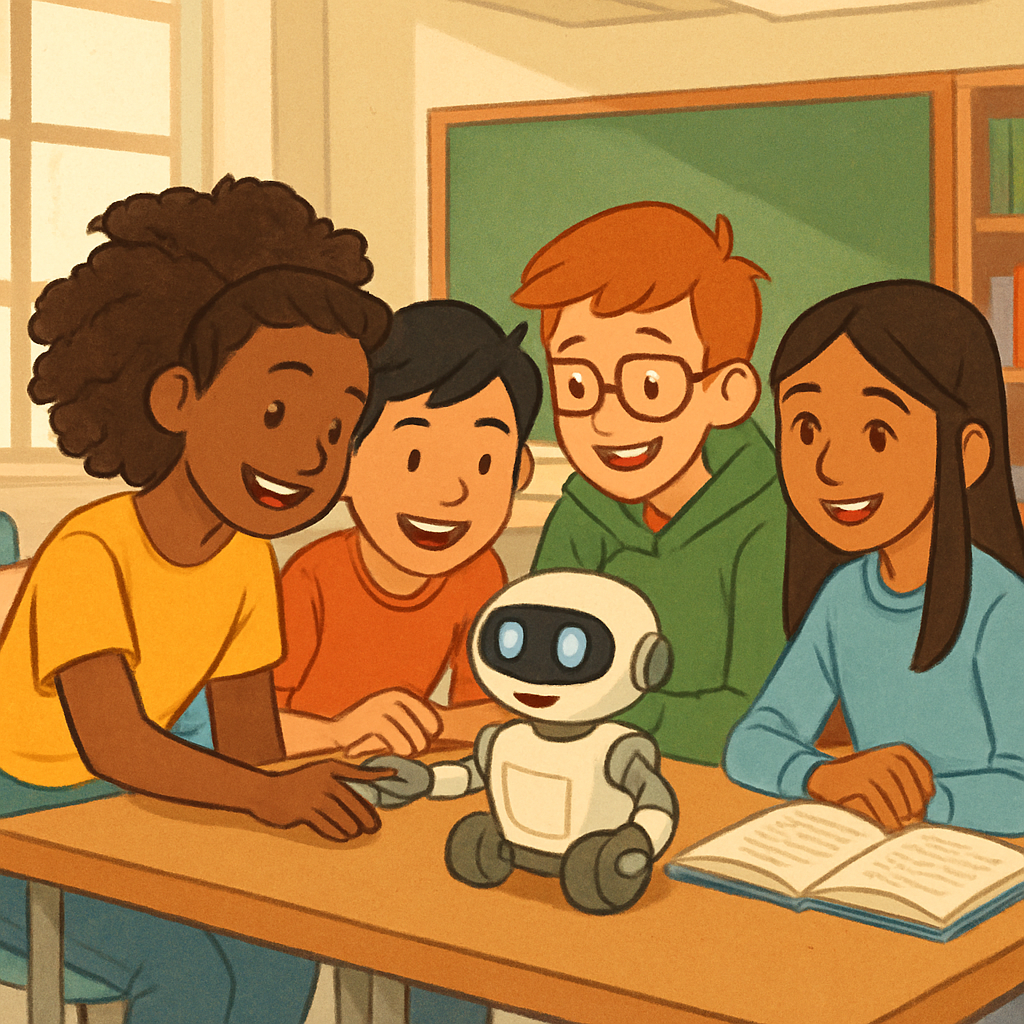
Who Is Funding the AI Revolution? Meet the ‘Big Three’ Federal Agencies
Walking into a modern classroom or job center feels much different than it did five years ago. To fund these technology updates, Washington uses a team approach called a Federal Inter-agency Solicitation. Think of this as the government’s shared to-do list, where different departments pool their resources to tackle massive goals like workforce readiness.
Because AI affects our society on every level, three major agencies manage these federal education grants:
- National Science Foundation (NSF): Focuses on large-scale discovery, managing massive NSF artificial intelligence education funding.
- Department of Education: Supports K-12 schools primarily through Department of Education computer science initiatives.
- Department of Labor: Pays for adult job training and community certificate programs.
These departments do not simply hand out blank checks; they award specific “project scholarships” to groups solving local problems. For example, the NSF recently dedicated hundreds of millions of dollars to build national learning networks. A local community college might win this funding to launch a specialized certificate program for future robotics mechanics.
Ultimately, this teamwork guarantees that everyone from young students to mid-career professionals receives support. Federal agencies collaborate to turn national strategies into practical, local opportunities that directly impact educational systems.
From Textbooks to Tools: How Grants Build AI Literacy in K-12 Classrooms
When you send your children to school today, you expect them to learn skills that match the modern workplace. Achieving this requires moving past traditional textbooks and investing in hands-on technology. Fortunately, new K-12 artificial intelligence federal funding opportunities are helping local districts purchase the software needed to turn everyday classrooms into interactive learning spaces.
This shift from abstract theory to active lab work means students are no longer just reading about the future; they are actively building it. Instead of passively watching videos about computers, teenagers are using grant-funded laptops to explore how algorithms make everyday decisions in apps they already use.
Upgrading equipment is only half the battle, as educators themselves need the right tools to guide these lessons. Because teaching a new subject is challenging, schools are relying heavily on funding for teacher AI professional development. This money ensures that your local teachers receive the specialized training they need to confidently bring these advanced tools into their daily lesson plans.
Knowing how to use software must ultimately be paired with understanding when it is appropriate to use it. That is why federal support for ethical AI curriculum development is so crucial, teaching students the responsibility and safety behind digital tools. Ensuring these critical safety lessons reach every neighborhood requires intentional funding designed to bridge existing technological gaps.
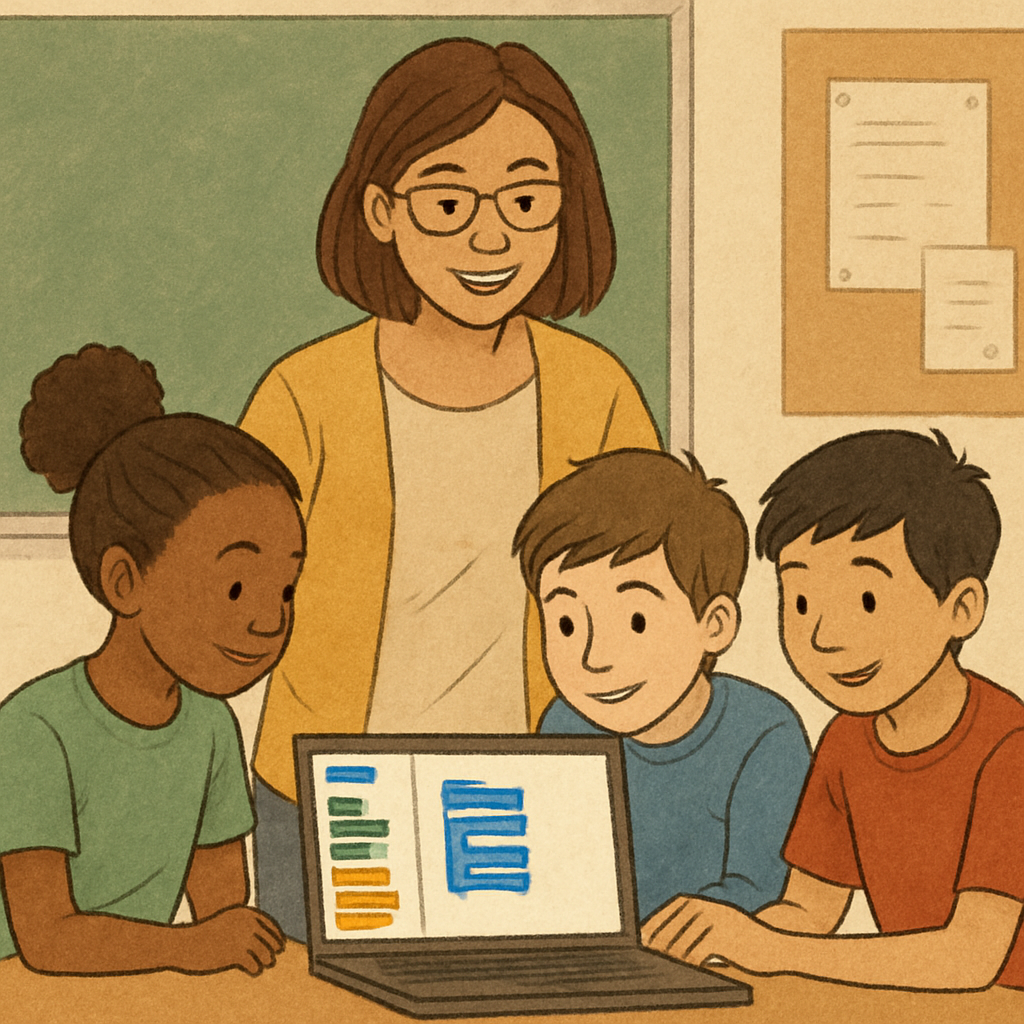
Bridging the Digital Divide: STEM Equity Through Machine Learning Grants
You already know about the digital divide—the frustrating gap between communities with high-speed devices and those struggling with outdated tech. Today, the government is prioritizing STEM equity, ensuring every student gets a fair shot at science and math careers. They are doing this by introducing machine learning—teaching computers to find patterns—into classrooms that normally cannot afford new technology.
Understanding how money arrives requires looking at state versus federal AI school funding. While local budgets cover daily basics, federal grants target massive community upgrades. For low-income districts, the benefits compare like this:
- State funding maintains standard curriculum and replaces broken equipment.
- Federal funding launches specialized tech programs and provides brand-new software.
Imagine a rural high school suddenly receiving the budget to build a modern lab. Bridging the digital divide with educational AI dollars means remote communities are no longer ignored. By utilizing STEM equity through machine learning grants, small-town students can finally practice the same digital skills as teenagers in wealthy suburbs.
Preparing youth for tomorrow is crucial, but learning shouldn’t stop at graduation. As automation reshapes local factories and offices, current employees rely on adult workforce grants to maintain their career momentum and navigate industry shifts.
The Professional Pivot: How Workforce Grants Help Adults Reskill for AI
Career changes feel daunting, but federal dollars ease the transition. Through future of work AI workforce training programs, the government funds “upskilling”—helping adults learn modern tools to stay competitive.
Community colleges act as main hubs for these opportunities. By combining adult grants with various types of federal funding for school AI labs, they host accessible AI training programs offering valuable AI certifications.
Discovering local classes is as simple as checking your nearby college catalog for newly funded tech initiatives.

Your Roadmap to Navigating the AI Funding Landscape
With federal dollars actively flowing into communities to transform everyday careers, finding these local opportunities starts by visiting your local school board or community college website. Scan their course announcements for new programs funded by education technology grants, and look closely for federal agency logos.
US government AI education grants prove this technology is accessible to everyone, not just computer scientists. Step into this changing job market with confidence, knowing the resources to help you build your future are already waiting right in your own backyard.