
You’ve just finished writing a great newsletter with the help of an AI tool, but your finger hesitates over the publish button. Should you tell your readers a robot helped you write it? There is a widespread rumor that admitting to using these tools will trigger an AI Disclosure Penalty, causing search engines to bury your website or platforms to hide your posts.
According to recent statements from Google’s own search liaisons, this fear is largely a myth. Think of AI like a microwave in a commercial kitchen—it is a fantastic tool for saving time, but a chef shouldn’t claim they slowly roasted a meal by hand. Algorithms do not automatically punish you just for using technology to brainstorm or draft.
Instead, the real danger is a social penalty rather than a technical one. Readers hate feeling tricked, and dodging a simple AI disclosure risks damaging their loyalty if they notice a slightly robotic tone. Embracing the transparency advantage actually keeps your audience comfortable and protects your reputation over time.
Navigating consumer protection laws and changing internet rules does not have to be stressful. By understanding exactly how platforms view artificial intelligence in 2024, you can confidently hit publish while building audience trust through content transparency.
The Real Cost of Stealth AI: Distinguishing Between Social Distrust and Algorithmic Suppression
Imagine hitting publish on an AI-generated blog post, secretly hoping nobody notices. The consequences of hiding synthetic media use—a practice often called “Stealth AI”—usually start with a subtle loss of reader trust rather than a sudden technical punishment. While you already know that invisible rules govern what appears on social media feeds, the real penalty happens when flesh-and-blood readers instinctively sense something is slightly “off” about your writing.
Instead of a direct platform ban, this reader discomfort triggers a chain reaction ending in algorithmic suppression for creator posts. Think of the algorithm as a highly observant waiter; if it sees people repeatedly pushing away a specific dish after one bite, it stops recommending that meal to new customers. When readers bounce away quickly from generic, robotic text, platforms assume the content is boring or low-quality and quietly push it to the bottom of the pile.
Readers act as the ultimate quality filter, detecting unlabelled artificial intelligence contributions through a few common red flags. They naturally spot the “uncanny valley” of robotic writing through three main giveaways:
- Repetitive phrasing
- Lack of personal anecdotes
- “Hallucinated” facts
Losing your audience’s trust and sinking in search results is a frustrating ordeal for any creator or business owner. However, organic demotion isn’t the only risk you face when you decide to keep your digital assistant a secret; hiding AI use also crosses into legal territory concerning consumer protection.
Staying on the Right Side of the Law: Why the FTC Cares if You Use AI
While a dip in reader trust is a frustrating setback, keeping your artificial intelligence tools a secret can actually cross the line from a social faux pas into a legal headache. The Federal Trade Commission (FTC) is currently watching how businesses use these tools, treating hidden AI content as a serious consumer protection issue. They view undisclosed robotic assistance in advertising or customer service as a breach of trust that falls straight under FTC guidelines on deceptive digital practices.
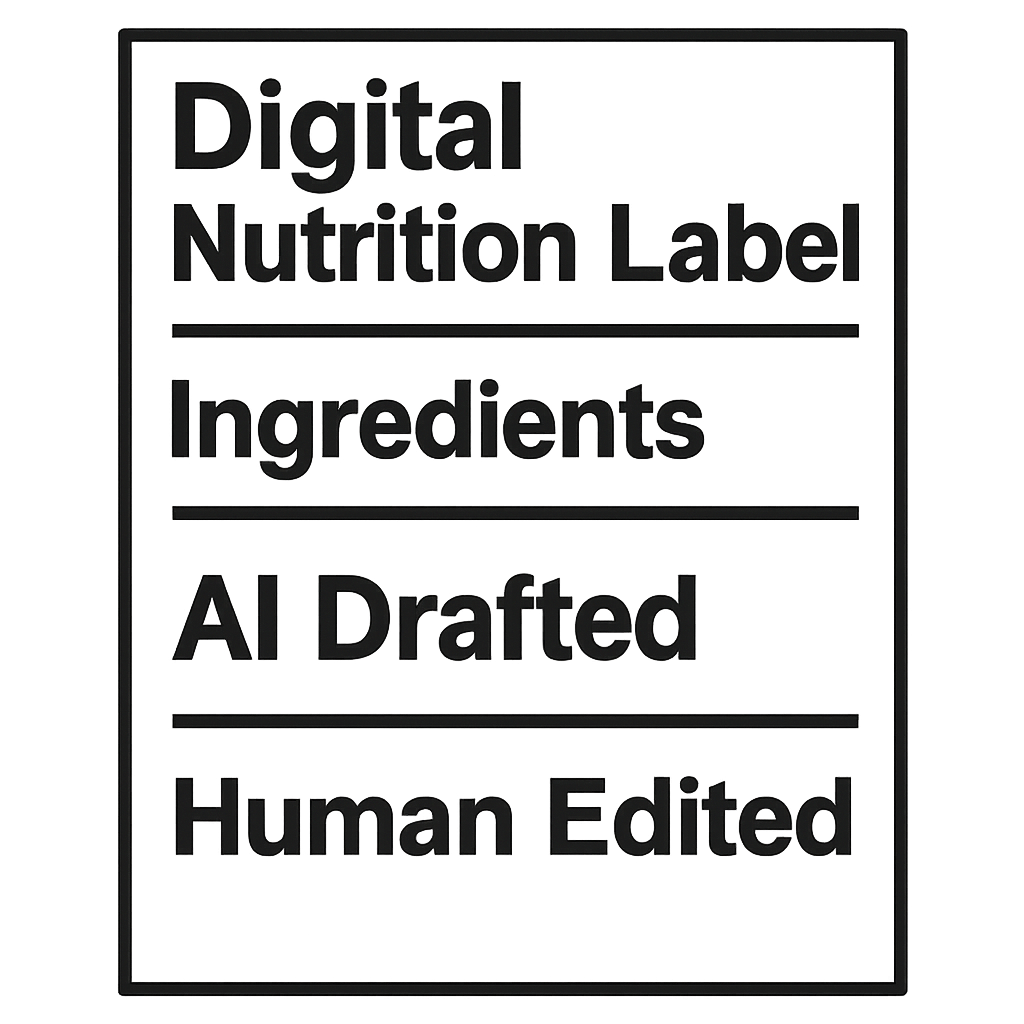
Digital transparency acts as a mandatory nutrition label for your online presence. When a customer reads a product review or interacts with a chatbot, they deserve to know what “ingredients” went into that interaction. Protecting your brand from claims of deceptive marketing simply means being upfront when a machine drafts your promotional newsletters or handles initial customer inquiries.
The stakes get even higher when you let software make choices that impact your customers, a process known as automated decision-making. If an invisible algorithm decides whether a client gets a refund or approves a service request without their knowledge, you are walking into a legal trap. Smart AI risk management requires telling your audience exactly when a robot is at the wheel, ensuring your business stays compliant with the latest AI regulation updates.
Ultimately, government watchdogs want honesty so nobody feels tricked. Beyond legal compliance, transparent, AI-assisted writing also needs to meet search engine quality standards to maintain organic visibility.
Mastering Google’s Spam Policies: How Quality Content Wins Over Unlabeled Synthetic Media
There is a widespread rumor that search engines automatically punish any text written by a machine. If you are wondering, “does undisclosed ai content affect ranking?”, the answer is actually about overall quality rather than a secret robot-detector. According to Google Search Essentials spam policies, platforms just want to filter out useless, repetitive spam, regardless of who—or what—wrote it.
To pass this quality filter, your writing must demonstrate E-E-A-T: Experience, Expertise, Authoritativeness, and Trustworthiness. While AI speeds up the drafting process, human expertise is required to make the content memorable and authoritative. Unedited, robotic drafts often lack the human touch that both automated algorithmic filtering and manual review processes demand before rewarding a page with high visibility.
Implementing a “Human-in-the-Loop” workflow prevents your website from being flagged as low-quality. This simply means a real person stays in control of the final message before it gets published. To safely guide your drafts, use this checklist for SEO-safe AI content:
- Add personal experience
- Fact-check every claim
- Ensure unique insights
Building a simple AI governance framework for your own website means setting basic rules on when to admit to using this robotic help. Understanding how to label ai generated content for seo is less about appeasing a search robot and more about proving your “Trustworthiness” (the ‘T’ in E-E-A-T) to your human readers. For completely synthetic media or highly automated news, search engines expect clear watermarks or labels so nobody feels misled.
Showing your readers what is authentic keeps their trust intact while natively satisfying search engine quality standards.
How to Label Your Work Like a Pro: Using C2PA Metadata and Social Media Tags
You’ve polished your blog post or edited your video, and you are finally ready to hit publish. Taking that final step can feel stressful when you aren’t sure how to properly declare the artificial intelligence you used to help create it. Proper disclosure clearly outlines the components of your final product, ensuring your audience knows exactly what they are consuming.
Behind the scenes, the tech industry is building invisible ways to track these components. Tools like Photoshop now automatically attach C2PA metadata standards for digital assets directly into your files, acting as a permanent digital fingerprint. While this sounds highly technical, you don’t need to code anything yourself; understanding the impact of synthetic watermarking on discoverability just means knowing that search engines can quietly read this fingerprint to verify how a file was made.
Moving from invisible fingerprints to visible tags, you also need to meet everyday social media platform disclosure requirements. Fulfilling these rules is usually as easy as tapping a button on your screen right before you post. Apps actually encourage this honesty because it keeps their communities safe from deceptive spam while letting creators experiment freely.
To protect your accounts from unnecessary penalties or strikes, use these platform-specific tagging steps when sharing your work:
- Toggle Instagram’s ‘Made with AI’ switch in your advanced post settings.
- Turn on TikTok’s disclosure labels before finalizing your video upload.
- Check YouTube’s synthetic media disclosure box when uploading realistic, altered content.
Beyond automated buttons, writing a simple text disclaimer is one of the best practices for tagging generated imagery or writing. A friendly note saying, “I used AI tools to help outline this post,” proves you respect your readers’ right to know the truth. Building this honest habit naturally prepares you for future-proofing your AI content strategy.
The Transparency Advantage: A 3-Step Plan to Future-Proof Your AI Content Strategy
You no longer have to guess whether hitting “publish” on AI-assisted work will hurt your reputation. By focusing on quality over secrets, you now understand the real AI disclosure penalty is not an algorithmic punishment, but a loss of human connection. Smart AI risk management means taking control of how you present your digital tools.
Start protecting your hard work immediately with this 3-Step Compliance Roadmap:
- Evaluate: Assess your Human-AI ratio to ensure your unique voice leads the way.
- Tag: Apply official platform labels to play by the system’s rules.
- Disclose: Communicate directly with your readers about how you use technology.
Rather than treating honesty as a chore, use it to stand out. Building audience trust through content transparency transforms a simple disclaimer into a powerful branding asset. By proudly owning your process, you prove you are a modern creator who values authenticity—earning deeper loyalty from your readers in an increasingly automated world.