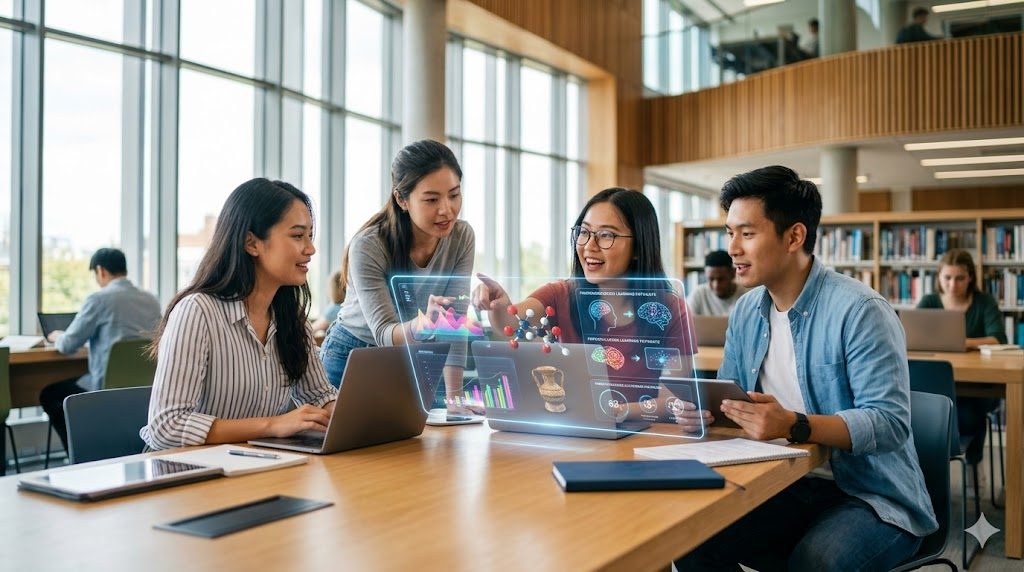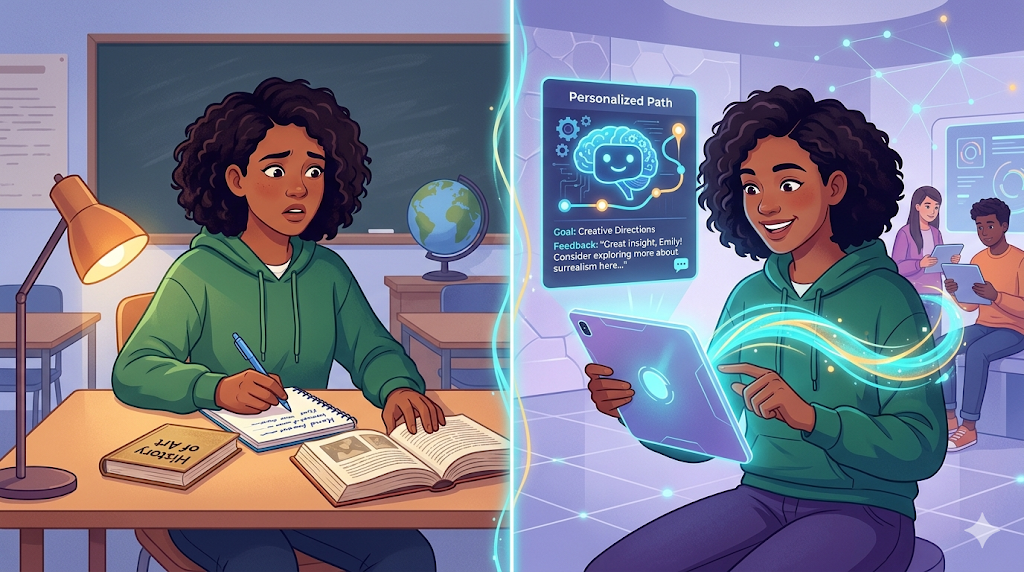
Remember the frustration of being stuck on a math problem at 9 PM with no one to ask for help? Traditional classrooms rely on a rigid “one-size-fits-all” model, forcing every student to progress at the exact same pace regardless of their individual understanding. According to recent national education surveys, this lack of personalization remains a leading cause of student disengagement and burnout today.
Educational technology now acts less like a static textbook and more like a smart GPS. Rather than running a fixed bus route for an entire class, modern systems generate “Adaptive Learning Paths”—digital tutors that automatically adjust lesson difficulty and provide hints based on a student’s real-time answers.
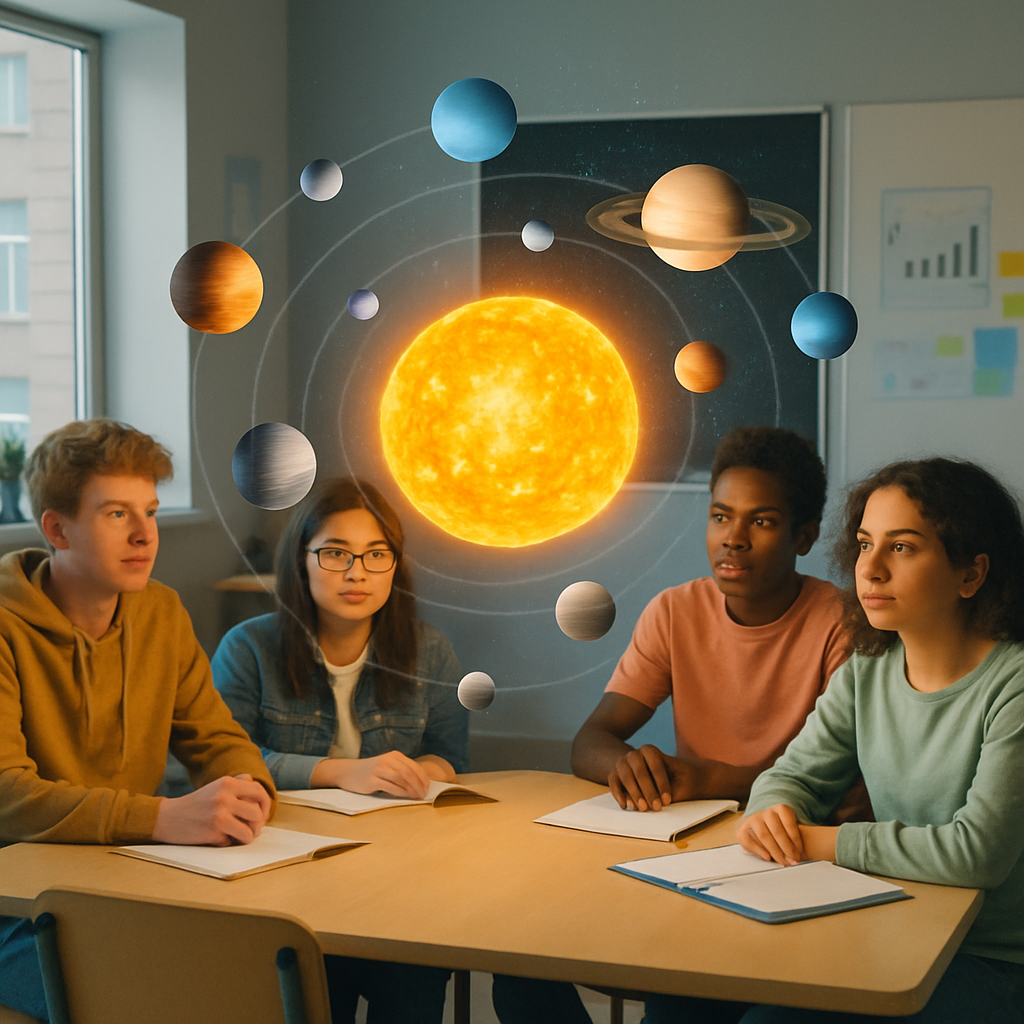
Understanding how AI is transforming the complete education system requires distinguishing between two underlying mechanisms. Predictive AI analyzes historical grades to guess a student’s future performance, whereas generative AI actively creates new material, instantly writing personalized explanations or summarizing long history chapters on demand.
Viewing AI in education as a mere cheating shortcut completely misses the bigger picture. These supportive digital assistants actively reshape the daily student experience, drastically reduce overwhelming teacher workloads, and introduce unprecedented systemic equity to underfunded districts.
Your New AI Tutor Never Gets Tired: The Rise of Personalized Learning
Many students have experienced the frustration of being hopelessly lost while the teacher moved on, or feeling incredibly bored waiting for others to catch up. We know students learn at different speeds, yet traditional schooling operates like a bus route where everyone must hit the same stops simultaneously.
That dynamic is changing thanks to personalized learning algorithms—digital tutors that adjust question difficulty based on a student’s answers. Instead of relying on generic worksheets, the software monitors performance to keep learners in a “Goldilocks zone” where material is challenging enough to engage them, but never so hard they simply give up.
The everyday benefits of personalized learning algorithms become remarkably clear when supporting different needs:
- Fast learners receive advanced challenges rather than repetitive busywork.
- Struggling learners get targeted practice on foundational concepts automatically.
- English language learners receive instant vocabulary help without pausing the lesson for everyone else.
Waiting weeks for graded tests to reveal a critical misunderstanding is no longer necessary. By utilizing real-time feedback loops for remote students and in-class peers alike, these tools identify learning gaps instantly. This creates a 24/7 safety net that levels the playing field for families who cannot afford expensive private tutors.
Ultimately, adaptive learning platforms for diverse learners are not designed to replace human educators. By taking over the tedious daily task of drilling basic concepts and grading practice problems, this technology directly paves the way for freeing teachers from the ‘paperwork prison.’
Freeing Teachers from the ‘Paperwork Prison’
Most people picture educators standing at a whiteboard, but the hidden reality involves hours of evening paperwork. By automating administrative tasks for educators—like drafting parent emails, generating lesson plan outlines, and organizing attendance data—AI acts as a highly efficient teaching assistant. This behind-the-scenes support directly combats the crushing workload driving modern teacher burnout.
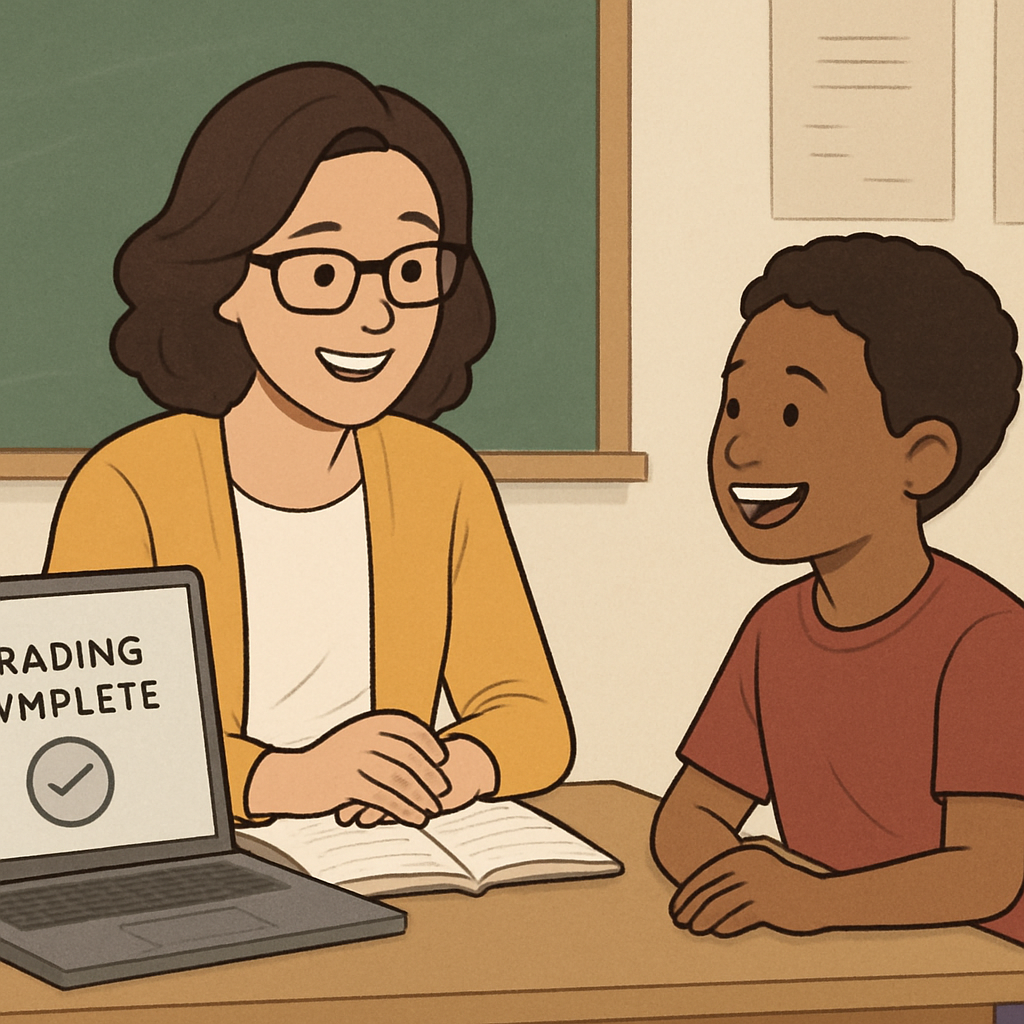
Focusing on the heaviest burden, parents often ask: how does machine learning improve grading efficiency? The secret is rapid pattern recognition. AI systems instantly scan standard quizzes and math equations to identify exactly where an entire class struggled. Instead of tallying scores manually, teachers receive instant, summarized reports highlighting specific student knowledge gaps.
This speed naturally leads to an anxious question: will artificial intelligence replace human teachers? The answer is no, because we must distinguish between processing scores and providing qualitative feedback. While software efficiently calculates points and flags basic errors, human educators deliver the nuanced, empathetic critique necessary to truly nurture a student’s critical thinking.
Reclaiming these lost hours completely transforms the classroom dynamic. Free from the paperwork prison, teachers can dedicate their energy to sitting side-by-side with students for meaningful mentorship. This renewed focus on personal connection provides the exact foundation needed when breaking barriers: from language learning to special education.
Breaking Barriers: From Language Learning to Special Education
Imagine trying to learn biology in a language you barely speak. Artificial intelligence removes this hurdle using Natural Language Processing (NLP)—software that comprehends and translates human speech instantly. By utilizing natural language processing for language learning, digital tutors seamlessly convert complex lessons into a student’s native tongue, letting them master subjects while building vocabulary.
Beyond translation, these systems serve as vital assistive technology for special education students. For instance, dynamic speech-to-text applications allow deaf students to read classroom lectures live on their devices. Simultaneously, smart reading assistants support dyslexic children by automatically adjusting font spacing and highlighting syllables on the fly.
Catching academic struggles before they become frustrations represents another massive breakthrough. Schools are now bridging educational achievement gaps with predictive analytics, which functions like an early warning radar. By analyzing subtle interactions with digital assignments, software spots the earliest patterns of learning disabilities, alerting educators long before traditional testing.
While this personalized support feels magical, it requires collecting highly sensitive data about how a child’s mind works. Before fully embracing these accessible tools, society must address the complicated realities they introduce into our schools, particularly the issues of privacy, bias, and the digital divide.
The ‘Hidden’ Risks: Privacy, Bias, and the Digital Divide
You might assume machines grade fairly, but AI acts like a mirror. Because it learns from old data, if historical grading favored specific writing styles, the software simply reflects and magnifies those unfair patterns. Achieving algorithmic fairness means constantly auditing these tools so they don’t penalize students for cultural differences or unique ways of expression.
Protecting student profiles is equally critical. The ethical implications of data privacy in edtech are massive since adaptive systems track every click and hesitation. While laws like FERPA guard academic records, parents should proactively ask schools four questions:
- What specific student data does the AI collect?
- Who owns this information after the school year ends?
- Can third-party vendors sell my child’s learning profile?
- How do we opt out of predictive tracking?
A broader societal hurdle is the gap between well-funded and under-resourced communities. If only wealthy districts can afford premium digital tutors, the educational achievement gap will explode. Addressing digital divide in AI-powered schools requires immediate community action to ensure all public classrooms receive equitable software licenses and reliable internet access.
Reading AI in education policy news today reveals that lawmakers are scrambling to catch up with these rapid shifts. Fortunately, you don’t have to wait for new legislation to protect and empower your family for what comes next.
Your Action Plan for the AI Era: How to Stay Ahead
Education is moving away from simple memorization toward a vital focus on critical thinking. Recognizing how implementing generative AI in curriculum design creates personalized, adaptable experiences allows these programs to function as supportive guides rather than intimidating replacements.
When evaluating new learning apps, utilize a simple three-step mental check: ensure the tool requires active problem-solving, verifies data privacy, and builds foundational knowledge rather than simply providing the final answer. Even as schools measure the positive AI impact on student engagement metrics, human soft skills like empathy, ethics, and creativity become significantly more valuable to cultivate at home.
To navigate future changes confidently, look for reliable news on AI in education policy through dedicated educational nonprofits or technology-focused school portals instead of generalized social media feeds. This habit reinforces the reality that these programs are simply sophisticated tools designed to elevate potential, not substitute the warmth of an actual teacher.
Testing a basic AI tutor on a simple topic you want to understand better can demonstrate its real-world capabilities. Technology will inevitably advance, but it will never replace the profound, enduring human desire to learn.