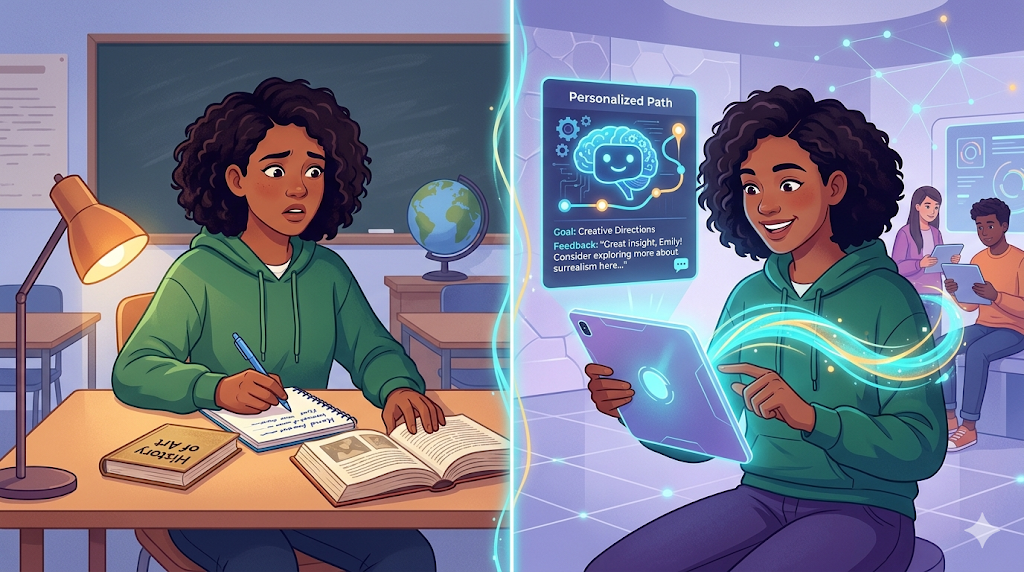

You likely used artificial intelligence three times before finishing your morning coffee—from unlocking your smartphone to following traffic map detours. Despite Hollywood movies featuring sentient robots, everyday AI is far less dramatic. According to software educators, modern programs don’t actually “think” or feel; they simply act as very fast students looking for useful patterns.
Accepting this reality is the best strategy for overcoming fear of artificial intelligence at work. Industry data reveals professionals aren’t being replaced by magic machines but are instead gaining massive advantages by directing these tools. Picture a tireless assistant who has read every manual in the world, just waiting for your instructions.
Surprisingly, everyday people are the most important users shaping this technology right now. Developers need regular folks solving practical problems to make their software valuable, making accessible AI for beginners a major industry priority. You never need a computer science degree to use these systems effectively.
Building basic literacy instantly replaces tech-anxiety with practical empowerment. Exploring a free online introduction to artificial intelligence for non-experts offers a stress-free roadmap to finally mastering the helpful technology hiding right inside your pocket.
Is it Magic or Just Math? How AI Learns Patterns Like a Human Student
Have you ever wondered how your phone automatically finds photos of your dog? Traditional software relies on an algorithm—a strict, step-by-step recipe for the computer to follow. Since dogs come in all shapes and sizes, writing a rigid rule for every possible floppy ear is impossible, which is why artificial intelligence uses a different approach.
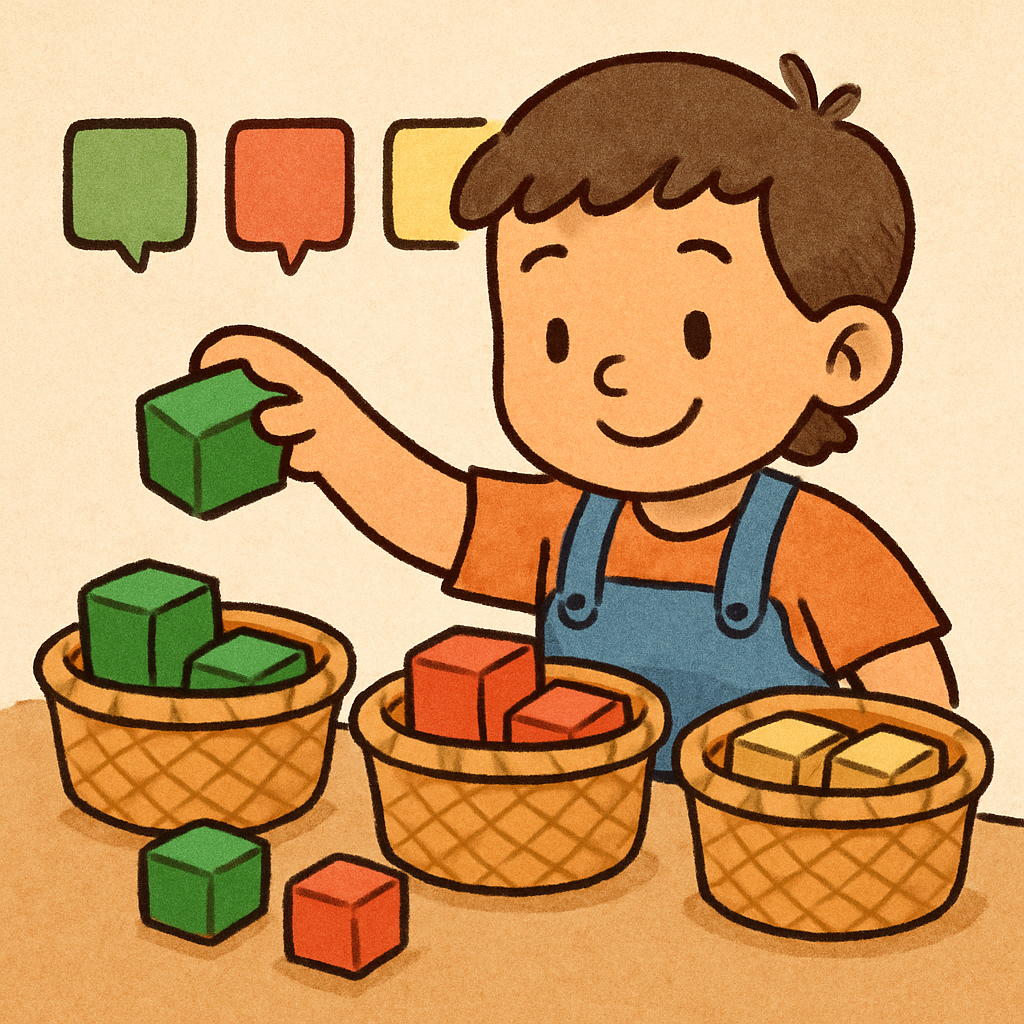
Machine learning basics for beginners rely on patterns found in a massive digital textbook called training data. Show a computer thousands of cat photos, and it learns to spot them in three steps:
- Pixels: Scanning raw dots of color.
- Edges: Grouping those dots into basic outlines.
- Features: Recognizing specific parts like pointy ears or whiskers.
This complex pattern matching happens inside a neural network, which operates much like a giant postal sorting office. Information enters the system, passes through several layers of digital workers who each check one specific detail, and a final choice pops out at the end, making demystifying neural networks for beginners quite straightforward.
Ultimately, how AI works explained simply comes down to predicting the most likely answer based on past examples rather than actually thinking or feeling.
From Chatbots to Predictions: Understanding Generative AI vs. Predictive AI
Overwhelmed by a long work email, or trying to estimate next month’s household budget? These everyday tasks require different tools, highlighting the core difference between generative AI vs predictive AI. Predictive AI looks at historical data—like past grocery bills—to forecast future costs. It simply analyzes what has already happened to guess what comes next, making it perfect for spotting numerical trends.
When you need to create something new, you step into the world of generative AI. Think of this technology like a master chef who has read every recipe in the world. You tell it what ingredients you have, and it predicts what the finished meal should look like. Generative AI for everyday use does not pull ideas from thin air, but creatively recombines patterns it has studied.
This identical logic powers Large Language Models (LLMs)—text-based tools like ChatGPT. Instead of actually thinking, an LLM simply calculates the most likely next word in a sentence. Grasping this simple trick makes tackling AI vs machine learning for laypeople much less intimidating.
AI in Your Pocket: Everyday Examples that Prove You’re Already an AI User
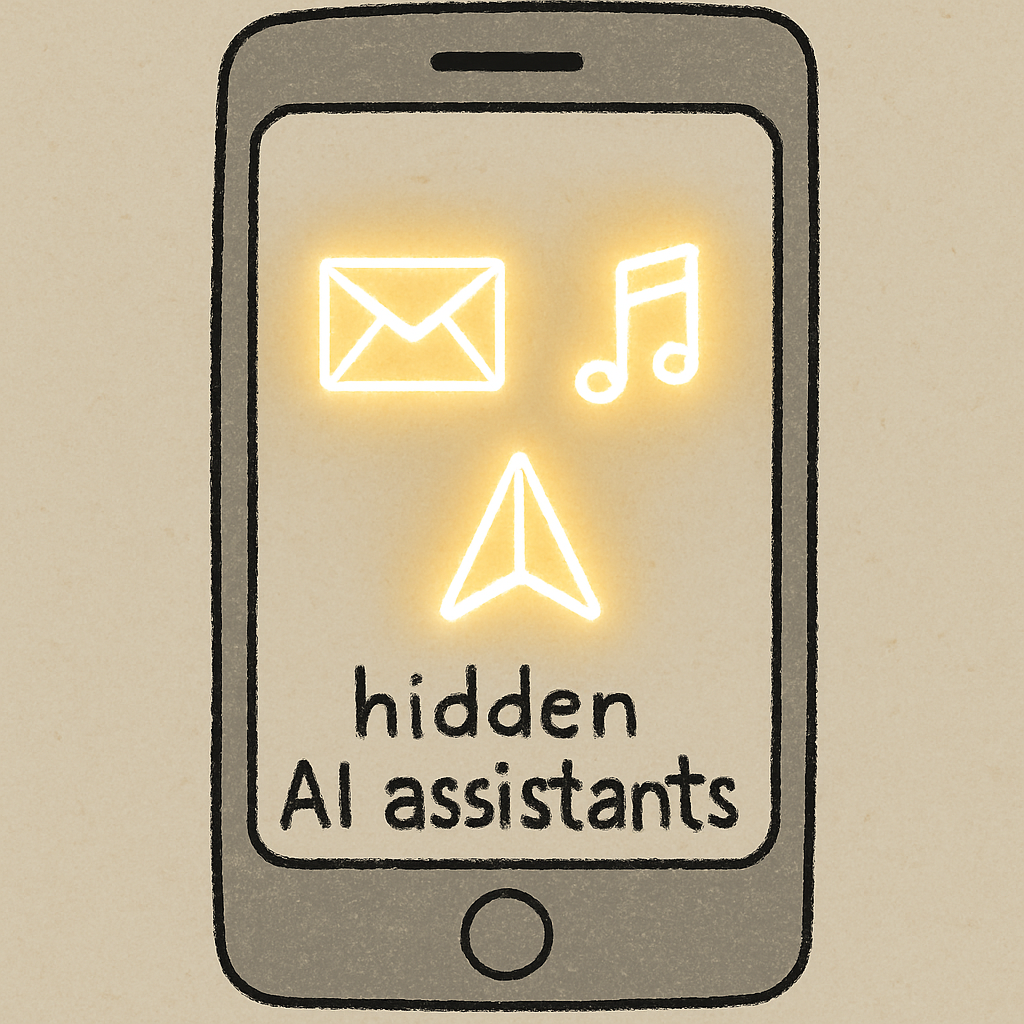
The reality is that this technology has been quietly operating inside your pocket for years.
[IMAGE: A simple drawing of a smartphone with glowing icons for ‘Email,’ ‘Music,’ and ‘Navigation’ representing hidden AI assistants.]
To see how completely normal this is, just look at these real-world examples of AI in daily life:
- Face ID: Biometric AI maps your unique physical features to securely unlock your screen.
- Maps: Navigation tools calculate current traffic speeds to instantly route you around delays.
- Netflix Recommendations: A recommendation engine spots patterns in your past movie choices to suggest your next favorite show.
- Email Filters: Automated filtering scans for suspicious words to hide spam from your inbox.
Realizing how these familiar tools work proves you already have the foundation needed to understand modern technology. Taking a free online introduction to artificial intelligence simply connects the dots between the apps you use today and the skills you will need tomorrow.
Future-Proofing Your Career: Why AI Literacy is the New Digital Essential
Many people worry about artificial intelligence taking jobs, but the reality is much more like gaining a tireless assistant. We are entering the era of the “AI Co-pilot,” a digital helper that speeds up routine tasks. This shift highlights the immense benefits of AI literacy in the workplace. Office administrators use these tools to draft schedules, creative professionals use them to brainstorm concepts, and sales representatives use them to easily organize client notes.
Getting good results doesn’t require knowing how to write computer code. Instead, success relies on “prompt engineering,” which simply means learning how to give the software clear, specific instructions. Mastering this everyday communication skill opens up incredible career opportunities for non-programmers in AI.
Because these systems predict patterns rather than actually thinking, they constantly need your judgment. This built-in safety net is called the “human-in-the-loop” approach, where a real person reviews and approves the final work. Showcasing this essential oversight ability is the smartest way to frame modern tech skills on your resume.
Preparing to use these powerful digital assistants at work requires knowing exactly where they might make mistakes.
The Fair Play Guide: Understanding Bias and Ethics Without the Jargon
Wondering what the ethical implications of AI are? It helps to know these tools are word predictors, not perfect encyclopedias of facts. Because they process massive amounts of human-written text, they accidentally absorb human prejudices hidden in that training data. For example, if a program only reads older stories where executives are men, it simply predicts those exact stereotypes.
This limitation creates “hallucinations,” which occur when the software invents false information just to give you a complete answer. You must always apply a “verify then trust” workflow to the output by watching for these three signs:
- False citations: Making up fake books or website links.
- Overly confident wrong answers: Stating incorrect facts boldly.
- Circular logic: Repeating the same point without offering proof.
Properly supervising this digital intern ensures safe and accurate results.
Your No-Cost Learning Path: The Best Free AI Courses for Total Beginners
Ready to build your skills without spending a dime? The secret is MOOCs (Massive Open Online Courses)—simply free, high-quality internet classes provided by reputable top universities. Finding the best free AI courses for non-technical people only requires your curiosity and an internet connection.
[IMAGE: A cozy workspace with a laptop showing a ‘Course Complete’ badge next to a cup of coffee.]
When finishing a free ai course, you often earn a “digital badge,” which is a verifiable web icon you can share online to prove your new skills. Note that a basic “certificate of completion” just means you watched the videos, while a “professional certification” requires passing a formal exam. Three great introductory options include:
- Elements of AI: Best for understanding the broad theory.
- Google AI for Everyone: Great for practical, everyday business uses.
- Microsoft AI Fundamentals: Ideal for exploring specific software tools.
Picking the right program simply depends on your weekly schedule and specific time availability.

Stop Overthinking and Start Learning: Your 3-Step Plan to AI Literacy Today
Because of simplified natural language processing, commanding these systems requires clear instructions rather than programming knowledge. To turn this confidence into everyday tool-competence, follow this 24-hour AI action plan:
- Register: Commit to the first module of a free online introduction to artificial intelligence for non-experts today.
- Prompt: Dedicate a 15-minute tinkering session to safely break the ice with an AI tool.
- Reflect: Set one realistic AI literacy goal that involves absolutely no coding.
Remember, AI is not taking over the kitchen; it is merely a digital sous-chef waiting for your ingredients. Each time you practice guiding it, you build the practical skills needed to easily navigate our changing digital world.