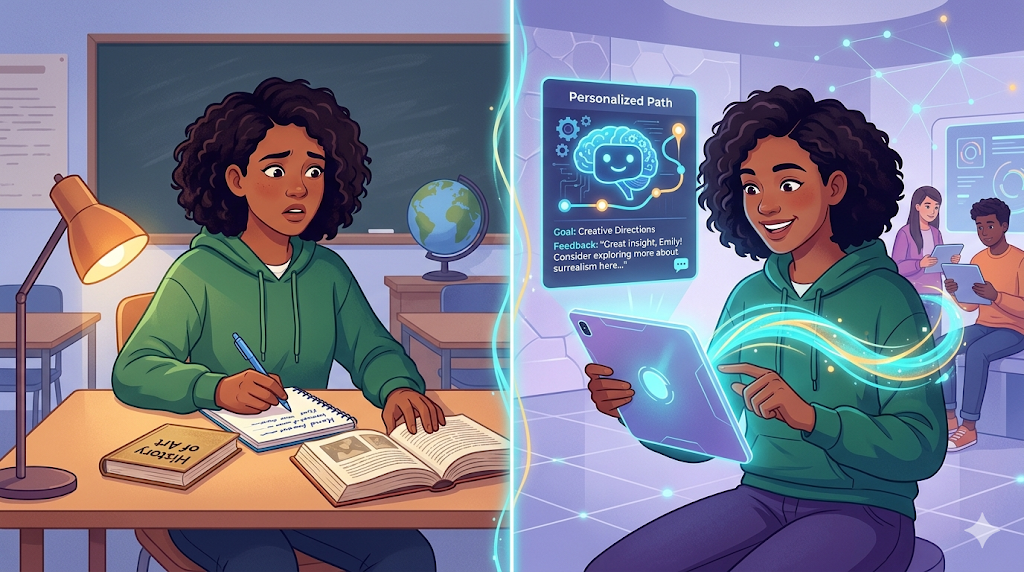
AI literacy is becoming a key focus in schools worldwide. This trend is reshaping how students learn and prepare for the future.
Understanding AI is now part of digital literacy, essential for navigating our tech-driven world. Schools are integrating AI training into their curricula to equip students with vital skills.
Educators are also receiving training to effectively teach AI concepts. This ensures that students not only learn about AI but also understand its implications.
AI literacy helps students develop critical thinking and problem-solving skills. It prepares them for careers in technology, science, and engineering.
As AI continues to influence various industries, the demand for AI skills grows. Schools are responding by fostering a culture of innovation and adaptability among students.

The Rise of AI Literacy in Schools
AI literacy has seen significant growth in educational settings. More schools recognize its importance for students’ futures.
This rise is part of a broader trend toward integrating technology with education. AI literacy is now seen as essential, much like reading or math.
Many schools are expanding their digital literacy programs to include AI. By doing this, they ensure students gain a comprehensive understanding of current technologies.
Various factors contribute to this trend, including:
- The rapid evolution of AI technologies.
- Increased demand for AI skills in the workforce.
- The role of AI in everyday life and its impact on society.
Governments and private sectors are also supporting AI literacy initiatives. These collaborations provide schools with resources and expertise necessary for effective implementation.
Moreover, schools are forming partnerships with tech companies to access cutting-edge AI tools. This access enhances the teaching and learning experience for students and educators alike.
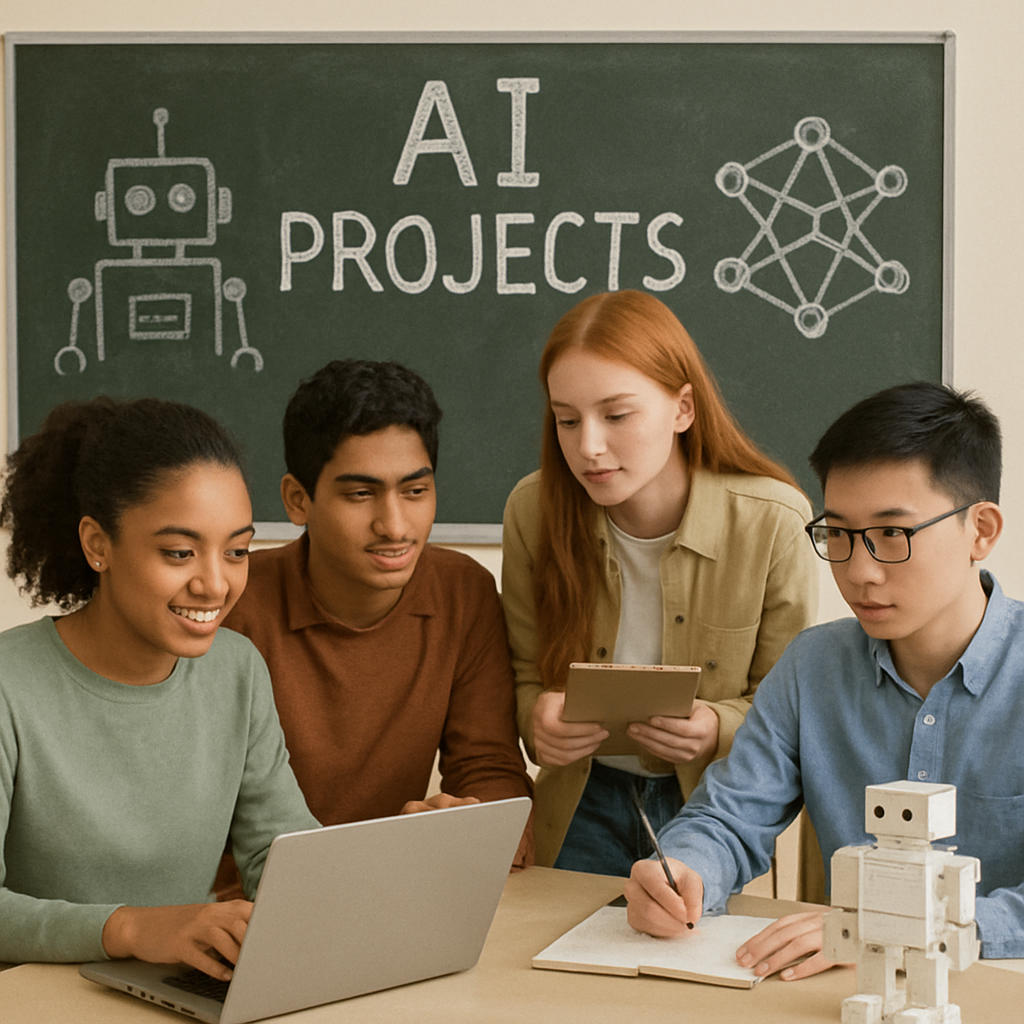
By creating AI labs and clubs, schools offer hands-on learning opportunities. Students engage directly with AI, fostering creativity and innovation.
Furthermore, AI literacy efforts are helping reduce the digital divide. They promote equal learning opportunities for all students, regardless of background.
With these changes, students are better prepared for a future dominated by technology. It’s clear that AI literacy is becoming a staple in modern education systems.
Why AI Literacy Matters for Students
AI literacy is crucial in preparing students for the future job market. As industries evolve, AI skills become more in demand.
Understanding AI goes beyond technical skills. It helps students develop critical thinking and problem-solving abilities essential for any career.
Students educated in AI concepts can navigate a technology-driven world more effectively. They are better equipped to make informed decisions in a digital era.
AI literacy also enhances students’ understanding of ethical considerations. Knowing how AI impacts privacy and security fosters responsible tech use.
Key benefits of AI literacy for students include:
- Improved problem-solving skills.
- Enhanced critical thinking capabilities.
- Greater understanding of technology’s societal impacts.
- Increased awareness of data privacy and security issues.
Moreover, AI education encourages creativity. Students learn to innovate and explore new technological applications, cultivating a culture of entrepreneurship.
AI literacy is significant in promoting lifelong learning. Students adapt to technological advancements, remaining competitive in a rapidly changing world.
Additionally, it prepares students for diverse career opportunities in science, technology, and engineering fields. AI skills are transferable across various industries.
In conclusion, AI literacy empowers students. It equips them with the tools needed to thrive in an increasingly digital society.
Integrating AI Training into the Curriculum
Schools are increasingly embedding AI training into their curricula to meet future needs. This shift ensures students gain relevant skills for the digital world.
AI topics are included in subjects like math, science, and computer studies. Teachers integrate AI concepts to make learning more applicable and interesting.
AI curricula focus on areas such as machine learning, data analysis, and coding. Students are encouraged to understand AI algorithms and their real-world uses.
List of key areas in AI curricula:
- Machine learning principles.
- Basics of coding and programming.
- Data analysis techniques.
- Ethical use of AI technologies.

Teachers are provided with resources and training to effectively deliver AI content. This support is crucial for fostering an environment conducive to AI literacy.
AI labs and clubs are set up in schools to provide hands-on learning opportunities. Students engage in projects and hackathons, applying their skills creatively.
This practical approach helps demystify AI and build confidence among learners. As a result, students learn to collaborate and innovate, preparing for future challenges.
Integrating AI training into education is more than a trend. It is a strategic move to align learning with industry needs and technological advancements. Schools that embrace this shift are setting the stage for student success in tomorrow’s workforce.
The Role of Digital Literacy in Modern Education
Digital literacy forms the backbone of today’s education, bridging traditional learning with technology. It empowers students by providing essential skills for digital navigation.
Incorporating digital literacy in schools involves teaching students how to use various technologies effectively. This includes understanding the basics of internet safety and data privacy.
Digital literacy goes beyond just using devices; it encompasses creating and sharing content responsibly. Students learn to evaluate online information critically and understand its implications.
Key components of digital literacy include:
- Safe and responsible use of technology.
- Effective communication through digital platforms.
- Understanding and managing digital information.
- Awareness of digital footprints and their impact.
Digital literacy nurtures adaptable learners who can thrive in a tech-centric world. It encourages students to approach technology with curiosity and confidence.
With the rapid evolution of technology, digital literacy is more relevant than ever. Schools must continuously adapt their strategies to incorporate these essential skills.
A strong foundation in digital literacy helps students become informed digital citizens. This understanding prepares them for both personal and professional success in a connected world.
Preparing Educators for AI Teaching
As schools embrace AI literacy, educators need the right tools and knowledge to teach it effectively. The shift requires targeted training to equip teachers with AI concepts and applications.
Professional development programs are crucial in this transformation. These programs focus on understanding AI technologies and integrating them into existing curricula. By doing so, teachers can guide students through the complexities of AI.
Teachers must also stay updated with technological advancements. This requires ongoing learning and networking with AI experts. Collaborating with tech companies and attending workshops can enhance their capabilities.
Key aspects of AI teacher training include:
- Familiarity with AI technologies and tools.
- Strategies for integrating AI into lessons.
- Understanding ethical considerations in AI.
- Techniques to foster critical thinking and problem-solving skills related to AI.
Supporting educators to adapt to AI teaching benefits students and strengthens the education system. With proper training, educators become instrumental in nurturing the next generation of AI-literate students. They play a pivotal role in preparing students for future opportunities and challenges in a tech-driven world.
Real-World Applications: How Schools Use AI
AI is revolutionizing the way schools operate, enhancing both learning and administration. By integrating AI, schools can offer personalized learning experiences tailored to individual student needs.
AI-powered tools help educators identify students’ strengths and weaknesses. This enables targeted support and more effective teaching strategies. Through AI, students benefit from adaptive learning platforms that adjust content to suit their pace.
In addition to academic assistance, AI streamlines administrative tasks. For example, automated systems manage scheduling, grading, and communication, freeing up educators to focus more on teaching. Schools use AI tools to improve efficiency and reduce workloads.
Some common real-world applications of AI in schools include:
- Personalized learning platforms.
- AI-driven tutoring systems.
- Automated grading software.
- Predictive analytics for student performance.
These applications not only support educational outcomes but also prepare students for future technologies. As AI becomes embedded in everyday life, understanding its applications in education helps students become informed citizens. Embracing AI in schools fosters an innovative learning environment that encourages curiosity and creativity. With AI integration, schools are better positioned to meet the demands of a rapidly evolving digital landscape.
Addressing Challenges and Ethical Considerations
As AI literacy in schools grows, so do the associated challenges and ethical concerns. Educators and administrators must navigate complex issues to ensure AI is used responsibly.
One primary concern is data privacy. Schools need to safeguard students’ personal information used by AI tools. There is also a need to address bias in AI algorithms, which can lead to unfair treatment or misrepresentation.
Educators must understand AI’s ethical implications to teach students its responsible use. Discussions around AI ethics should focus on fairness, accountability, and transparency. Schools should encourage critical thinking about AI’s societal impacts.
Here are some key ethical considerations:
- Data privacy and security.
- Bias and discrimination in AI algorithms.
- Transparency of AI processes.
- Accountability for AI-driven decisions.
Balancing technological advancement with ethical use requires careful planning and ongoing dialogue. Schools have the responsibility to educate students about the potential risks and benefits of AI. Fostering an ethical understanding in AI education ensures students become responsible digital citizens.
The Future of AI Literacy in Education
The future of AI literacy in schools holds promise for transformative education. As AI technology advances, integrating AI literacy into the curriculum becomes even more vital. Educators are poised to play a pivotal role in shaping how students engage with and understand technology.
Innovations like AI-driven platforms and virtual labs allow students to experiment and learn. These tools can provide interactive and immersive experiences that enhance traditional learning methods. Such advancements make learning more accessible and inclusive for students of all backgrounds.
In the years ahead, we’ll likely see schools adopting more diverse AI applications in education. This could include the development of curricula tailored to individual learning styles and needs. Potential future developments include:
- AI-enhanced personalization of student learning paths.
- More comprehensive AI ethics education.
- Collaborative AI tools that foster teamwork.
- Greater integration of AI into existing subjects.
Ensuring students are AI literate prepares them for a future where technology plays a crucial role in every profession. As AI continues to evolve, so will the opportunities for students to become innovative, ethical, and informed contributors to society.
Conclusion: Embracing AI for a Brighter Future
AI literacy is paving the way for a dynamic future in education. With the rise of technology, it’s essential for students to grasp AI concepts. Schools embracing AI prepare students for meaningful and impactful careers.
Integrating AI into learning transforms how educators engage students. It encourages critical and ethical thinking, preparing students for tomorrow’s challenges. This approach equips learners with the necessary skills for a tech-driven world.
By embedding AI literacy in curriculums, we foster a culture of innovation and adaptability. As students become versed in AI, they are better positioned to navigate and shape an evolving world. This will lead to promising opportunities and advancements across various fields.