The discourse surrounding artificial intelligence (AI) and human intelligence is not merely an academic exercise but forms the cornerstone of contemporary debates in technology, philosophy, and ethics. This dialogue invites us to explore the depths of cognition, the expansive capabilities of machine learning, and the sometimes-elusive boundaries of artificial intelligence itself. As we delve deeper into these contrasts, we uncover a panorama of insights about the essence of intelligence, both artificial and human.
Human intelligence is a multifaceted construct, encompassing a wide array of cognitive abilities. These include reasoning, problem-solving, emotional understanding, and creativity. Rooted in neural networks of the human brain, intelligence is shaped by both genetic predispositions and environmental factors. It is dynamic, adaptive, and deeply intertwined with consciousness and emotional experiences.
Cognitive Processes
Human intelligence involves complex cognitive processes that allow individuals to comprehend abstract concepts, engage in critical thinking, and apply logical reasoning. These processes are not only influenced by sensory perceptions but are also mediated by cultural, social, and emotional contexts.
Comprehending Abstract Concepts: Humans have the unique ability to understand abstract ideas, a capability that allows for the creation of theories, philosophies, and systems of thought. This abstraction enables humans to operate beyond the tangible and visible, delving into realms that are purely conceptual.
Engaging in Critical Thinking: Critical thinking involves the ability to analyze information objectively and make reasoned judgments. It is a skill that is honed over time, influenced by education, experience, and cognitive maturity, allowing for effective problem-solving and decision-making.
Applying Logical Reasoning: Logical reasoning forms the backbone of intelligent thought, enabling humans to deduce, infer, and reach conclusions based on given premises. This capability is crucial for disciplines like mathematics, science, and philosophy, where structured thought processes are essential.
Emotional and Social Intelligence
Unlike AI, human intelligence is inherently emotional and social. Emotional intelligence involves the ability to perceive, evaluate, and respond to one’s own emotions and those of others. Social intelligence, on the other hand, pertains to the capacity to navigate social environments, understanding social cues and interpersonal dynamics.
Perception of Emotions: Humans possess the ability to perceive and interpret a wide range of emotions. This perception is not just limited to recognizing emotions in oneself but extends to empathizing with others, fostering deeper social connections.
Evaluating Emotional Responses: Beyond mere perception, humans evaluate and react to emotions, which influences decision-making and behavior. This evaluation helps in managing relationships and maintaining social harmony.
Navigating Social Dynamics: Social intelligence equips individuals with the skills necessary to understand and influence social situations. It involves reading social cues, adapting to social contexts, and building networks, which are critical for personal and professional success.
The Essence of Artificial Intelligence
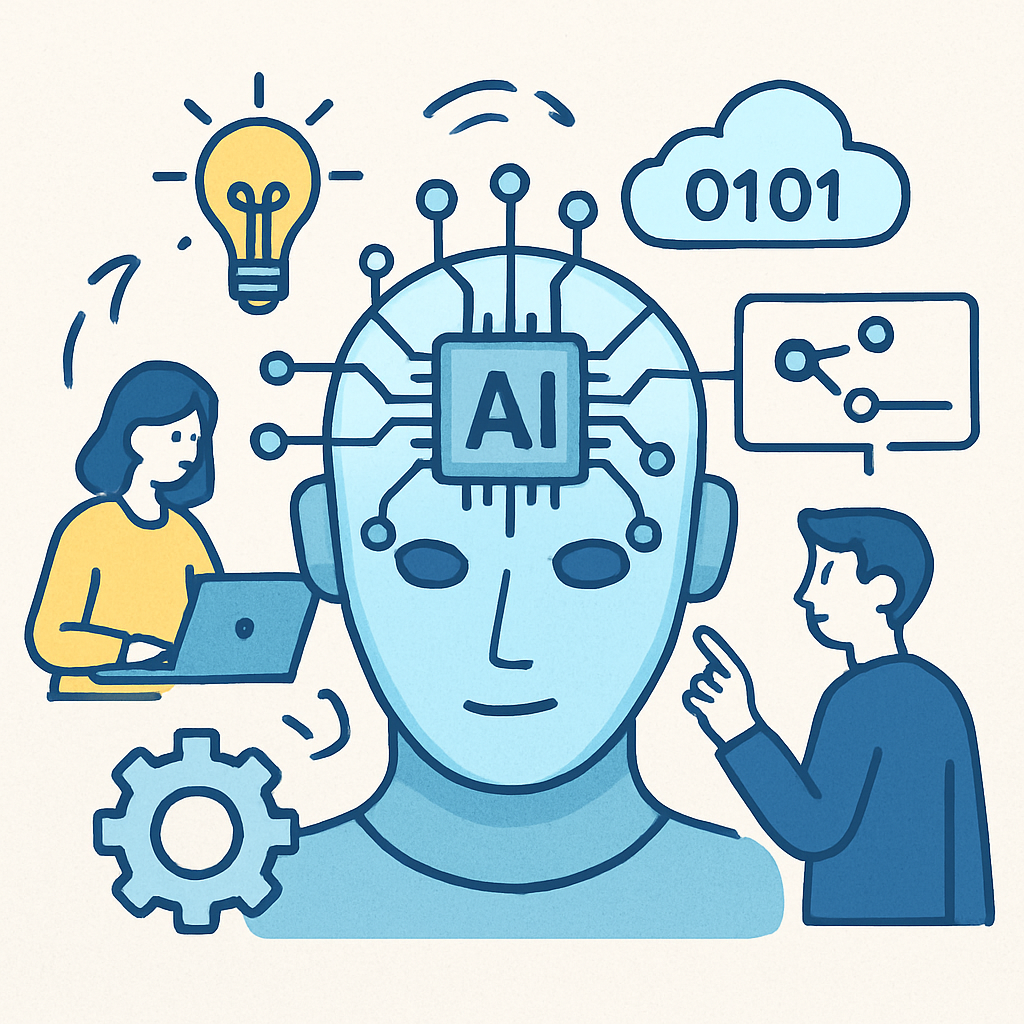
Artificial intelligence, particularly in its contemporary form, is a simulation of human cognitive processes by machines. AI systems are designed to perform tasks that typically require human intelligence, such as visual perception, speech recognition, decision-making, and language translation.
Machine Learning and Neural Networks
At the heart of AI lies machine learning, a subset of AI that empowers machines to learn from data inputs and improve over time without explicit programming. Neural networks, which mimic the architecture of the human brain, are pivotal in this learning process. They enable machines to identify patterns, make predictions, and refine algorithms autonomously.
Learning from Data Inputs: Machine learning allows AI systems to process vast amounts of data, identifying patterns and making informed decisions. This capability is central to applications like facial recognition, recommendation systems, and predictive analytics.
Neural Network Architecture: The structure of neural networks is inspired by the human brain, consisting of interconnected nodes or neurons. These networks facilitate deep learning, where machines can perform complex tasks by recognizing intricate data patterns.
Autonomous Algorithm Refinement: AI systems autonomously refine their algorithms as they learn from new data. This continual improvement cycle enhances their efficiency and accuracy, making them invaluable in dynamic environments.
Limitations and Potentials
While AI can process vast amounts of data with remarkable speed and accuracy, it lacks the intrinsic qualities of human intelligence, such as emotional depth and consciousness. AI operates based on pre-defined algorithms and lacks the ability to experience emotions or understand social intricacies inherently.
Speed and Accuracy in Data Processing: AI’s ability to analyze large datasets with speed and precision surpasses human capabilities. This makes AI indispensable in fields requiring rapid data processing, such as finance and healthcare.
Absence of Emotional and Conscious Depth: Unlike humans, AI lacks the ability to experience emotions or consciousness. This limitation restricts its application in areas where empathy and ethical judgment are crucial.
Dependence on Pre-Defined Algorithms: AI’s functionality is constrained by the algorithms it is programmed with. It requires human intervention to modify these algorithms, limiting its ability to adapt to unforeseen scenarios independently.
Comparing AI and Human Intelligence
The comparison between AI and human intelligence often hinges on several dimensions, including adaptability, creativity, and problem-solving.
Adaptability
Humans possess an unparalleled ability to adapt to novel situations by leveraging past experiences and emotional insights. AI, while capable of pattern recognition, relies heavily on the data it has been trained on and struggles with unforeseen scenarios that deviate from its programming.
Leveraging Past Experiences: Human adaptability is deeply rooted in the ability to learn from past experiences. This experiential learning enables individuals to navigate new challenges with resilience and foresight.
Emotional Insights in Adaptation: Emotions play a critical role in human adaptability, influencing motivation, decision-making, and interpersonal relationships. These insights are absent in AI, which operates purely on logic.
Limitations in AI’s Adaptability: AI’s adaptability is limited by its dependence on existing data. It struggles to cope with novel situations that fall outside its training parameters, necessitating human intervention for reprogramming.
Creativity and Innovation
Human creativity stems from the ability to imagine, innovate, and create art, music, and literature. This creative process is intricately linked to human emotions and consciousness. In contrast, AI can generate content based on existing data but lacks genuine creativity or the ability to innovate beyond its programming.
Imagination and Innovation in Humans: Human creativity is driven by imagination, allowing for the creation of novel ideas and artistic expressions. This imaginative capacity is fueled by emotions, experiences, and cultural contexts.
AI’s Content Generation Capabilities: While AI can produce content, it does so by analyzing existing data and patterns. Its outputs, although impressive, lack the originality and emotional depth inherent in human creativity.
The Boundaries of AI Innovation: AI’s innovation is limited to its programming constraints. It lacks the ability to think outside the box, a quality that is quintessentially human and vital for groundbreaking discoveries.
Problem-Solving
AI excels at solving well-defined problems with clear parameters, often surpassing human capabilities in tasks that involve large-scale data analysis. However, humans excel at solving ambiguous problems that require emotional intelligence, ethical considerations, and moral judgment.
Analytical Prowess of AI: In structured problem-solving scenarios, AI’s analytical capabilities are unmatched. It can quickly process data, identify solutions, and execute tasks with precision.
Human Excellence in Ambiguous Situations: Humans thrive in ambiguous scenarios, where emotional intelligence and ethical considerations guide decision-making. This ability to navigate complexity is a hallmark of human problem-solving.
Ethical and Moral Dimensions: Problem-solving often involves ethical and moral judgments, areas where AI falls short. Human intelligence integrates these dimensions into decision-making, ensuring holistic solutions.
Ethical and Philosophical Considerations
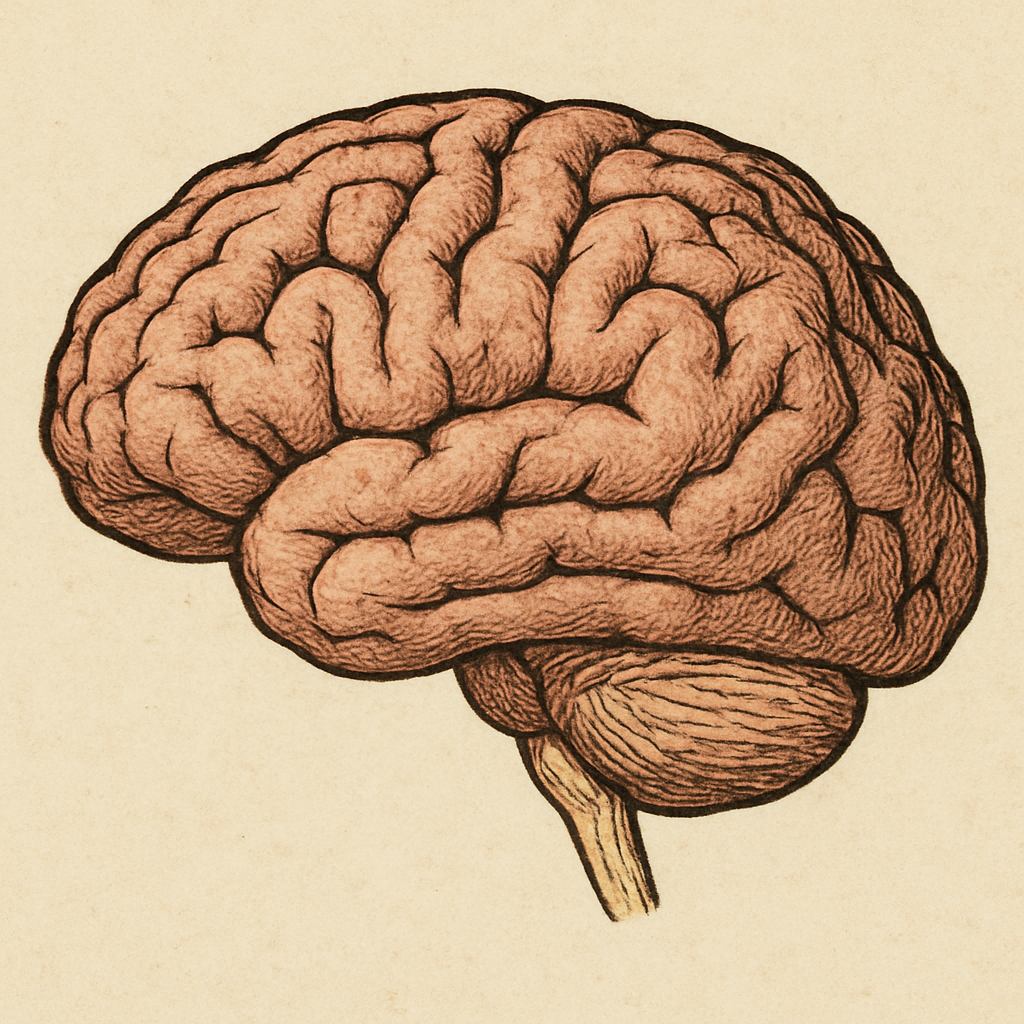
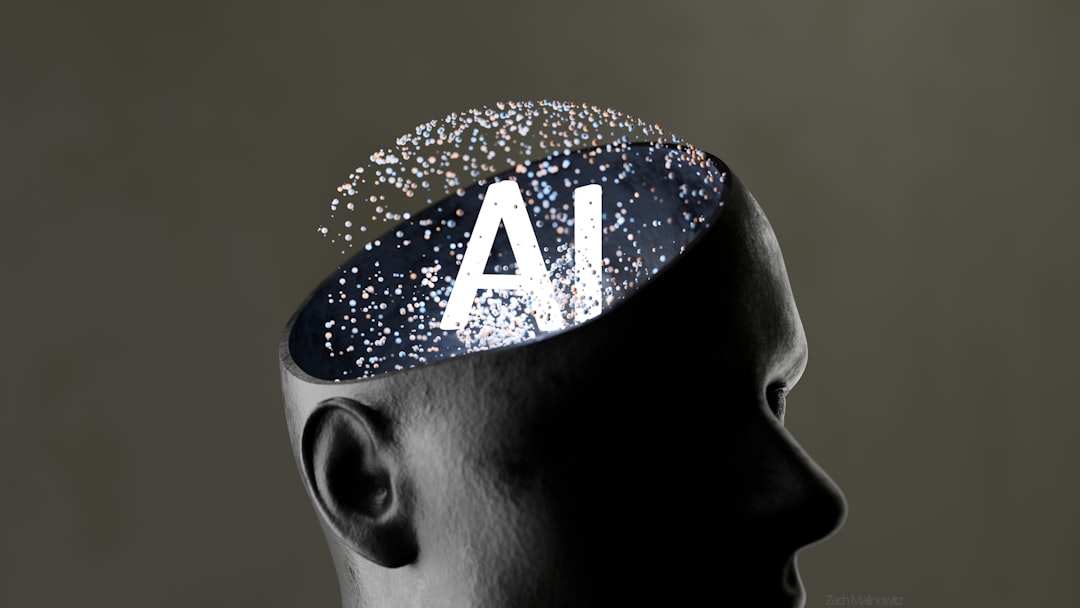
by Zach M (https://unsplash.com/@zachmmalin)
The rise of AI has sparked ethical debates about its impact on society. Questions regarding privacy, data security, and the potential for AI to replace human jobs are at the forefront of these discussions. Moreover, the philosophical implications of AI challenge our understanding of consciousness, free will, and what it means to be human.
Privacy and Security
AI systems often require access to vast amounts of personal data, raising concerns about privacy and data protection. Ensuring that AI technologies are developed and deployed responsibly is crucial to safeguarding individual rights and maintaining public trust.
Data Privacy Concerns: The collection and processing of personal data by AI systems pose significant privacy risks. Ensuring data protection and user consent is paramount to maintaining trust in AI applications.
Security Challenges in AI Deployment: AI systems are vulnerable to security breaches, necessitating robust cybersecurity measures. Protecting AI from malicious attacks is critical to preserving its integrity and functionality.
Regulatory and Ethical Frameworks: Establishing clear regulatory frameworks is essential for governing AI’s use. Ethical guidelines must address privacy concerns and ensure that AI development aligns with societal values.
The Future of Work
As AI continues to evolve, its potential to automate tasks poses significant challenges to the workforce. While AI can enhance productivity and efficiency, it also threatens to displace jobs, necessitating a reevaluation of labor markets and economic structures.
AI-Driven Automation: Automation powered by AI can streamline operations, reducing costs and increasing efficiency. However, it also raises concerns about job displacement and economic inequality.
Reshaping Labor Markets: The integration of AI into industries necessitates a transformation of labor markets. Upskilling and reskilling workforces are vital to adapting to the new employment landscape.
Balancing Productivity and Employment: Striking a balance between leveraging AI for productivity and ensuring employment opportunities is a complex challenge. Policymakers must consider the socio-economic implications of AI-driven automation.
Philosophical Implications
The philosophical implications of AI extend to questions about the nature of consciousness and intelligence. Can machines ever achieve true consciousness or possess emotions? These questions challenge traditional notions of what it means to be sentient and provoke debates about the ethical treatment of AI entities.
Exploring Machine Consciousness: The possibility of machines achieving consciousness raises profound philosophical questions. Understanding the nature of consciousness is essential for addressing the ethical treatment of AI.
Redefining Intelligence: AI challenges conventional definitions of intelligence, prompting us to reconsider what constitutes true intelligence. This exploration invites philosophical inquiry into the essence of cognitive abilities.
Ethical Treatment of AI Entities: As AI systems become more sophisticated, ethical considerations regarding their treatment emerge. Debates about AI rights and responsibilities highlight the need for ethical frameworks guiding AI interaction.
Conclusion
The exploration of AI versus human intelligence is a multifaceted inquiry that transcends technological boundaries. While AI systems can augment human capabilities and revolutionize industries, they remain fundamentally different from human intelligence in their lack of emotional depth, consciousness, and ethical judgment. As we continue to integrate AI into various aspects of society, understanding these differences is essential to harnessing AI’s potential while addressing the ethical and philosophical challenges it presents. The journey of AI and human intelligence is ongoing, and it is up to us to navigate this complex landscape with wisdom and foresight.