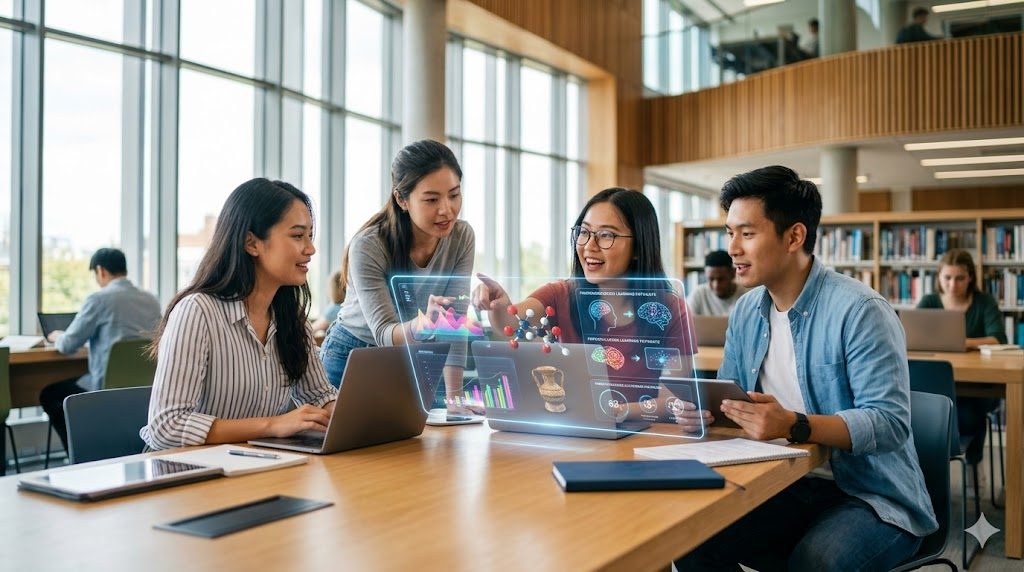

In the contemporary educational and professional landscape, there has been an observable paradigm shift from theoretical instruction to an emphasis on practical application, tools, and skills. This transition marks a significant departure from traditional pedagogical methodologies that predominantly prioritized abstract theoretical concepts. As we delve deeper into this evolution, it becomes imperative to understand its implications and the driving forces behind this metamorphosis.
The focus on practical application represents a response to the demands of an increasingly dynamic and skill-oriented global economy. Theoretical knowledge, while foundational, often fails to equip individuals with the requisite skills needed to navigate complex real-world scenarios. Consequently, educational institutions and professional training programs have recalibrated their curricula to incorporate experiential learning opportunities that emphasize hands-on experience and the acquisition of practical skills.
Bridging the Gap: Theory Meets Practice
The chasm that traditionally separated theoretical knowledge from practical application has been a long-standing concern for educators and employers alike. Bridging this gap necessitates a concerted effort to integrate real-world problem-solving into academic curricula. This integration not only enhances cognitive engagement but also fosters the development of critical thinking and adaptability—traits that are indispensable in today’s workforce.
In addition, educational institutions are collaborating more closely with industries to ensure that curricula are aligned with real-world needs. This collaboration involves internships, co-op programs, and partnerships with businesses to provide students with firsthand experience. By doing so, students are better prepared to enter the workforce with practical skills and a clear understanding of how to apply theoretical knowledge.
Experiential Learning: The New Norm
Experiential learning has become the new norm in many educational settings. This approach involves students actively participating in the learning process through activities like simulations, role-playing, and project-based assignments. These methods engage students more deeply than traditional lectures and encourage them to apply theoretical concepts in practical settings.
Furthermore, experiential learning provides immediate feedback, allowing students to learn from their mistakes and refine their skills in a supportive environment. This iterative process of learning by doing helps solidify concepts and enhances retention, making it a powerful tool for skill development.
The Impact on Curriculum Design
The shift towards practical application has prompted a reevaluation of curriculum design across educational institutions. More emphasis is being placed on interdisciplinary courses that combine theory with practice, allowing students to see the relevance of their studies in various contexts.
Curricula are being designed to be more flexible, with a focus on developing problem-solving and analytical skills that can be applied across different fields. This approach not only prepares students for specific careers but also equips them with a versatile skill set that can be adapted to various professional environments.
Tools and Skills in the Modern Era

The contemporary focus on tools and skills underscores the necessity for proficiency in technological and methodological competencies that are vital in a digitally-driven world. This shift is not merely a trend but a fundamental reorientation towards a more pragmatic approach to education and professional development.
The Role of Technology in Skill Acquisition
Technological advancements have catalyzed the shift towards skills-based learning. Tools such as simulations, virtual labs, and digital platforms have revolutionized the way skills are taught and acquired. These technologies provide immersive learning experiences that are both interactive and reflective of real-world contexts, thereby enabling learners to hone their skills in a controlled yet dynamic environment.
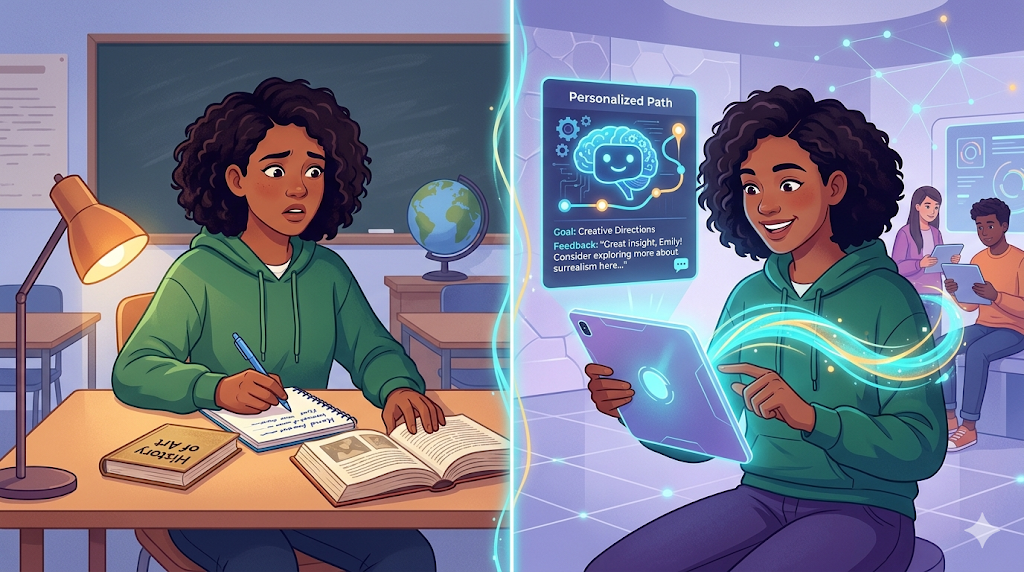
Moreover, technology has enabled personalized learning experiences, allowing learners to progress at their own pace and focus on areas where they need improvement. This adaptability is crucial in skill development, as it caters to individual learning styles and needs. Additionally, online platforms offer access to a vast array of resources and courses, making skill acquisition more accessible and convenient than ever before.
Digital Literacy: A Key Competency
In today’s digital age, digital literacy has emerged as a key competency for both students and professionals. The ability to navigate digital tools and platforms is essential for effective communication, collaboration, and problem-solving in the modern workplace. Educational institutions are increasingly incorporating digital literacy into their curricula to ensure that graduates are equipped with the necessary skills to thrive in a technology-driven world.
Digital literacy encompasses a wide range of skills, including understanding and using digital tools, evaluating online information critically, and maintaining digital security and privacy. These skills are crucial for both personal and professional success, as they enable individuals to engage with technology confidently and responsibly.
Methodological Competencies: The Backbone of Innovation
Beyond digital tools, methodological competencies form the backbone of innovation and problem-solving in various fields. These competencies include critical thinking, data analysis, project management, and effective communication. By focusing on these skills, educational programs aim to produce graduates who can adapt to new challenges and drive innovation in their respective fields.
Methodological competencies are often developed through collaborative projects and case studies, where students work in teams to tackle real-world problems. This approach not only enhances learning but also prepares students for the collaborative nature of today’s work environments. By fostering these competencies, educational institutions are equipping students with the tools they need to become effective leaders and innovators.
Theoretical Knowledge: A Foundation, Not a Culmination
It is crucial to acknowledge that the pivot from theory to tools and skills does not imply the obsolescence of theoretical knowledge. On the contrary, theory remains an essential foundation upon which practical skills are built. Theoretical frameworks provide the underpinning principles that guide practical application and innovation. Thus, the challenge lies in achieving a harmonious balance between theory and practice.
Re-envisioning Educational Paradigms
Educational paradigms are being re-envisioned to accommodate the dual emphasis on theory and practice. This re-envisioning involves the development of curricula that are both comprehensive and adaptable, allowing for the seamless integration of theoretical instruction with skill-based training. The objective is to cultivate a holistic learning experience that equips learners with both the knowledge and the skills necessary for professional success.
To achieve this, educators are exploring new teaching methodologies that encourage active learning and critical thinking. Flipped classrooms, where students engage with theoretical content outside of class and focus on practical application during class time, are gaining popularity. This approach allows students to apply their theoretical understanding in a supportive environment, bridging the gap between theory and practice.
The Role of Theory in Innovation
Theoretical knowledge plays a crucial role in innovation, serving as the foundation for new ideas and advancements. By understanding the underlying principles of a field, individuals can push the boundaries of what is possible and develop innovative solutions to complex problems.
In many cases, theoretical breakthroughs have paved the way for practical applications that have transformed industries. For example, advancements in theoretical physics have led to the development of technologies like MRI machines and semiconductors. Therefore, maintaining a strong theoretical foundation is essential for fostering innovation and progress.
Balancing Theory and Practice in Education
Achieving a balance between theory and practice in education requires thoughtful curriculum design and a commitment to continuous improvement. Educators must ensure that students have a solid understanding of theoretical concepts while also providing ample opportunities for practical application.
This balance can be achieved through a combination of lectures, hands-on activities, and real-world projects. By integrating these elements, educational programs can create a dynamic learning environment that prepares students for both the challenges and opportunities of the modern world.
Implications for Workforce Development

by Igor Omilaev (https://unsplash.com/@omilaev)
The implications of this educational shift extend beyond academia into the realm of workforce development. Employers are increasingly seeking candidates who possess not only theoretical knowledge but also the practical skills and adaptability to apply that knowledge effectively in diverse scenarios.
Enhancing Employability through Skill Development
The focus on practical application and skills development enhances employability by aligning educational outcomes with industry needs. This alignment ensures that graduates possess the competencies required to meet the challenges of the modern workplace. Furthermore, continuous skill development is essential for career progression in a rapidly evolving job market.
Employers are placing greater emphasis on soft skills such as communication, teamwork, and problem-solving, in addition to technical skills. These soft skills are crucial for successful collaboration and leadership in the workplace. Educational programs are increasingly incorporating these skills into their curricula through group projects, presentations, and experiential learning opportunities.
Adapting to Industry Changes
The rapid pace of technological advancement and industry change requires a workforce that is adaptable and resilient. To meet this demand, educational institutions are focusing on developing lifelong learners who can continuously update their skills and knowledge.
This approach involves fostering a growth mindset in students, encouraging them to embrace challenges and view failures as opportunities for learning. By cultivating this mindset, educational programs prepare students for the ever-changing demands of the modern workplace and empower them to take charge of their professional development.
The Role of Continuous Professional Development
In addition to initial education, continuous professional development (CPD) is crucial for maintaining relevance in the workforce. Employers are increasingly supporting CPD initiatives, providing employees with opportunities to attend workshops, conferences, and training sessions.
These initiatives enable employees to stay updated on industry trends and advancements, ensuring that they remain competitive in the job market. By prioritizing CPD, organizations can build a skilled and agile workforce capable of driving innovation and achieving business objectives.
Challenges and Opportunities
While the shift from theory to tools and skills presents significant opportunities, it also poses challenges that must be addressed to ensure its success.
Navigating the Transition
One of the primary challenges is the need for educators and institutions to adapt to new teaching methodologies and technologies. This adaptation requires investment in resources and professional development to equip educators with the skills necessary to deliver effective skills-based education.
The transition also involves rethinking assessment methods to evaluate practical skills accurately. Traditional exams may not adequately measure a student’s ability to apply knowledge in real-world scenarios. As a result, educators are exploring alternative assessment methods, such as project-based evaluations and peer assessments, to provide a more comprehensive evaluation of student performance.
Embracing Lifelong Learning
In a world where the half-life of skills is continually diminishing, lifelong learning has become a necessity. Embracing lifelong learning involves cultivating a mindset that values continuous improvement and adaptability, enabling individuals to remain relevant in an ever-changing landscape.
Educational institutions play a vital role in promoting lifelong learning by providing flexible learning opportunities, such as online courses and micro-credentials. These options allow individuals to upskill and reskill as needed, ensuring that they can adapt to new challenges and opportunities throughout their careers.
Overcoming Barriers to Access
Despite the benefits of skills-based learning, barriers to access remain a significant challenge. Socioeconomic factors, geographic location, and limited access to technology can hinder individuals’ ability to participate in skills-based education.
Addressing these barriers requires a concerted effort from governments, educational institutions, and industry leaders to create inclusive and equitable learning opportunities. Initiatives such as scholarships, community-based learning centers, and public-private partnerships can help bridge the gap and ensure that all individuals have the opportunity to develop the skills they need to succeed.
Conclusion
The shift from a theoretical focus to an emphasis on tools and skills represents a transformative change in education and professional development. This evolution, driven by the demands of a skills-oriented economy, underscores the importance of practical application and technological proficiency.
As we navigate this transition, it is essential to strike a balance that acknowledges the foundational role of theoretical knowledge while embracing the opportunities presented by skills-based learning. By doing so, we can ensure that individuals are equipped with the competencies needed to thrive in the complex and dynamic world of today and tomorrow.
In conclusion, the success of this shift depends on the collective efforts of educators, industry leaders, and policymakers to create a learning ecosystem that is responsive to the needs of the modern world. By fostering collaboration and innovation, we can build a future where education empowers individuals to achieve their full potential and contribute meaningfully to society.