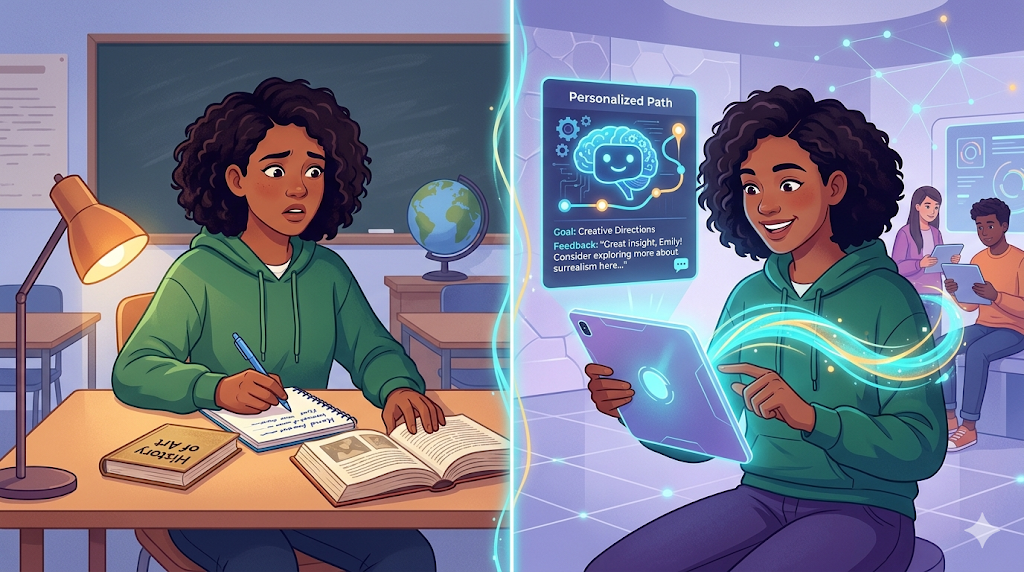
In an era characterized by rapid technological advancements, the integration of artificial intelligence (AI) into educational paradigms is not merely an innovation but a necessity. AI’s capacity to revolutionize the learning process is profound, offering unprecedented opportunities to expedite the acquisition of new skills. This article delves into the intricacies of how AI facilitates accelerated learning, examines AI education tools, and explores the impact of AI learning platforms on educational efficacy.
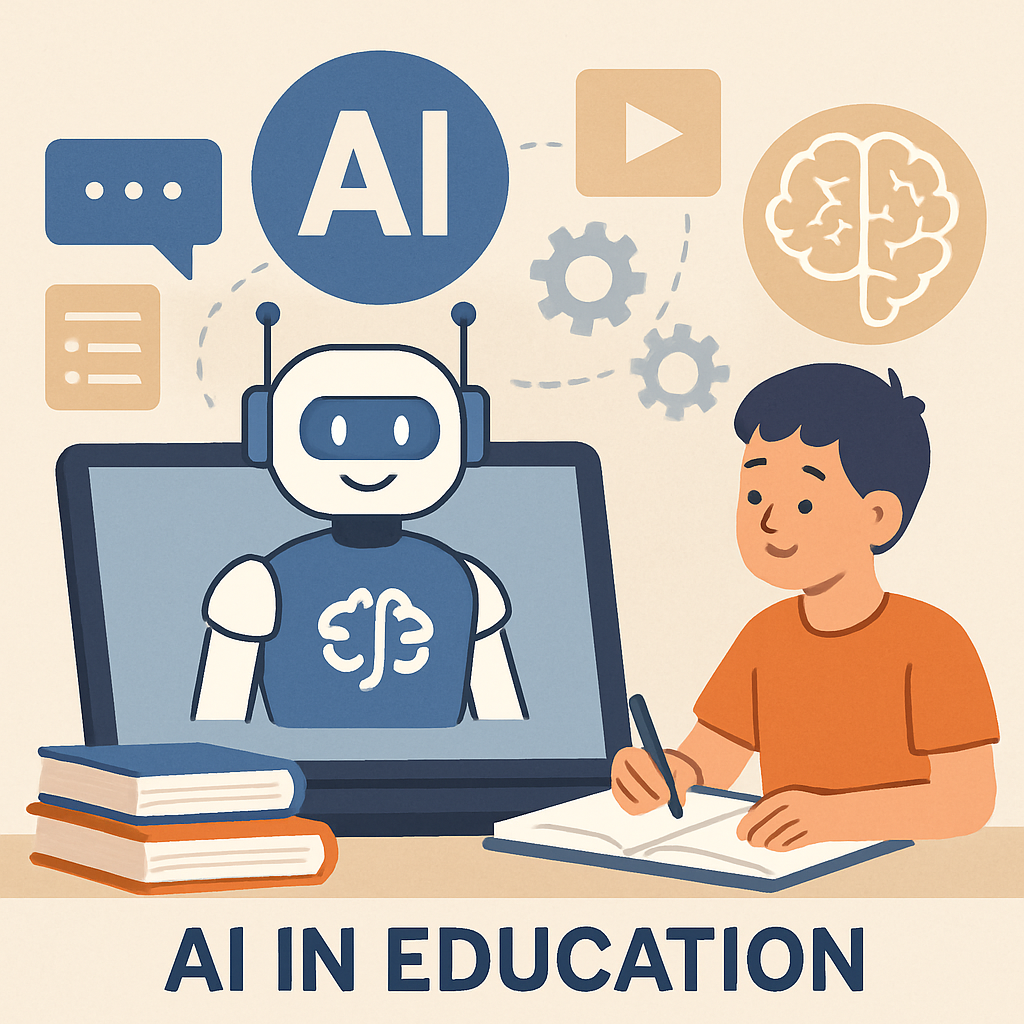
AI’s role in education is multifaceted, encompassing personalized learning experiences, automation of administrative tasks, and enhancement of educational content delivery. By leveraging AI’s capabilities, educational institutions can transcend traditional pedagogical constraints, fostering an environment conducive to rapid skill acquisition.
Personalized Learning Experiences
Central to AI’s educational prowess is its ability to tailor learning experiences to individual learners’ needs. Through sophisticated algorithms, AI systems analyze learners’ interactions, preferences, and performance data to create customized learning paths. This personalization ensures that learners engage with content at a pace suited to their cognitive abilities, thereby optimizing retention and comprehension.
Moreover, AI-driven personalization extends beyond mere content delivery. It includes adaptive feedback mechanisms that adjust in real time, guiding learners to focus on areas where they need improvement. This dynamic adjustment allows learners to overcome obstacles swiftly and maintain motivation throughout the learning journey. Additionally, personalized learning fosters a sense of ownership and agency, empowering learners to take control of their educational trajectories.
Intelligent Tutoring Systems
AI-powered intelligent tutoring systems (ITS) serve as virtual mentors, providing learners with real-time feedback and guidance. These systems simulate one-on-one tutoring experiences, adapting instructional strategies based on learners’ responses. By identifying knowledge gaps and offering targeted interventions, ITS enhances learners’ proficiency and accelerates skill mastery.
Intelligent tutoring systems are designed to mimic the nuances of human interaction, offering empathy and encouragement alongside technical instruction. This human-like interaction fosters a supportive learning environment, making learners more receptive to feedback. Furthermore, ITS can scale to accommodate large numbers of learners, providing consistent quality instruction that is often unattainable in traditional settings.
The adaptability of ITS means that learners receive instruction tailored to their unique learning styles, whether they are visual, auditory, or kinesthetic learners. This customization ensures that learners can engage with material in the most effective way for them, further accelerating the acquisition of new skills.
AI-Driven Content Creation
AI’s capabilities extend to the creation of educational content, where it plays a pivotal role in generating adaptive learning materials. Through natural language processing (NLP) and machine learning algorithms, AI can produce dynamic content that evolves in response to learners’ progress. This adaptability ensures that learners are continually challenged, fostering deeper engagement and facilitating accelerated skill acquisition.
AI-driven content creation is not limited to text; it encompasses multimedia resources such as interactive videos and simulations. These resources cater to different learning preferences, making education more inclusive and engaging. Furthermore, AI can curate content from vast repositories of information, ensuring that learners have access to the most current and relevant materials.
The ability to generate personalized quizzes and assessments is another significant advantage of AI-driven content creation. These tools enable learners to test their understanding in real-time and receive immediate feedback, reinforcing learning and identifying areas for further study. By constantly evolving, AI-generated content maintains learners’ interest and promotes sustained academic growth.
AI Education Tools: Catalysts for Rapid Skill Acquisition
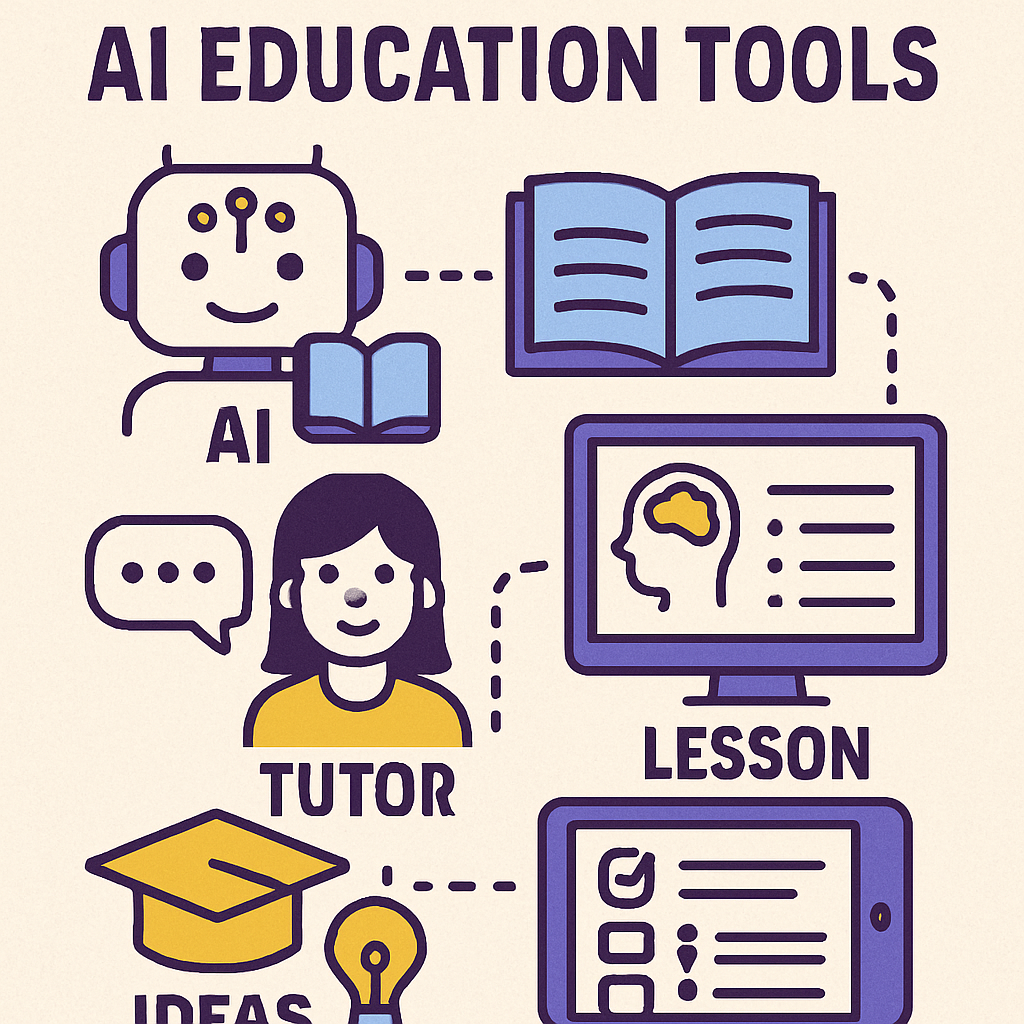
The proliferation of AI education tools has transformed the educational landscape, providing learners with innovative resources to expedite skill development.
Adaptive Learning Platforms
Adaptive learning platforms harness AI to deliver personalized educational experiences. These platforms employ machine learning algorithms to analyze learners’ interactions and adjust content delivery accordingly. By continuously assessing learners’ performance, adaptive learning platforms provide targeted instruction that addresses individual needs, thereby enhancing learning efficiency.
In addition to personalizing content, adaptive learning platforms offer predictive analytics that anticipate learners’ future performance. This foresight allows educators to intervene proactively, offering support before learners encounter significant difficulties. Furthermore, these platforms can identify patterns in learners’ behavior, providing insights into their engagement levels and learning preferences.
The ability to integrate with other educational technologies is another hallmark of adaptive learning platforms. This interoperability ensures that learners benefit from a cohesive educational experience, with tools and resources working in harmony to support their learning goals. By offering a seamless educational journey, adaptive learning platforms maximize learning outcomes and speed up skill acquisition.
Virtual Reality and Augmented Reality
AI’s integration with virtual reality (VR) and augmented reality (AR) technologies has introduced immersive learning experiences that accelerate skill acquisition. VR and AR environments enable learners to engage in realistic simulations, providing hands-on experiences that reinforce theoretical knowledge. These technologies facilitate experiential learning, allowing learners to apply skills in practical contexts, thereby enhancing retention and proficiency.
Immersive learning experiences are particularly beneficial in fields that require practical skills, such as medicine, engineering, and the arts. By simulating real-world scenarios, VR and AR allow learners to practice and refine their skills in a safe environment, reducing the risk of errors in real-life applications. Additionally, these technologies provide learners with immediate feedback, enabling them to learn from their mistakes and improve rapidly.
The use of VR and AR in education also fosters collaboration and communication among learners. By engaging in shared virtual environments, learners can work together on projects, exchange ideas, and develop teamwork skills. This collaborative aspect of immersive learning further enhances skill acquisition, preparing learners for the demands of the modern workforce.
AI-Powered Language Learning Apps
Language acquisition is a domain where AI’s impact is particularly pronounced. AI-powered language learning apps utilize NLP and speech recognition technologies to provide learners with interactive language practice. These apps offer personalized feedback on pronunciation and grammar, enabling learners to refine their linguistic skills in real-time. By simulating conversational experiences, AI language learning apps expedite language acquisition, making them invaluable tools for learners.
Beyond traditional language instruction, AI-powered apps incorporate cultural context and idiomatic expressions, offering a holistic approach to language learning. This cultural immersion helps learners understand the nuances of language use in different social situations, enhancing their communicative competence. Additionally, gamification elements in these apps motivate learners to progress through levels, making language learning an enjoyable and engaging process.
AI language learning apps also facilitate peer interaction, connecting learners with native speakers for conversational practice. This interaction not only boosts learners’ confidence but also provides insights into colloquial language use, further accelerating language mastery. By offering a comprehensive language learning experience, these apps empower learners to achieve fluency faster than ever before.
The Impact of AI Learning Platforms on Educational Efficacy

by Jo Lin (https://unsplash.com/@jolin974658)
AI learning platforms have redefined educational efficacy, offering scalable solutions that enhance learning outcomes across diverse educational contexts.
Scalability and Accessibility
AI learning platforms offer unparalleled scalability, enabling educational institutions to accommodate a vast number of learners without compromising quality. By automating content delivery and assessment, these platforms reduce the burden on educators, allowing them to focus on providing personalized support. Furthermore, AI learning platforms democratize education, providing learners with access to high-quality resources irrespective of geographical constraints.
Scalability is achieved through cloud-based solutions, which enable institutions to expand their educational offerings without significant infrastructure investments. This flexibility allows educational providers to reach underserved populations and offer courses in remote areas. Additionally, AI learning platforms support various learning modalities, catering to diverse learner needs and preferences.
The accessibility of AI learning platforms is further enhanced by multilingual support and adaptive user interfaces. These features ensure that learners from different linguistic backgrounds and with varying levels of technical proficiency can navigate the platforms with ease. By breaking down barriers to education, AI learning platforms promote inclusivity and foster global learning communities.
Data-Driven Insights
AI’s data analytics capabilities provide educators with valuable insights into learners’ progress and engagement. By analyzing data from learners’ interactions, AI learning platforms offer educators actionable feedback that informs instructional strategies. This data-driven approach empowers educators to make informed decisions, optimizing educational outcomes and expediting skill acquisition.
Data-driven insights enable educators to identify trends and patterns in learners’ behavior, allowing for targeted interventions and support. This proactive approach minimizes the risk of learners falling behind and ensures that instructional strategies remain aligned with learners’ needs. Additionally, data analytics facilitate the continuous improvement of educational content, ensuring that it remains relevant and effective.
The ability to track learners’ progress in real-time also supports personalized learning pathways, allowing educators to adjust instruction based on learners’ achievements. This customization enhances learner engagement and motivation, contributing to higher retention rates and faster skill acquisition. By leveraging data-driven insights, educators can create dynamic and responsive learning environments that maximize educational efficacy.
Continuous Improvement and Feedback Loops
AI learning platforms facilitate continuous improvement through feedback loops, where learners’ performance data is used to refine instructional strategies. This iterative process ensures that educational content remains relevant and effective, adapting to the evolving needs of learners. By fostering a culture of continuous improvement, AI learning platforms enhance educational efficacy and accelerate skill development.
Feedback loops involve regular assessment and evaluation of educational content, allowing for timely updates and revisions. This agility ensures that learners receive the most current and accurate information, promoting lifelong learning and adaptability. Furthermore, feedback loops encourage collaboration between educators and learners, fostering a sense of shared responsibility for educational outcomes.
The iterative nature of feedback loops also supports the development of critical thinking and problem-solving skills, as learners are encouraged to reflect on their progress and identify areas for improvement. By promoting a growth mindset, AI learning platforms empower learners to take charge of their learning journeys and achieve their full potential. This continuous cycle of feedback and improvement drives educational innovation and accelerates the pace of skill acquisition.
Challenges and Considerations in AI-Driven Education
While AI’s potential to expedite learning is undeniable, its integration into educational settings presents challenges that warrant consideration.
Ethical Concerns
The use of AI in education raises ethical considerations, particularly concerning data privacy and algorithmic bias. Ensuring that learners’ data is protected and that AI systems operate without bias is paramount to maintaining trust and integrity in AI-driven education.
Data privacy concerns stem from the extensive data collection required by AI systems to personalize learning experiences. Educational institutions must implement robust data protection measures to safeguard learners’ information and comply with privacy regulations. Transparency in data usage policies is essential to build trust among learners and stakeholders.
Algorithmic bias poses a risk to the fairness and inclusivity of AI-driven education. AI systems must be designed to avoid reinforcing existing biases or creating new ones, which requires diverse and representative training data. Continuous monitoring and evaluation of AI systems are necessary to identify and mitigate bias, ensuring equitable access to educational opportunities for all learners.
Equity and Access
While AI learning platforms democratize education, disparities in access to technology can exacerbate educational inequities. Ensuring equitable access to AI-driven educational resources is crucial to realizing the full potential of AI in education.
Socioeconomic disparities often result in unequal access to technology and digital resources, limiting some learners’ ability to benefit from AI-driven education. Addressing these disparities requires targeted interventions, such as providing affordable devices and internet access to underserved communities. Partnerships between educational institutions, governments, and private sector organizations can facilitate these efforts.
Language and cultural differences can also impact learners’ access to AI-driven education. To overcome these barriers, educational platforms must offer multilingual support and culturally relevant content. By prioritizing inclusivity and diversity, AI-driven education can reach a broader audience and promote global educational equity.
Teacher Training and Support
As AI becomes increasingly integrated into education, the role of teachers is evolving. Educators must be equipped with the skills and knowledge to effectively incorporate AI tools into their teaching practices.
Professional development programs are essential to help teachers understand the capabilities and limitations of AI technologies. These programs should focus on enhancing teachers’ digital literacy and pedagogical skills, enabling them to create engaging and effective learning experiences. Additionally, ongoing support and resources should be provided to assist educators in adapting to the changing educational landscape.
Collaboration between educators and AI developers is crucial to ensure that AI tools align with educational goals and address the needs of both teachers and learners. By fostering partnerships and open communication, the education sector can maximize the benefits of AI-driven learning and support teachers in their pivotal role as facilitators of knowledge and skill acquisition.
Conclusion
In conclusion, AI’s integration into educational paradigms is revolutionizing the learning process, offering learners opportunities to acquire new skills at an accelerated pace. Through personalized learning experiences, innovative educational tools, and scalable learning platforms, AI is redefining educational efficacy. However, as AI continues to transform education, addressing ethical concerns and ensuring equitable access remain critical to harnessing AI’s full potential. As we navigate this evolving landscape, the synergy between AI and education promises to usher in a new era of learning, where acquiring new skills is faster, more efficient, and accessible to all.