
In 2024, we simply talked to AI, but in 2026, we work with it. According to recent workplace studies, the most effective employees have transitioned from being casual users to active AI collaborators. Figuring out how to learn ai step-by-step in 2026 is not about memorizing complex code. Instead, it is about directing a highly capable digital assistant to handle your most repetitive tasks.
Because technical barriers have practically vanished, your own human intuition is now your most valuable skill. To help you amplify your current talents, we created an effective four-week roadmap covering ai for beginners. Over the next month, you will learn ai step-by-step, turning that familiar fear of falling behind into a confident command of your daily workload.
Why Your Intuition Outperforms Algorithms: The ‘Manager’ Mindset
Many people worry they need to master the essential math prerequisites for modern artificial intelligence just to use it effectively. Fortunately, overcoming the steep learning curve in machine learning is a job for researchers, not for you. Today, your everyday logic, problem-solving skills, and human intuition matter far more than understanding complex calculus.
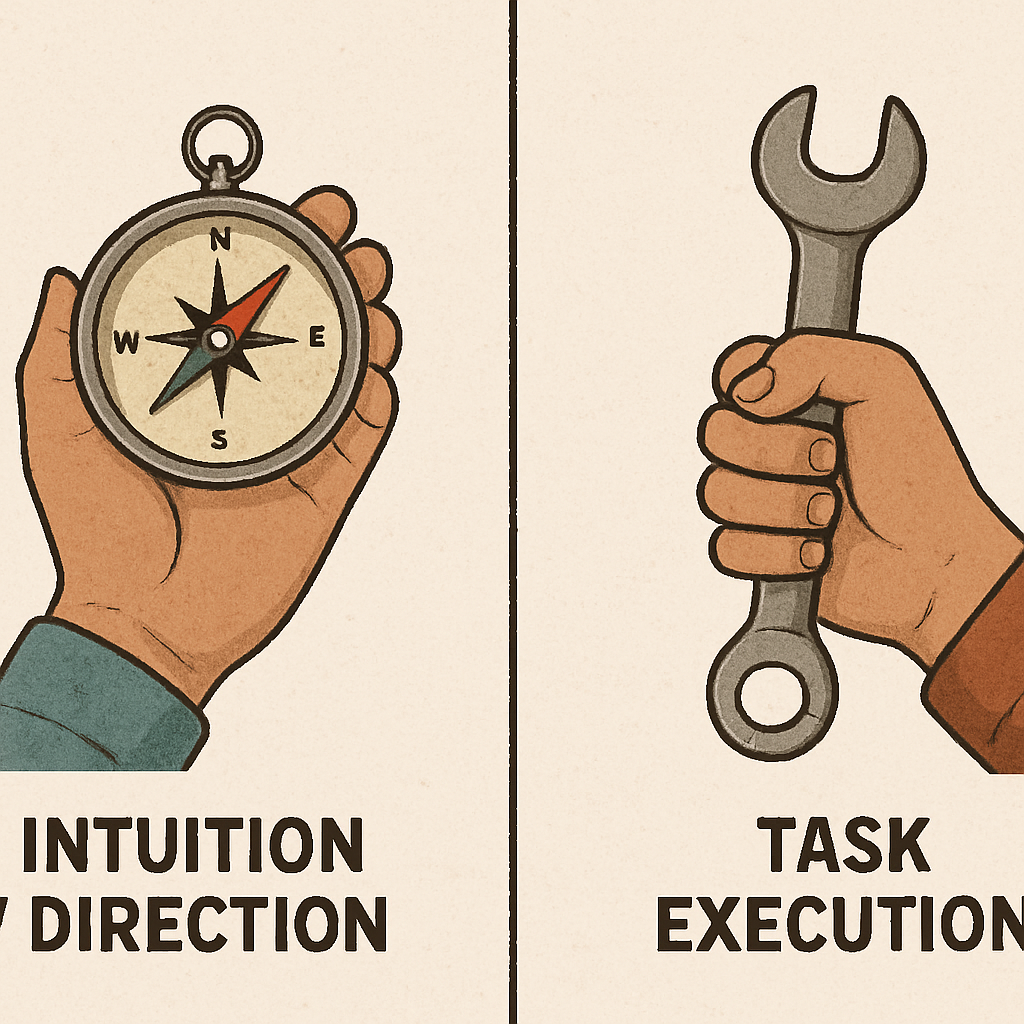
Instead of getting bogged down in how the technology works under the hood, you only need to focus on what you want it to achieve. Even professionals transitioning from software engineer to AI engineer are realizing that clear communication and critical thinking are the true anchors of successful workflows. You are no longer the person manually clicking every button; you are the manager directing a very fast, capable intern.
By embracing this management mindset, you stop treating the computer like a calculator and start treating it like a collaborative partner. Trusting your ability to provide clear directions is the foundation of building a modern digital toolkit.
Assembling Your 2026 Toolkit: From LLMs to Personal Knowledge Systems
While developers argue over PyTorch vs TensorFlow for large language models, your focus should remain strictly on the difference between “Brain” tools and “Hand” tools. Brain tools are standard conversational models that help you brainstorm or draft emails. Hand tools introduce an agentic strategy, acting as specialized digital workers that actively complete tasks like organizing your scattered files or scheduling meetings for you.
To make these tools flawlessly reliable, you give them an open textbook instead of relying on their general memory. This practical method, known as implementing RAG systems for personal knowledge management, forces the AI to securely read your specific project notes before answering. Because it references your actual data, it stops making things up and turns a generic chatbot into a customized partner.
Proving you can confidently direct these connected tools is the ultimate resume upgrade today. If you want to validate your new skills, pursue the best AI certifications for jobs in 2026, focusing specifically on this list of the Top 3 AI Certifications for non-programmers in 2026:
- AI Strategy for Business Leaders (Coursera)
- Certified Prompt Director (OpenAI)
- Applied AI Automation (Google)
Once you pair your unique human intuition with these powerful credentials, you can confidently build workflows that execute tasks autonomously.
Mastering Agentic Workflows: Building a Digital Team That Does the Work
Remember when you had to ask the AI a new question for every tiny change? Today, mastering agentic AI workflows means you stop micromanaging and become a director. You set up specialized digital workers to finish projects autonomously, like passing a recipe from a prep cook to a head chef.
To help these tools understand your world by processing photos, audio, and text together, we use multimodality. Think of it as giving your AI eyes and ears, allowing a local baker to upload a quick voice memo and a photo of leftover bread to instantly generate a discount strategy. This everyday utility is exactly what makes building multi-modal AI applications using open source tools incredibly accessible for your daily tasks.
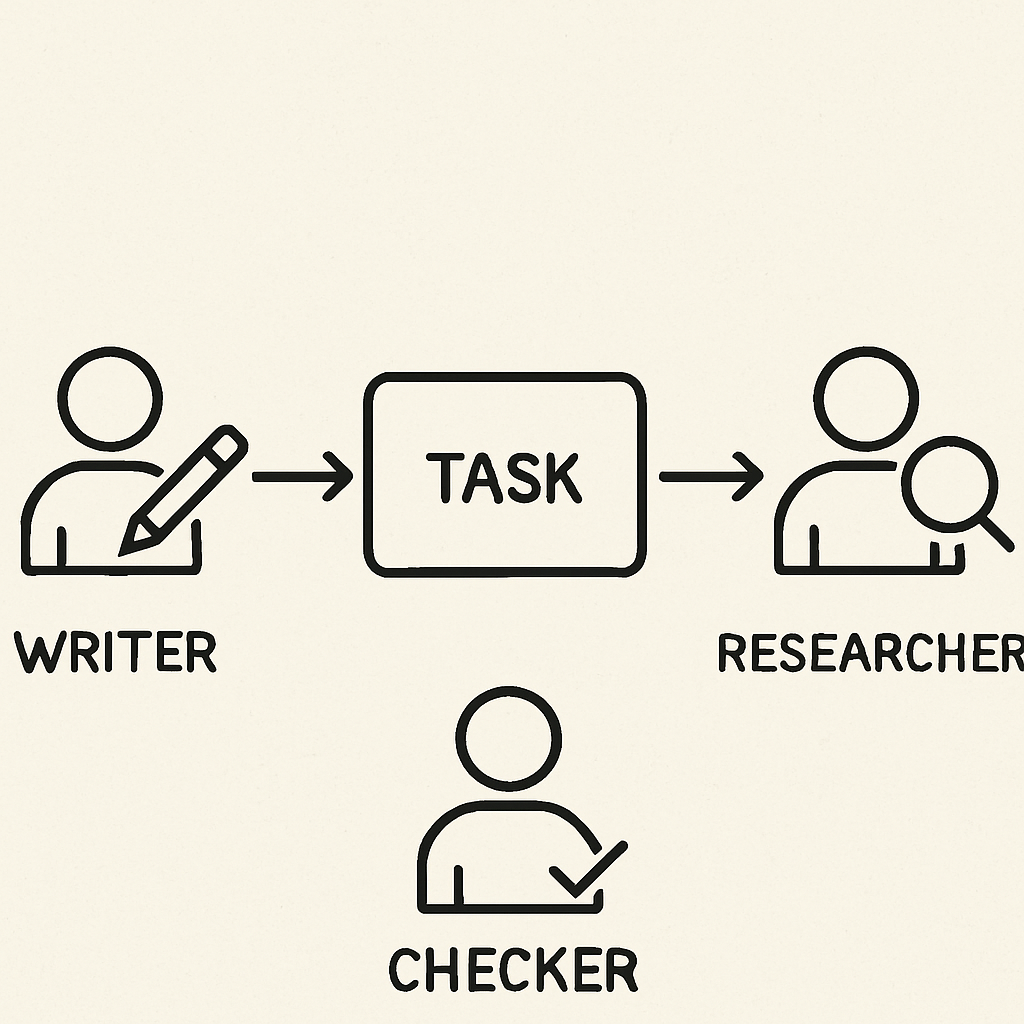
Grasping this team setup matters far more than debating prompt engineering vs fine-tuning for non-programmers, because it focuses strictly on saving you time. Your straightforward three-step chain just needs a researcher to gather facts, a writer to draft, and a checker to review. While these autonomous teams offer incredible efficiency, maintaining human oversight is essential for safety and accuracy.
Staying Safe and Ethical: How to Spot ‘Hallucinations’ and Protect Privacy
Letting your digital team run on autopilot feels amazing, but trust requires boundaries. You don’t need to waste time understanding neural network architectures or reading complex ethics and AI safety frameworks for developers just to stay secure. Instead, focus on spotting “hallucinations”—moments when the tool confidently invents false information, especially in logic-heavy tasks like household budgeting.
To prevent embarrassing mistakes or accidental privacy leaks, always use The 3-Step ‘Fact-Check’ checklist for AI outputs:
- Pause: Remove personal data before hitting send.
- Probe: Ask the AI to provide a reliable source.
- Prove: Cross-reference critical numbers outside the chat window.
Mastering this straightforward verification secures your data and builds the foundation needed to launch a structured, 30-day learning habit.
Your 30-Day Launch Plan: From AI Curiosity to Competence
You now know how to learn ai step by step without worrying about what are the prerequisites for learning deep learning. Instead of coding, commit to a 15-minute daily exploration habit. Here is your 4-week learning roadmap for how to build an AI project portfolio from scratch—your new resume showing three automated workflows:
- Week 1: Mindset (Shift to collaboration)
- Week 2: Tools (Master core apps)
- Week 3: Workflows (Connect your tools)
- Week 4: Safety (Protect your data)
The most effective professionals aren’t competing with technology; they are directing it. Use your daily sandbox to set a practical success metric: hours saved per week. Start experimenting today to reclaim your time and focus on the work that truly matters.