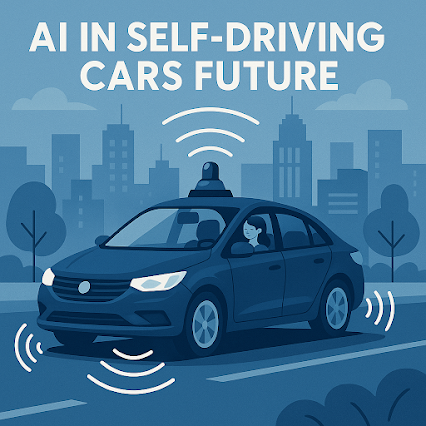
The conversation around Artificial Intelligence is usually dominated by one word: Capability. We ask what the machine can do, how fast it can code, or how realistically it can mimic a human face.
But I believe we are asking the wrong question.
The real question isn’t what AI can do; it’s what we will do.
As I launch aishail.com, my conviction is simple but urgent: the best way to remain masters of technology—and never become its subjects—is to double down on the very things that make us human. We must strengthen the habits that no algorithm can replicate: thinking with clarity, writing with soul, speaking with empathy, and building the foundations of a responsible life.
This is why a liberal arts education is no longer a luxury for the elite. It is a survival necessity for everyone.
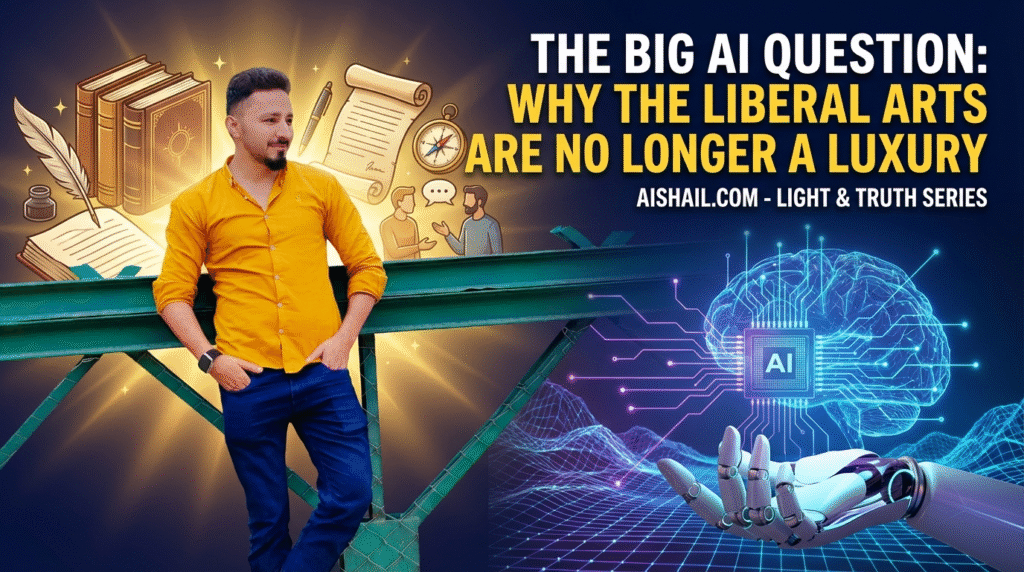
What Does “Liberal Arts” Actually Mean?
When people hear “liberal arts,” they often think of dusty libraries or impractical degrees. But the term comes from the Latin artes liberales—the “skills of a free person.”
Historically, these were the subjects considered essential for a citizen to take an active part in civic life. They weren’t about learning a specific trade; they were about learning how to think.
In the age of AI, the “trade” you learn today might be automated by next Tuesday. But the ability to analyze a complex argument, to understand the ethical implications of a new technology, and to communicate a vision that inspires others? Those are the skills that never depreciate.
The Habits Technology Can’t Provide
At aishail.com, I want to explore the bridge between the digital and the deeply human. To remain “masters of the machine,” we must cultivate five specific habits:
- Thinking Clearly: AI is excellent at processing data, but it struggles with wisdom. A liberal arts foundation helps us spot logical fallacies and navigate a world of “deepfakes” and misinformation.
- Writing Well: Writing is not just a way to record thoughts; it is a way to form them. When we write, we are forced to be precise.
- Real Human Connection: You cannot build a friendship with a Large Language Model. You can only build it through shared vulnerability, eye contact, and presence.
- Responsible Citizenship: Technology has no moral compass. It is up to us to decide how AI should be used in our communities and our government.
- Cultivating Virtue: The “good life” isn’t about efficiency; it’s about character.
How to Pursue a Liberal Arts Education (Even Without a Degree)
You don’t need to go back to university to pursue a liberal arts education. It is a lifelong practice. Here is how you can start today:
- Read the Greats: Don’t just read the news; read the books that have stood the test of time. They offer perspectives on the human condition that an AI simply cannot grasp.
- Practice “Deep Work”: In a world of notifications, the ability to focus for hours on a single difficult problem is a superpower.
- Engage in Socratic Dialogue: Talk to people you disagree with. Challenge your own assumptions. AI often reinforces our biases; liberal arts forces us to break them.
Why This Matters Now
We are at a crossroads. We can either use AI to enhance our human potential, or we can let it atrophy our minds. If we stop writing, we stop thinking. If we stop debating, we stop growing.
That’s why I’m starting a new series here on aishail.com titled Light & Truth. We are going to dive deep into what it means to be truly educated in a digital world. We aren’t just looking for “skills”; we are looking for the truth about who we are and what we are meant to become.
The machine is ready. The question is: Are you?