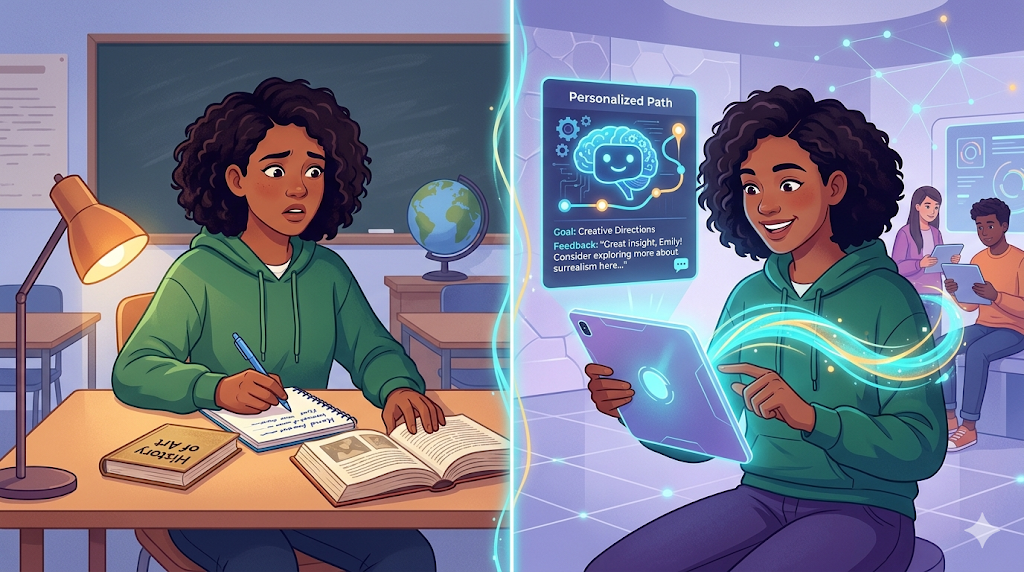
By 2026, artificial intelligence won’t just be a tech skill—it will be the backbone of the American economy. According to industry data, corporations and universities are pouring millions into AI scholarships USA 2026 programs to build tomorrow’s workforce. You do not need to be a programmer to win, because funding is shifting toward interdisciplinary students studying everything from healthcare to art. Think of an algorithm like a digital recipe; an AI scholarship is simply a sponsorship for the chef.
Distinguishing between funding types is your crucial first step. “Gift aid” acts as free money for classes, whereas “research grants” pay you to help universities study new tech. This distinction unlocks powerful ways to reduce tuition costs while pursuing future leaders in machine learning awards.
Government vs. Corporate: Who is Footing the Bill for Your AI Career?

When exploring degree funding, two massive wallets are opening for 2026: tech giants and the US government. Comparing private versus government-funded research grants comes down to your ultimate career goal. Companies pay for future workers, while federal agencies pay for future researchers. Both paths often provide a stipend (a regular cash allowance for living expenses), but their long-term expectations drastically differ.
These expectations dictate the choice between two primary paths:
- The Future Worker (Corporate): Tech awards feature corporate-sponsored artificial intelligence internship and funding opportunities. These sometimes require a corporate residency (a mandatory on-site work period) to guarantee you are job-ready upon graduation.
- The Future Researcher (Government): Federal research grants strictly fund academic discovery. For instance, the National Science Foundation Graduate Research Fellowship Program requirements simply demand US citizenship and enrollment in a research-based master’s or doctoral program.
Choosing your path early is critical because these massive funding machines operate on strict schedules. Whether you are prototyping software for Amazon or analyzing healthcare data for the public sector, you cannot wait until tuition is due to apply. With funding sources identified, the next hurdle is navigating the 2026 deadline calendar 12 months in advance.
The 2026 Deadline Calendar: How to Start Your Application 12 Months Early
Waiting until the new year to look for Fall 2026 funding is the most expensive mistake a student can make. To secure a spot at top-rated US universities offering full-ride data science degrees, you must apply months before classes actually start. Schools rely heavily on “priority deadlines”—early submission cutoffs that put you first in line for the largest financial awards before the money runs out. Creating a personalized deadline calendar for 2026 artificial intelligence academic programs 12 months in advance guarantees you never miss an opportunity.
Here is your essential month-by-month checklist to track from June 2025 to April 2026:
- June–August 2025: Research institutional grants and start outlining your core essays.
- October 2025: Submit the FAFSA (Free Application for Federal Student Aid), the mandatory government form that calculates your eligibility for public funding.
- November–December 2025: Hit the early priority deadlines for massive corporate and university awards.
- January–April 2026: Submit applications for smaller, specialized scholarships and await decision letters.
With your timeline securely organized, the next focus becomes writing the “technical” personal statement without needing a background in advanced mathematics.
Writing the ‘Technical’ Personal Statement (Even If You Aren’t a Math Genius)
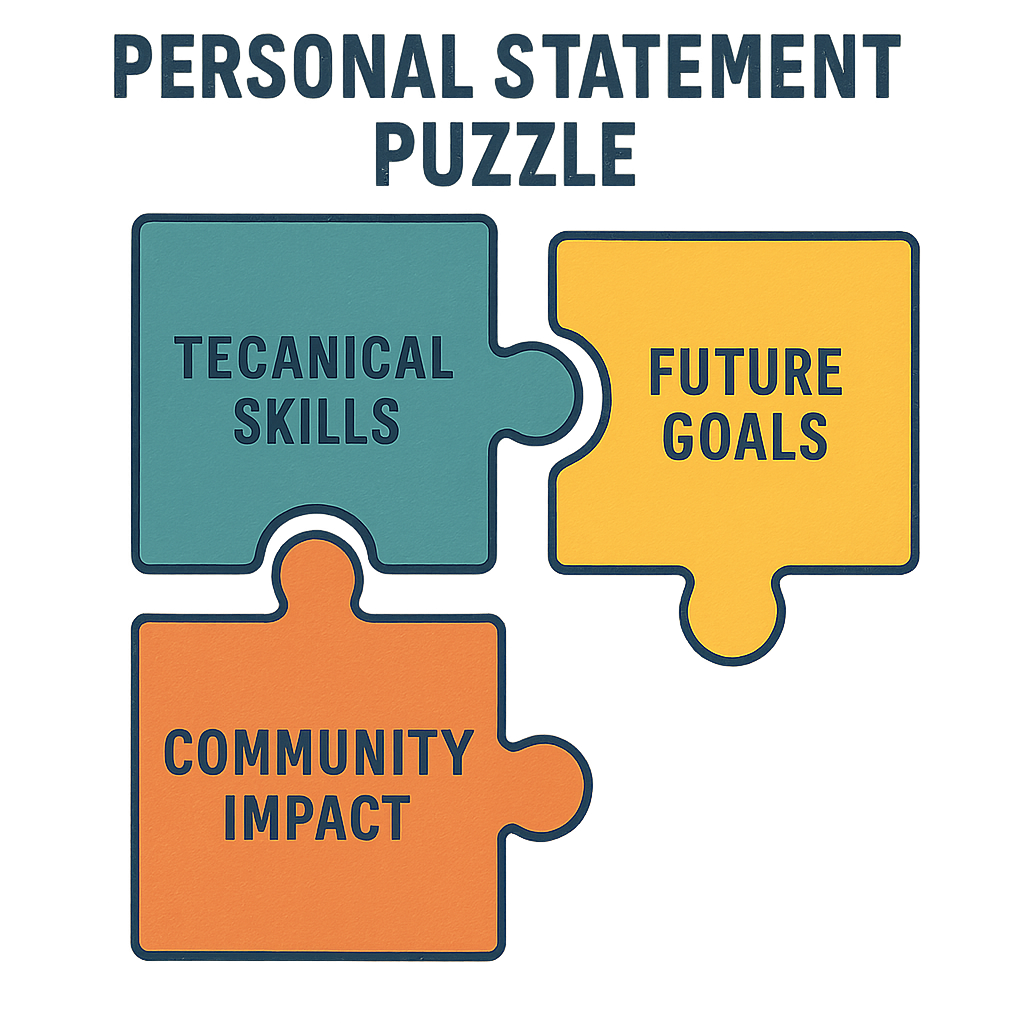
Staring at a blank page while writing a compelling personal statement for technology funding often intimidates non-programmers. Luckily, universities use a holistic review process—evaluating your entire background instead of just your math grades. You do not need to build a robot from scratch; simply translating your everyday tech usage into a vision for ethical AI is enough to prove your potential.
Committees look for problem-solvers rather than human calculators. Therefore, mastering how to demonstrate technical expertise in scholarship applications relies heavily on technical storytelling. Try these three specific “show, don’t tell” project examples for your resume or essay:
- Community Impact: “I used basic data tracking tools to help a local food bank predict high-demand grocery weeks.”
- Ethical Focus: “I researched how AI bias impacts medical diagnoses for minority patients.”
- Self-Taught Initiative: “I completed a free generative AI certification to improve customer service for my family’s small business.”
Unique perspectives are highly valued in this growing industry, making it essential to share your personal background to access diversity in STEM scholarships for underrepresented groups. Emphasizing soft skills like empathy and communication easily helps your essay outshine purely technical applicants. Beyond traditional degrees, numerous hidden financial opportunities exist for non-traditional educational paths.
Finding ‘Hidden’ Money: Fellowships, Grants, and Professional Certifications
Traditional four-year colleges aren’t the only gateway into the tech industry. Today, companies frequently hire candidates who hold micro-credentials—short, highly focused online courses teaching specific skills. Finding alternative funding for AI professional certifications allows you to build a “stackable” resume. Layering smaller, affordable certificates over time proves your technical expertise to employers without paying massive university tuition costs.
Beyond these smaller credentials, you might consider a fellowship, which acts as a short-term, paid sponsorship focused entirely on your professional development or research. Global organizations frequently sponsor fully funded machine learning fellowships for international students to attract diverse problem-solvers from around the world. Likewise, niche technical fields offer incredible merit-based awards for graduate robotics and automation programs that actually pay you to study physical AI applications. Turning these hidden financial options into reality requires immediate action.
Your 2026 Action Plan: Three Steps to Take This Weekend
You no longer need to be a coding prodigy to fund your education. Whether you study ethics or engineering, you now know how to apply for artificial intelligence research grants and target AI scholarships USA 2026. Execute this weekend action plan:
- Search for 3 target scholarships.
- Create a “Master Document” for application tracking.
- Identify one mentor to draft a recommendation letter.
Securing this money isn’t just about reducing debt—it is about claiming your seat in the future economy. Take that first step today, and let the tech industry invest in you.