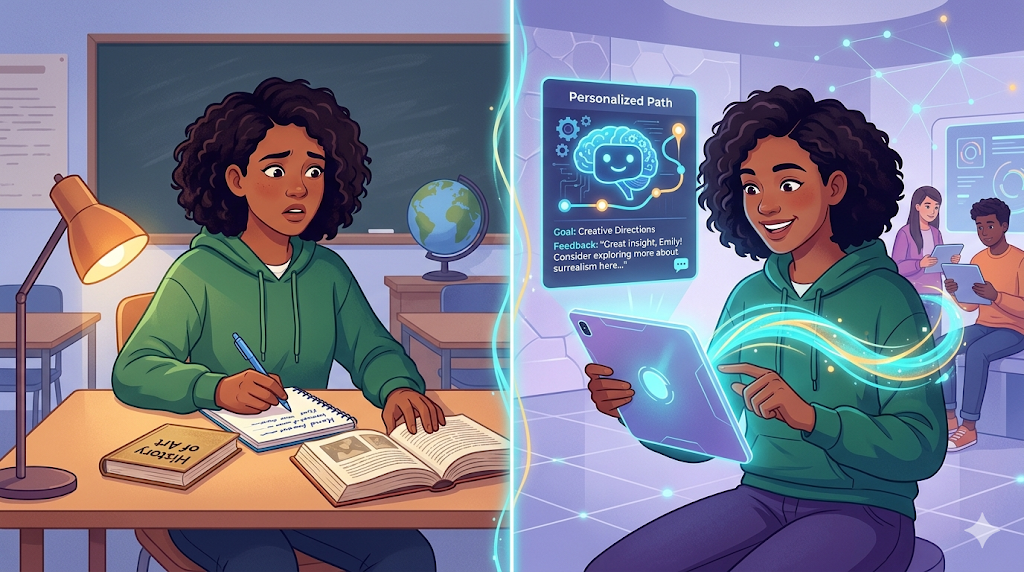
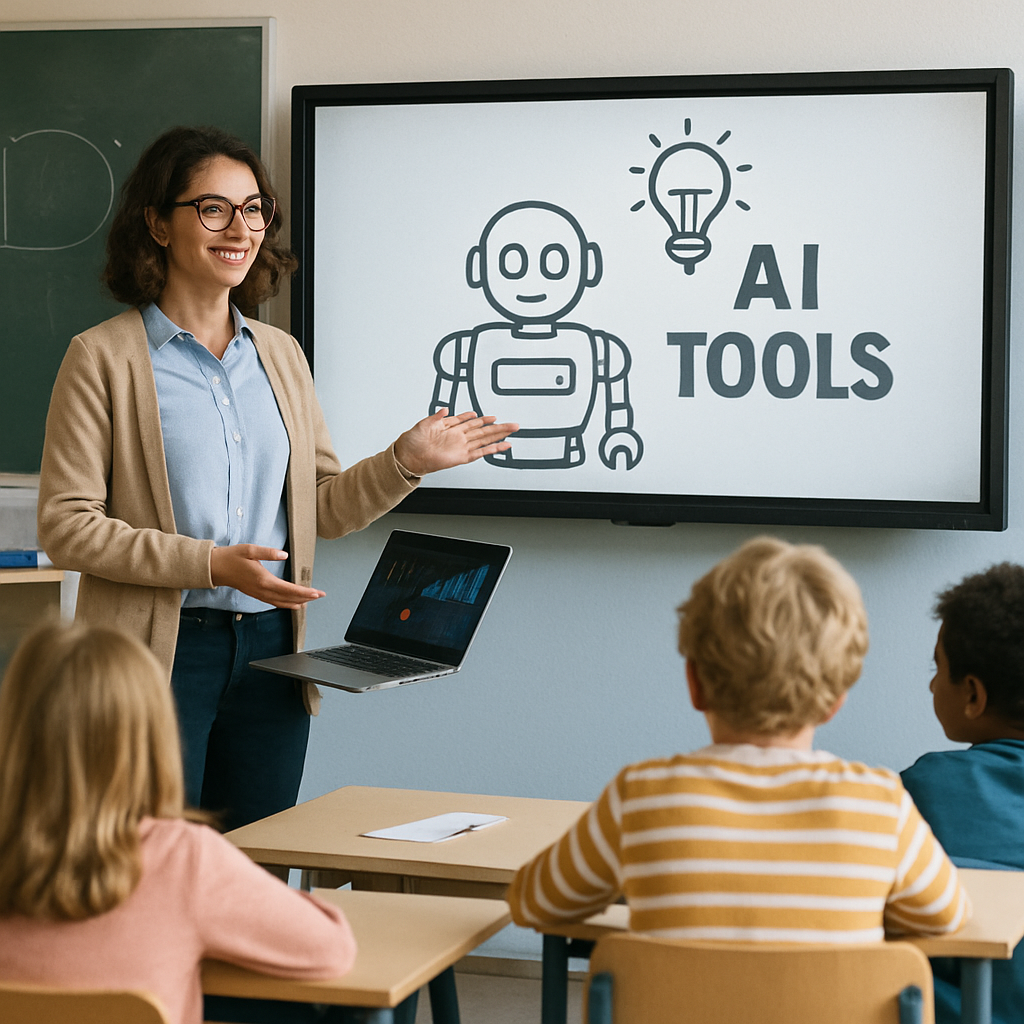
AI is reshaping education, offering new tools and opportunities for teachers and students. Teacher-first AI adoption focuses on empowering educators in this transformation. It ensures that AI tools align with teachers’ needs and teaching styles.
This approach prioritizes teachers’ roles in integrating AI into classrooms. It emphasizes collaboration between educators and AI developers for effective implementation.
AI can personalize learning, automate tasks, and provide real-time feedback. However, successful adoption requires training and support for teachers.
Ethical considerations, such as data privacy, are crucial in AI integration. By prioritizing teachers, AI can enhance education, making it more inclusive and effective.
Understanding Teacher-First AI Adoption
Teacher-first AI adoption places educators at the center of AI integration. This approach involves teachers in the decision-making process. AI tools are selected based on teachers’ input and specific classroom needs.
In this strategy, AI empowers teachers rather than replacing them. It acknowledges the critical human element in education. By focusing on teachers’ expertise, AI becomes a collaborative partner.
Benefits of teacher-first AI adoption include:
- Enhanced teaching effectiveness and job satisfaction
- More tailored and engaging learning experiences for students
- Reduced teacher workload through automation of administrative tasks
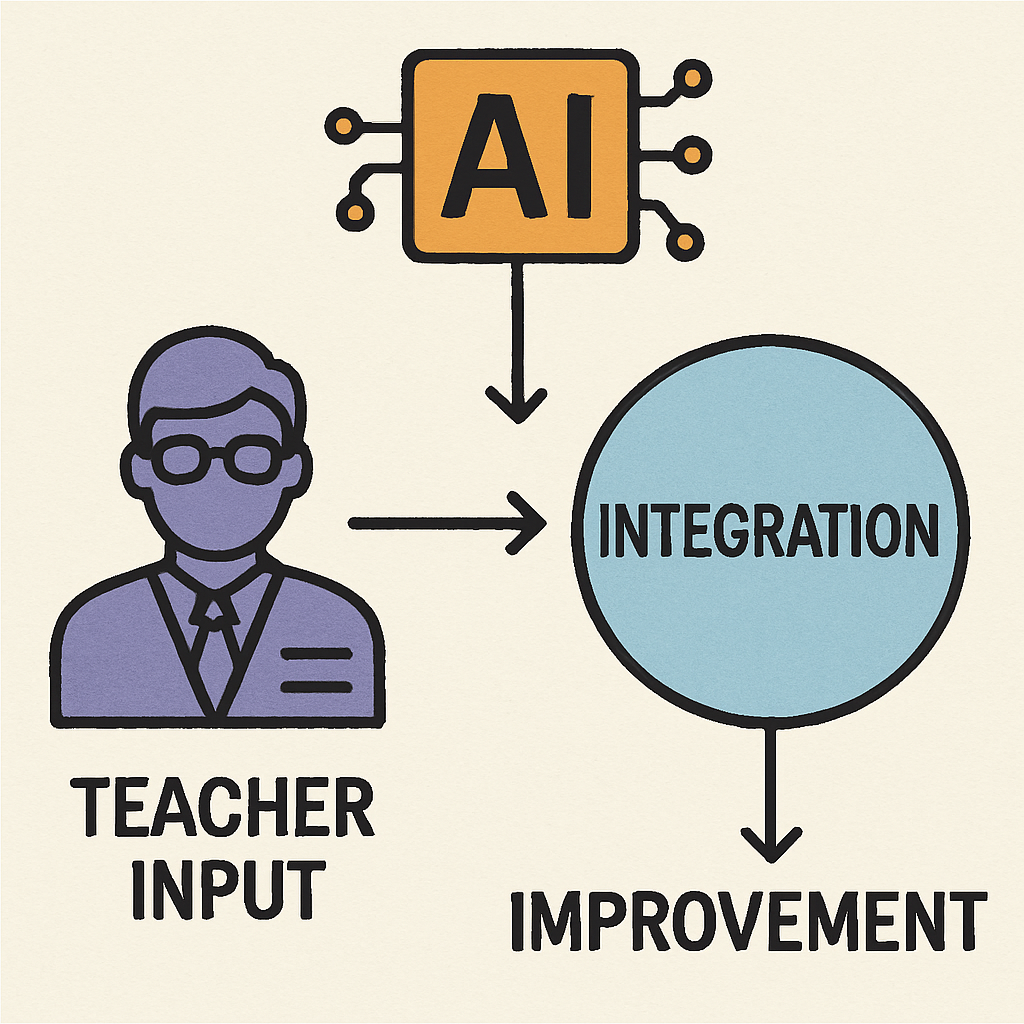
This approach encourages active participation from educators. They can customize AI tools to fit various teaching strategies. By fostering a culture of collaboration, both teachers and students stand to gain. Such a focus ensures that AI supports, rather than disrupts, existing educational methods. As a result, classrooms become more dynamic and responsive to diverse learning needs.
The Role of Teachers in AI Integration
Teachers are the cornerstone of successful AI integration in education. Their deep understanding of student needs makes them invaluable in this process. Teachers can identify the most effective AI tools for individual classrooms.
Involvement of teachers ensures AI meets instructional goals. They tailor AI applications to complement their pedagogical methods. This enhances both teaching and learning experiences.
Key roles teachers play in AI integration include:
- Selecting appropriate AI tools
- Customizing AI to fit specific teaching needs
- Providing feedback on AI tool effectiveness
Teachers advocate for tools that align with curricular goals. Their insights shape the development of AI solutions, promoting relevant and practical applications. By collaborating with AI developers, teachers help create tools that address real classroom challenges.
Finally, teachers serve as guides for students. They teach students how to engage safely and effectively with AI technologies. This guidance ensures students not only benefit from AI but also develop essential digital literacy skills. Empowered educators can lead the way in transformative AI integration.
Benefits of AI in Education for Teachers and Students
AI offers substantial benefits for both teachers and students. It revolutionizes how educational content is delivered and learned. Teachers find relief from time-consuming administrative tasks.
AI tools automate grading and attendance tracking. This frees teachers to focus on more personalized instruction. Students receive tailored learning experiences suited to their unique needs and pace.
AI adapts instructional materials to individual learning styles. It enhances engagement through interactive platforms that respond dynamically to student input. Students enjoy more effective and enjoyable learning experiences.
Key benefits of AI in education include:
- Personalized learning paths for students
- Enhanced teacher productivity and focus
- Real-time insights into student performance
AI’s ability to provide instant feedback is transformative. It helps identify and address learning gaps promptly. Students gain a deeper understanding of subjects through iterative feedback.
Moreover, AI facilitates inclusive education. It offers resources and tools that cater to diverse learning abilities. This creates a more equitable environment where all students can thrive.
In summary, AI empowers educators and enriches student learning. It strengthens education by fostering engagement and adapting to individual needs. Ultimately, AI enables teachers to dedicate more time to creative and impactful teaching methods.
Challenges and Concerns in Teacher-First AI Adoption
Despite the potential benefits, adopting AI in a teacher-first manner presents unique challenges. Educators may feel overwhelmed by the rapid introduction of new technologies. Adapting to these changes requires careful planning and support.
Another concern is the cost of AI implementation. Schools need to invest in infrastructure, training, and maintenance. Financial constraints can limit access to necessary resources, leading to uneven adoption.
Ethical issues also pose significant challenges. Protecting student data and privacy is paramount. Teachers worry about how AI systems handle sensitive information and whether they unintentionally introduce biases.
Some key concerns include:
- Adequate training and support for teachers
- Financial constraints impacting implementation
- Ethical use of AI and data privacy

by Ola Syrocka (https://unsplash.com/@superola)
Resistance to change is another barrier. Teachers may hesitate to incorporate unfamiliar AI tools. Ensuring that educators feel confident and empowered to use AI effectively is critical.
Additionally, continuous evaluation of AI tools is required. This ensures they align with educational goals and do not replace essential teaching roles. Addressing these challenges is crucial for successful teacher-first AI adoption.
Key Strategies for Effective Teacher-First AI Implementation
To ensure AI effectively supports education, schools must adopt strategic approaches. A clear vision and objectives should guide AI integration. This ensures alignment with educational goals.
Training programs are essential. Educators need thorough training to utilize AI tools effectively. Providing ongoing support can enhance their confidence and skills.
Collaboration between educators and AI developers fosters success. Teachers bring valuable insights that can shape AI tools. This partnership can result in more practical and user-friendly solutions.
Schools should focus on building robust infrastructure. Reliable internet and hardware are crucial for seamless AI operation. Investing in resources paves the way for effective integration.
Some key strategies include:
- Establishing clear goals for AI use
- Offering comprehensive and ongoing training
- Enhancing infrastructure to support AI technologies
- Encouraging collaboration between teachers and developers

by phyo min (https://unsplash.com/@phyoemin)
Teachers must also have a role in selecting AI tools. Their input ensures the tools meet classroom needs and instructional practices. A participatory approach fosters ownership and encourages adoption.
Creating a supportive environment is vital. Teachers need encouragement to experiment and innovate with AI. Success stories should be shared, celebrating achievements and inspiring others. By implementing these strategies, schools can harness AI’s potential while empowering educators.
Professional Development and Training for AI in Education
Professional development is crucial for effective AI use in education. It equips teachers with necessary skills and confidence. Training programs should be comprehensive and tailored to educators’ needs.
Hands-on workshops are effective for learning. They provide practical experience with AI tools in real classroom settings. Teachers can see direct applications and benefits.
Ongoing support is also vital. Regular updates and sessions ensure educators stay informed about new AI developments. Continuous learning helps teachers adapt to changing technologies.
Effective professional development should focus on:
- Practical, hands-on training sessions
- Continuous learning opportunities for educators
- Tailored programs to address specific teaching needs
- Access to resources and support for AI integration
Moreover, peer-to-peer learning can be invaluable. Encouraging collaboration among teachers allows for the exchange of best practices. Sharing experiences can enhance collective knowledge and success in AI adoption. This cooperative approach builds a community of well-prepared educators.
Ethical Considerations and Data Privacy
The integration of AI in education brings ethical concerns. Protecting student data and privacy is paramount. Schools must have clear policies addressing data use.
AI systems collect vast amounts of information. It’s crucial to ensure this data is secure from breaches. Transparency about how data is collected and used builds trust with educators and parents.
Educators need guidelines to navigate ethical concerns effectively. A focus on ethical AI use can be maintained by:
- Implementing robust data protection policies
- Ensuring transparency in data collection and usage
- Regularly reviewing AI tools for ethical compliance
- Educating teachers about privacy rights and data management
Ethical AI adoption maintains student safety and integrity. Adherence to guidelines can support responsible AI integration, building a healthy educational environment.
Case Studies: Successful Teacher-First AI Adoption
Exploring real-world examples sheds light on effective teacher-first AI adoption. Some schools have successfully implemented AI by prioritizing teacher input and collaboration.
One prominent case comes from an innovative district in Finland. They introduced AI tools that assist teachers in customizing lesson plans for diverse learning styles. Teachers reported increased engagement and efficiency in their classrooms.
In the United States, a school in California adopted AI to automate grading and offer real-time feedback. This initiative reduced workload and improved student-teacher interactions. Teachers noted more time available for creative instructional methods.
Key elements observed in these successful implementations include:
- Teacher involvement from the project’s inception
- Continuous feedback loops between educators and developers
- Robust training programs for teachers
- Flexible AI tools allowing teacher customization
These case studies highlight the crucial role of educator agency. Empowering teachers in AI integration leads to improved educational outcomes and satisfaction. By learning from these successes, other schools can tailor their approaches for teacher-first AI adoption.
The Future of AI for Teachers and Schools
Looking ahead, AI in education promises significant evolution. Schools will likely increase AI integration to enhance learning environments and outcomes. Teachers will find AI tools more intuitive and aligned with their needs.
Future developments will focus on adaptive learning platforms and personalized education. These technologies will help tailor experiences to individual student needs. Consequently, teachers will have more insights into student progress and challenges.
Key trends expected to shape the future include:
- Enhanced collaboration between AI developers and educators
- Increased use of AI for remote and hybrid learning
- Continued focus on data privacy and ethical AI use
- Expansion of AI tools for administrative efficiency
AI’s potential in education is vast. By putting teachers at the forefront, schools can effectively harness AI to benefit students and educators alike.
Conclusion: Empowering Educators Through Teacher-First AI Adoption
Teacher-first AI adoption is pivotal in revolutionizing educational practices. By centering on teachers, schools ensure that AI tools effectively enhance teaching and learning.
Educators, equipped with AI, can foster innovation and improve student outcomes. Prioritizing teacher involvement in AI processes cultivates a supportive, adaptive educational culture. This approach ultimately leads to more personalized, effective education for every student.