
Are you the person in your friend group who always creates the itinerary for trips or coordinates every detail of a family reunion? If you naturally find yourself organizing chaos into a clear plan, you are already utilizing foundational project management skills—you just haven’t been paid for them yet. Many professionals possess the natural instinct to lead teams but lack the specific title and vocabulary required to land a high-paying role.
Bridging the gap between natural ability and a professional career doesn’t require returning to university for four years. The Google Project Management Professional Certificate serves as a specialized launchpad designed specifically for those starting from scratch. According to enrollment data, over one million learners have turned to this program to formalize their abilities, proving that a project management career path for beginners is more accessible than most realize.
While skepticism about online courses is common, this credential carries the distinct weight of an industry giant. Google has condensed decades of operational expertise into a structured six-course series that transforms the intimidating jargon of the corporate world into a logical toolkit. It isn’t just about watching videos; it is about learning the language that hiring managers speak. This certification validates your potential, helping you pivot from “the organized friend” to a certified professional ready for the job market.
What Does a Project Manager Actually Do? Moving Beyond Spreadsheets
If you think project management is just about color-coding spreadsheets, you might be surprised by the reality. It is really about shepherding a specific goal from a messy idea to a finished product, a journey known as the Project Life Cycle. Think of yourself less as a data entry clerk and more like a head chef running a high-stakes dinner service; you aren’t necessarily chopping the vegetables, but you ensure the appetizers, main courses, and desserts leave the kitchen in the right order so the diners are happy.
To understand the core project management skills, continue with that kitchen analogy. You have a limited supply of ingredients and cooks—this is called Resource Allocation. You also have hungry customers, a restaurant owner, and maybe a health inspector watching the process. In the business world, these people are called Stakeholders—anyone who affects or is affected by your project. Your job is managing their expectations to ensure they get what they ordered without burning out your team.
Whether you begin with project coordinator roles and responsibilities or jump into a full PM title, the career path revolves around four daily pillars:
- Planning: Mapping out the timeline and tasks.
- Communication: Keeping stakeholders updated on progress.
- Problem Solving: Removing roadblocks for your team.
- Budgeting: Tracking costs to prevent overspending.
The Six-Course Blueprint: What You Will Master on Coursera
Google created this curriculum to act as a linear path, guiding you from a complete novice to a confident applicant. The program is broken into six distinct modules that mirror the real-world flow of a project. You don’t just watch videos; you build a virtual toolkit of documents, schedules, and plans that prove you understand the material.
The first four courses focus on the traditional “step-by-step” method of managing work. You learn the vocabulary of the industry and how to navigate the life of a project from the moment it is approved until the final team meeting. This creates a solid foundation for your project management certification journey:
- Foundations: Understanding the role and organizational structure.
- Initiation: Defining goals and identifying who matters (stakeholders).
- Planning: Creating schedules, budgets, and risk management plans.
- Execution: Tracking progress and ensuring quality.
- Agile: Learning flexibility and modern software development tactics.
- Capstone: A hands-on scenario to build your portfolio.
Once you grasp the basics, the program introduces a major shift in thinking with Course 5. This module covers Agile and Scrum methodologies for beginners, teaching you how to manage projects that require constant updates and flexibility rather than rigid schedules. It is a crucial skill for anyone looking to enter the tech sector, where requirements often change rapidly.
Your journey concludes with the Capstone project, which is arguably the most valuable part of the experience. Instead of a standard exam, you complete a simulated project from start to finish. This gives you concrete artifacts—like a project charter and a communication plan—that you can show potential employers to prove you are ready for the job.
Waterfall vs. Agile: Which ‘Style’ of Management is Right for You?
Imagine building a house; you cannot install the roof before you pour the foundation. This step-by-step approach is known as Waterfall, the traditional style where you finish one phase completely before starting the next. In the Google certificate, you master this first because it is perfect for industries like construction or manufacturing where changes are expensive and plans must be rigid. Understanding the difference between waterfall versus agile project management frameworks ensures you know when to stick to the plan and when to pivot.
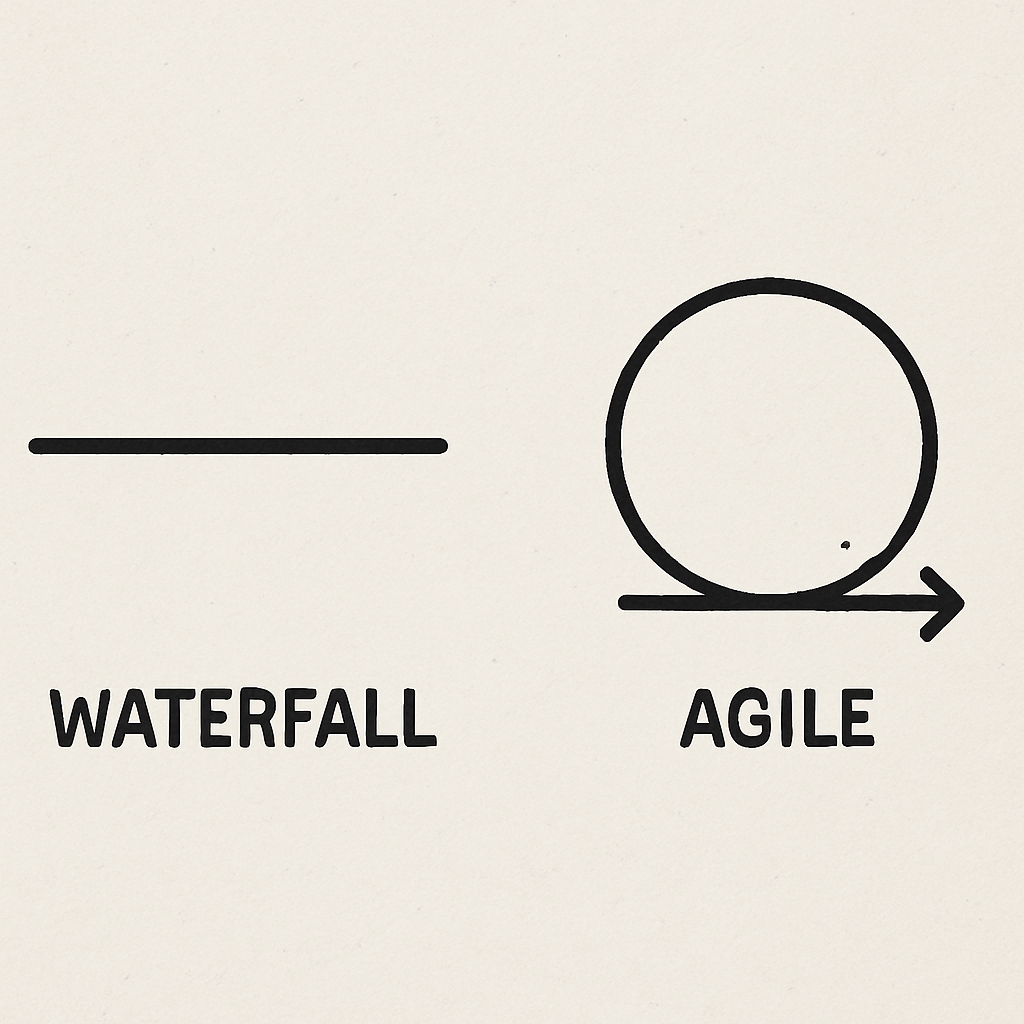
Now, picture a chef creating a new menu item by cooking, tasting, and adjusting the seasoning repeatedly until it is perfect. This looping process describes Agile, a flexible style prioritized by tech companies. Instead of waiting until the very end to see the result, you build the product in small chunks—called Sprints—to get immediate feedback. The course section on agile and scrum methodologies for beginners teaches you how to handle projects where the destination isn’t fully mapped out yet and requirements might change overnight.
Hiring managers love when candidates understand that neither method is superior, but rather different tools for different situations. A startup launching a new app needs the speed of Agile, while a hospital building a new wing needs the safety of Waterfall. Possessing these adaptable project management skills proves you can succeed in any environment, which directly impacts the salary and responsibility levels you can command in the job market.
The ROI of Certification: Salaries, Job Titles, and Market Validity
Investing in new skills requires time and money, so analyzing if the Coursera project management course is worth it is a smart financial move. The data suggests a strong return on investment: the median salary for entry-level project management positions in the US often exceeds $70,000, while the course itself costs a fraction of a university degree. This potential income boost validates the effort spent mastering the methodologies discussed earlier, transforming a monthly subscription fee into a strategic career launchpad.
Landing that first role can be daunting, but Google addresses how to get a project management job with no experience through their Employer Consortium. Upon completion, you gain access to an exclusive job board connecting you with over 150 top employers—including companies like Deloitte and Target—who specifically recognize and value this certificate. This direct pipeline helps bypass the resume “black hole” often faced by career switchers, placing your credentials directly in front of hiring managers who understand your training.
When you start applying, broaden your search beyond just “Project Manager” to match realistic entry level project management salary expectations. Graduates frequently secure positions with these specific titles:
- Project Coordinator
- Junior Project Manager
- Operations Assistant
- Scrum Master
- Associate Program Manager
Bridging the Gap: How to Build a Portfolio with Zero Industry Experience
Many applicants struggle with the paradox of needing experience to get experience. Fortunately, solving the entry-level dilemma often comes down to translation rather than creation. Bridging the project management skills gap involves taking real-world events—like planning a family reunion or managing a retail shift—and documenting them using professional terminology.
During the certification, you will generate real documents that prove you understand the methodology. Instead of telling an interviewer you are organized, show them by building a professional project management portfolio directly from your coursework. A strong entry-level portfolio should include three core artifacts that demonstrate your ability to plan and delegate:
- A Project Charter: The formal document that authorizes the project and defines success.
- A RACI Chart: A visual matrix clarifying who is Responsible, Accountable, Consulted, and Informed.
- A Budget Spreadsheet: Evidence that you can manage resources and forecast costs.
These documents act as concrete evidence of your thinking process. Specifically, the RACI chart shows hiring managers you know exactly how to prevent communication breakdowns on a team. Visualizing your work moves you from a passive learner to an active practitioner.
Mastering the Tools: From Asana to Google Sheets
If you can manage a shared grocery list on your phone, you already possess the foundational logic for modern project management tools. Many beginners fear that essential software for project management professionals requires coding knowledge or complex math, but the reality is far more user-friendly. These platforms are simply designed to answer three questions: what needs to be done, who is doing it, and when it is due. The Google program focuses heavily on Asana, a visual platform that functions like a digital whiteboard, allowing you to drag and drop tasks as easily as organizing files on your desktop.
While visual tools handle the daily workflow, spreadsheets remain the backbone of budget and timeline tracking. You might wonder why you need both, but think of it this way: a task manager is your calendar showing action, while a spreadsheet is your calculator showing data. Learning to automate simple calculations in Google Sheets transforms you from a data entry clerk into a strategic planner. This combination of tools builds the robust project management skills employers look for, proving you can handle both people and numbers effectively.
Gaining proficiency in these specific applications does more than just help you pass the course; it signals to recruiters that you can hit the ground running on day one. Listing specific platforms on your resume demonstrates practical capability rather than just theoretical knowledge. As you build confidence with these tools, you will eventually face a larger career decision regarding your project management certification path: determining whether this foundational knowledge is enough or if you need to pursue the industry-standard PMP credential.
PMP vs. Google Certificate: Navigating the Certification Landscape
Navigating the alphabet soup of credentials often feels overwhelming for newcomers, particularly when comparing the PMP vs entry level PM certification options. The Project Management Professional (PMP) is widely considered the “gold standard” for the industry, but it comes with a catch: you need three years of professional leadership experience just to apply. This is where the Google Certificate shines as a true starter kit. It is designed for beginners with zero experience, helping you build the necessary vocabulary and skills to land your first role, whereas the PMP is a badge of honor for seasoned veterans proving what they have already done.
For those just starting their journey, there is a strategic advantage to completing the Google program first: it acts as a stepping stone toward the Project Management Institute (PMI) ecosystem. The PMI offers a junior credential called the CAPM (Certified Associate in Project Management), which usually requires 23 hours of project management education. Conveniently, the Google course qualifies for this requirement, giving you PMI CAPM exam credit from Coursera automatically. This means your effort counts twice—once for a practical certificate and again as a prerequisite for an industry-recognized exam.
To decide which project management certification path aligns with your current timeline, consider these distinctions:
- Eligibility: PMP requires 36 months of leading projects; Google and CAPM require none.
- Cost: The PMP exam can cost over $500, while the Google course is a low monthly subscription.
- Focus: Google focuses on “how to do the job” practically; PMI focuses on standardized theory.
A Career Change Strategy: Cracking the Entry-Level Interview
Transitioning from a different field often creates anxiety about the “experience gap,” but hiring managers for junior roles are primarily looking for process adoption rather than years of tenure. A successful career change into project management relies on framing your past work—whether in retail, hospitality, or administration—as project experience. Instead of apologizing for a lack of formal titles, use your certificate knowledge to demonstrate that you can apply Google-standard processes to real-world chaos, effectively turning your “willingness to learn” into a competitive advantage.
Behavioral interviews test how you react under pressure, and the best way to prepare is by mastering the STAR method (Situation, Task, Action, Result). This framework turns rambling stories into structured evidence of your competence. You will likely face entry level project management interview questions that require this specific format, such as:
- “How do you handle a missed deadline?”
- “Tell us about a time you managed a conflict.”
- “How do you prioritize tasks?”
Conflict resolution is particularly vital because it proves you can protect a team’s progress without damaging relationships. By focusing on the “Action” part of your story—specifically how you used communication to solve a problem—you demonstrate essential project management skills like negotiation and emotional intelligence.
Your 30-Day Launch Plan: From Enrollment to First Application
You started this article wondering if you had the right background for the corporate world. Now, you realize that project management isn’t about memorizing complex algorithms—it’s about organizing chaos, a skill you likely use every day. The Google Project Management Professional Certificate isn’t just a digital badge; it is the translator that turns your natural organizational instincts into the professional methodology employers are hiring for today.
The barrier to entry is incredibly low compared to a traditional degree, but your approach matters. Because the Coursera professional certificate cost and duration depend entirely on your pace, your motivation directly impacts your wallet. Treating this program like a part-time job rather than a casual hobby is the secret to success; finishing in three months instead of six cuts your tuition in half and gets you into the job market faster.
To stop overthinking and start building momentum, commit to this simple 4-week launch plan:
- Week 1: Enroll in the 7-day free trial and audit the “Foundations of Project Management” course to test the waters.
- Week 2: Set a realistic study calendar (aim for 10 hours a week) to establish a routine.
- Week 3: Update your LinkedIn headline to “Aspiring Project Manager” to officially shift your professional identity.
- Week 4: Complete the first course assessment and immediately begin Module 2 to lock in your habit.
The most difficult part of any project is simply starting. By taking these initial steps, you aren’t just watching videos; you are actively building a project management career path for beginners that leads to real opportunities. Future employers are looking for proactive problem solvers who can drive results—exactly the person you are becoming.