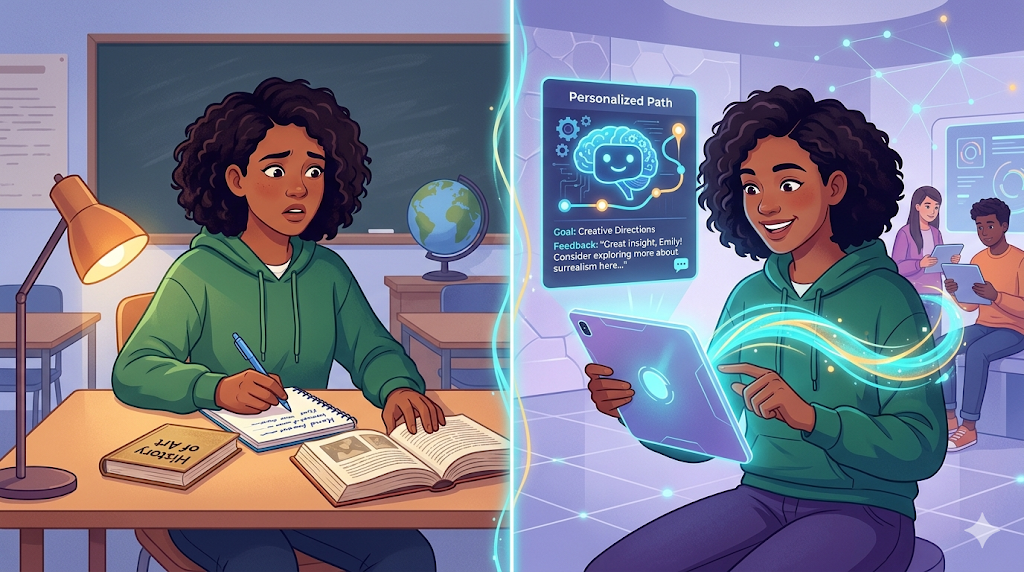
It might feel like the whole world is suddenly talking about artificial intelligence, but a staggering number of people are actually doing something about it. According to data from major education platforms like Coursera, over 5 million students have enrolled in top-tier online AI courses to stay competitive in a changing job market. These Massive Open Online Courses (MOOCs) have successfully transformed a complex subject into accessible lessons for everyone, moving AI education out of university labs and onto our laptops.

If you search for the most popular course for AI, industry data consistently points to one leader: Andrew Ng’s Machine Learning Specialization. While this course is the historical gold standard, high enrollment numbers don’t necessarily mean it is the right starting point for your specific needs. Breaking down the difference between deep technical training and essential AI literacy ensures you choose a path that matches your career ambitions.
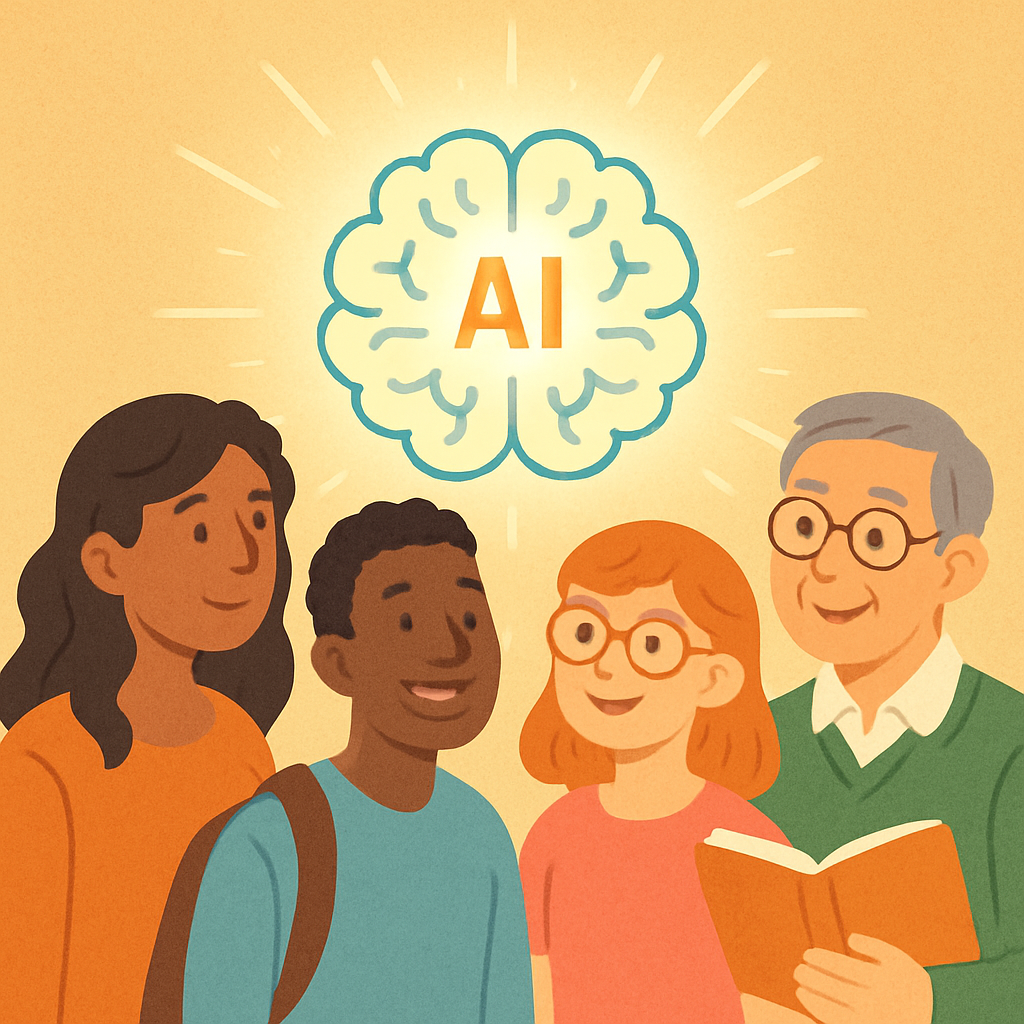
Image Description: A friendly digital illustration of a diverse group of people looking at a glowing, friendly AI brain icon, representing accessible education.
Why Andrew Ng’s ‘AI For Everyone’ Is the Go-To Entry Point
If you are scanning the market for the best artificial intelligence certifications for beginners, you will inevitably land on Andrew Ng’s “AI For Everyone.” Unlike technical bootcamps that demand Python programming from day one, this course is designed specifically for business leaders and generalists. It focuses on demystifying the technology, treating AI not as magic, but as a suite of tools that automate specific tasks—known as “Narrow AI”—rather than the sci-fi robots of “General AI” that think exactly like humans.
The syllabus bridges the gap between confusing jargon and practical application, making it one of the standout free AI courses from top universities when audited. Over roughly six hours, you master the essentials required to sit confidently in a boardroom meeting:
- AI Terminology: Clearly distinguishing between “Neural Networks” (systems that learn from examples) and “Data Science” (extracting insights from information).
- Realistic Expectations: Understanding exactly what AI can do versus what is currently impossible.
- Strategy Building: Learning the data science workflow—the step-by-step process of turning raw data into a working AI project.
Any honest AI for everyone review will tell you that while this certification won’t turn you into an engineer, it provides the literacy needed to manage them. You walk away understanding that data isn’t just numbers, but the fuel for the algorithms that power modern business. However, if your goal shifts from merely managing AI products to actually building them, you will need a more hands-on toolkit.
Decoding the ‘Machine Learning Specialization’: The Gold Standard for Career Changers
For those ready to move from high-level concepts to actual coding, the Andrew Ng Machine Learning Specialization represents the logical next step in your education. This program pulls back the curtain on the “black box” of AI, moving beyond strategy to the mechanics of Python programming for machine learning engineers. You begin with the fundamental building block of modern AI: Supervised Learning. Think of this process as acting like a digital teacher; you feed the computer thousands of examples—such as emails labeled “spam” or “safe”—until the system learns to recognize the difference without human help.

Success in this course requires dusting off high school algebra, but you do not need a doctorate in calculus to survive. The curriculum introduces technical terms like Linear Regression gently, treating them as practical tools for prediction rather than abstract math problems. Imagine trying to predict a car’s fuel efficiency based on its weight; the course guides you through writing code that finds the perfect mathematical line to match that data. This process, known as Algorithmic Training, is how software evolves from a static script into a dynamic system that improves its accuracy over time.
Completing this rigorous program offers one of the strongest industry recognized AI credentials available to self-taught learners. Recruiters value it not just for the technical skills acquired, but because finishing the coursework demonstrates the persistence required for technical roles. However, if your career goals align more with using existing enterprise tools rather than coding new models from scratch, you might find better immediate value in corporate-sponsored programs.
Google AI Essentials vs. Microsoft: Which Corporate Certificate Carries More Weight?
Major tech companies have realized that most employees don’t need to code algorithms; they need to navigate the tools effectively. This shift has made the Google AI Essentials course one of the most enrolled generative AI programs online. While academic courses teach you to build the engine, these corporate pathways teach you how to drive the car. They pivot from heavy math to practical skills like Generative AI—systems that create fresh text and images based on your instructions—and Cloud-based AI, which allows you to access powerful computing tools over the internet without buying expensive hardware.
When comparing these industry giants, the differences lie in their ecosystem and delivery methods:
- Google AI Essentials: Hosted on Coursera, this program focuses on universal skills like Prompt Engineering (the art of refining your questions to get better AI answers) applicable across various tools.
- Microsoft Career Essentials: Found on LinkedIn Learning, this path integrates tightly with the Office 365 suite and Azure services, focusing on how AI aids corporate productivity.
Deciding if a professional AI certificate is worth it usually comes down to which software stack your workplace already uses. If your day revolves around Google Workspace, Google’s training on maximizing their Gemini chatbot offers superior context; if you live in Excel and Outlook, Microsoft’s Copilot training provides better immediate utility. Both programs emphasize that modern AI is commanded through plain English, not code. This focus on language over logic raises a common question for beginners who fear technical barriers.
Do You Need a Math Degree? The Truth About AI Learning Paths
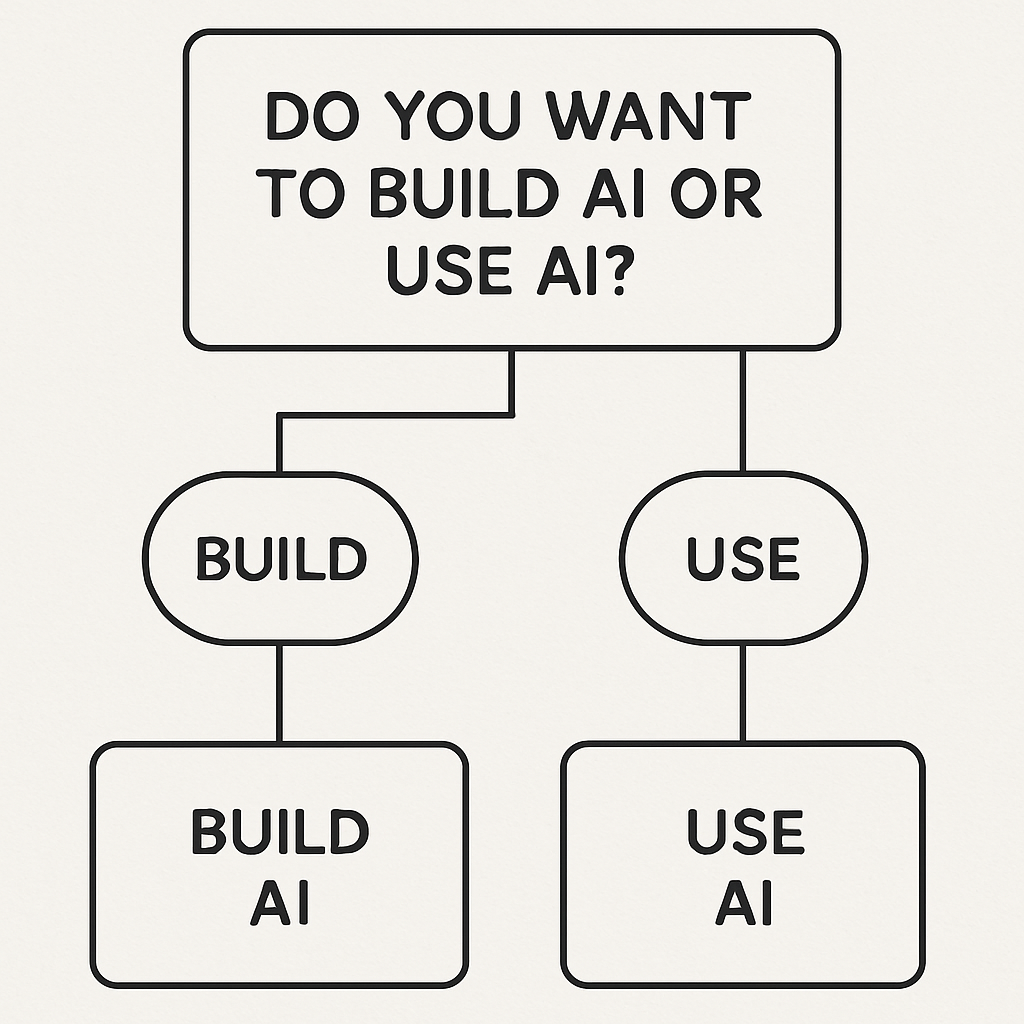
The fear that you must master complex calculus to enter this field is largely outdated. While research scientists certainly need advanced mathematics, the vast majority of modern roles focus on application rather than invention. This distinction creates two distinct journeys: the “builder” path, where you code the algorithms, and the “user” path, focusing on no-code AI tools to solve business problems. Consequently, the prerequisites for learning artificial intelligence depend entirely on whether you intend to construct the engine or simply drive the car, making a self-paced artificial intelligence learning path accessible to non-mathematicians.
For those determined to look under the hood, specific technical skills do come into play. Understanding the basics of Python—the primary language used to communicate with machines—is the standard entry point for developers connecting applications to API-based development platforms. This allows you to stack pre-made AI models like digital Lego blocks without needing to engineer the plastic itself. Whether you choose the technical route or the strategic one, knowing how to start a career in AI without a degree begins with an honest assessment of your current skills.
The 3-Step Action Plan: How to Choose Your First AI Course Today
You’ve moved past the confusion of endless options and can now pinpoint exactly the most popular course for AI based on your actual goals. If you have six hours and need high-level literacy, Andrew Ng’s “AI For Everyone” is your win. If you’re ready for a deeper three-month dive, the “Machine Learning Specialization” remains the gold standard. For those seeking career pivots, top-rated data science and AI bootcamps offer intensive structure, while the best artificial intelligence certifications validate your new skills to employers.
Don’t let analysis paralysis stop you; the only wrong choice is doing nothing. Start small to build momentum without burnout:
- Identify your archetype: The Manager (strategy), The Builder (coding), or The Curious (concepts).
- Audit a lesson: Watch one free video today to test the instructor’s style.
- Set a micro-goal: Schedule just two hours this week to complete the first module.