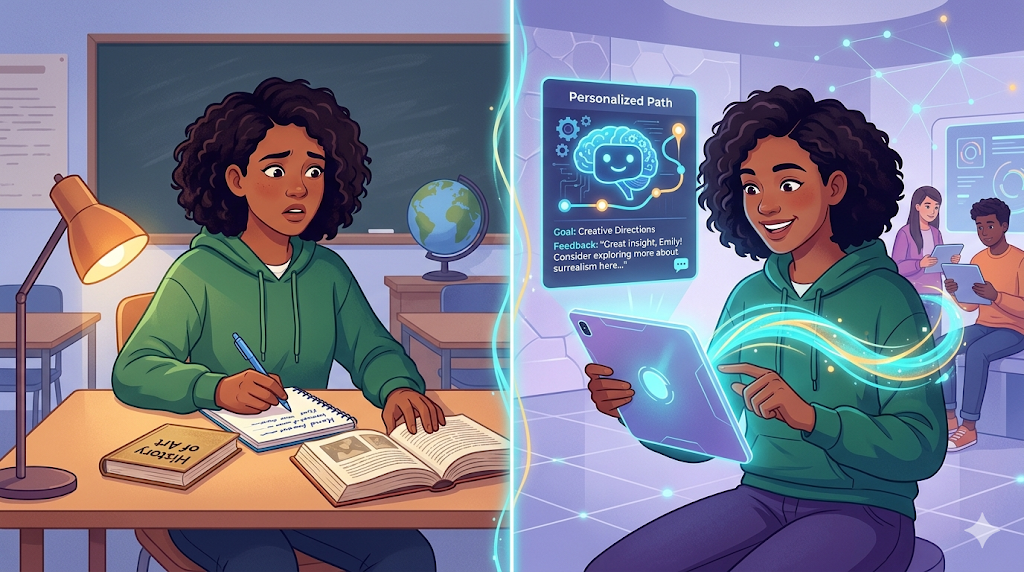
Imagine thirty students where one is bored, three are stuck on the first sentence, and the rest fall somewhere in between. For a single educator, reaching everyone simultaneously is an impossible math problem. According to educational surveys, this time deficit is the biggest barrier to student success.
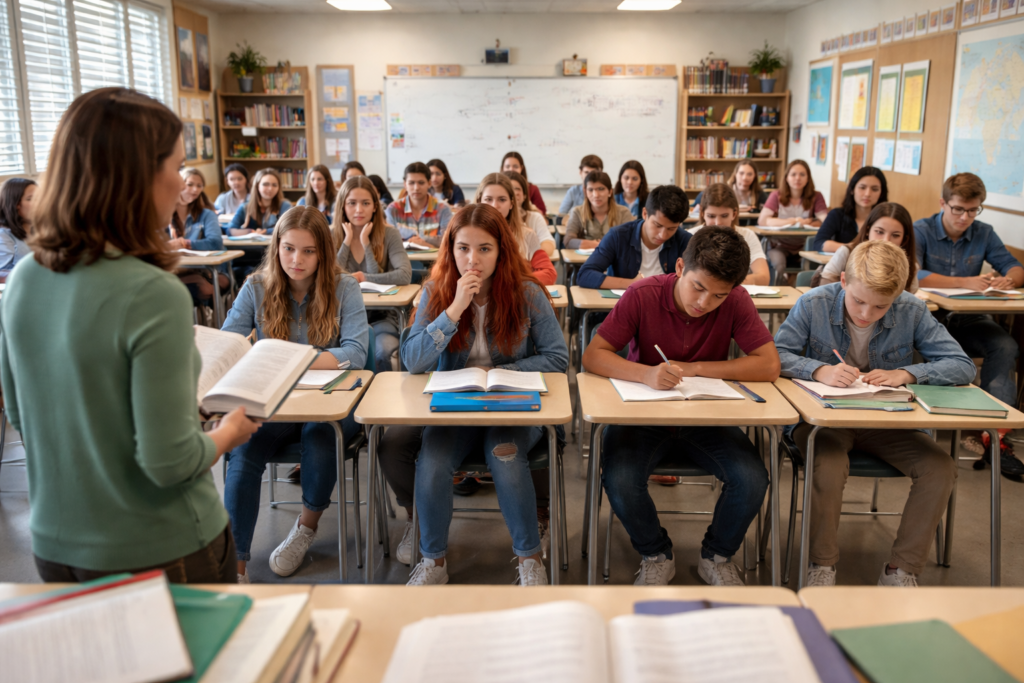
Integrating AI in education changes this equation entirely. A digital teaching assistant that has read every library book is ready to help thirty kids at once. In practice, this reliable support lets School AI reach every student every day with instant, safe guidance.
Rather than replacing human connection, this AI for teachers acts as a personalized tutor for any subject. Industry data shows that immediate feedback dramatically boosts student confidence, turning overwhelmed classrooms into spaces where no child is left behind.
Making Personalized Learning Practical: How AI Tutors Every Student Simultaneously
Every parent knows that no two children learn at the exact same speed. While one breezes through an assignment, another might stare blankly at the first question. For a single teacher managing thirty kids, solving this daily bottleneck is incredibly difficult. However, discovering how to differentiate instruction using artificial intelligence changes that classroom dynamic entirely.
SchoolAI functions as a digital tutor offering real-time feedback the moment a child gets stuck. Instead of just handing out the answer—which short-circuits the learning process—this tool asks guiding questions. This approach delivers personalized learning at scale with SchoolAI, ensuring fast learners stay challenged while others get immediate, safe support without waiting in line for the teacher.
This process, known as differentiation—or tailoring the lesson to fit the child—happens instantly. The AI adjusts to an individual’s pace in three distinct ways:
- Hinting instead of telling: Guiding students to find the answer themselves.
- Simplifying language: Breaking down complex vocabulary for struggling readers.
- Offering relatable analogies: Connecting difficult concepts to everyday interests like sports or music.
Removing the frustration of stalling builds independent thinking, directly improving learning outcomes with personalized AI feedback. When a child requires human intervention, the ‘Classroom Dashboard’ helps identify struggling students faster.
Using the ‘Classroom Dashboard’ to Catch Struggling Students Faster
Driving without a dashboard means you wouldn’t know a problem existed until the engine sputtered. Teaching often feels similar when a child quietly struggles in the back row. SchoolAI solves this by providing real-time student engagement tracking for teachers. Functioning much like a car’s dashboard, educators get a digital “check engine” light the moment a student gets stuck, allowing immediate, targeted intervention.
Instead of constantly hovering over thirty shoulders, educators can step back and see the whole picture. Monitoring individual student progress with AI dashboards means a teacher knows exactly who is succeeding and who is frustrated. This invisible safety net lets kids work independently while the teacher maintains complete, real-time awareness of the room.
Ultimately, this data empowers teachers to direct their irreplaceable human connection exactly where it is needed most. Integrating these AI-powered pedagogical strategies for daily classroom use transforms a hectic room into a smoothly orchestrated environment. With this supportive foundation set, classrooms can evolve beyond traditional lesson plans into highly engaging spaces.
Interactive Bell-Ringers and Spaces: Moving Beyond Traditional Lesson Plans
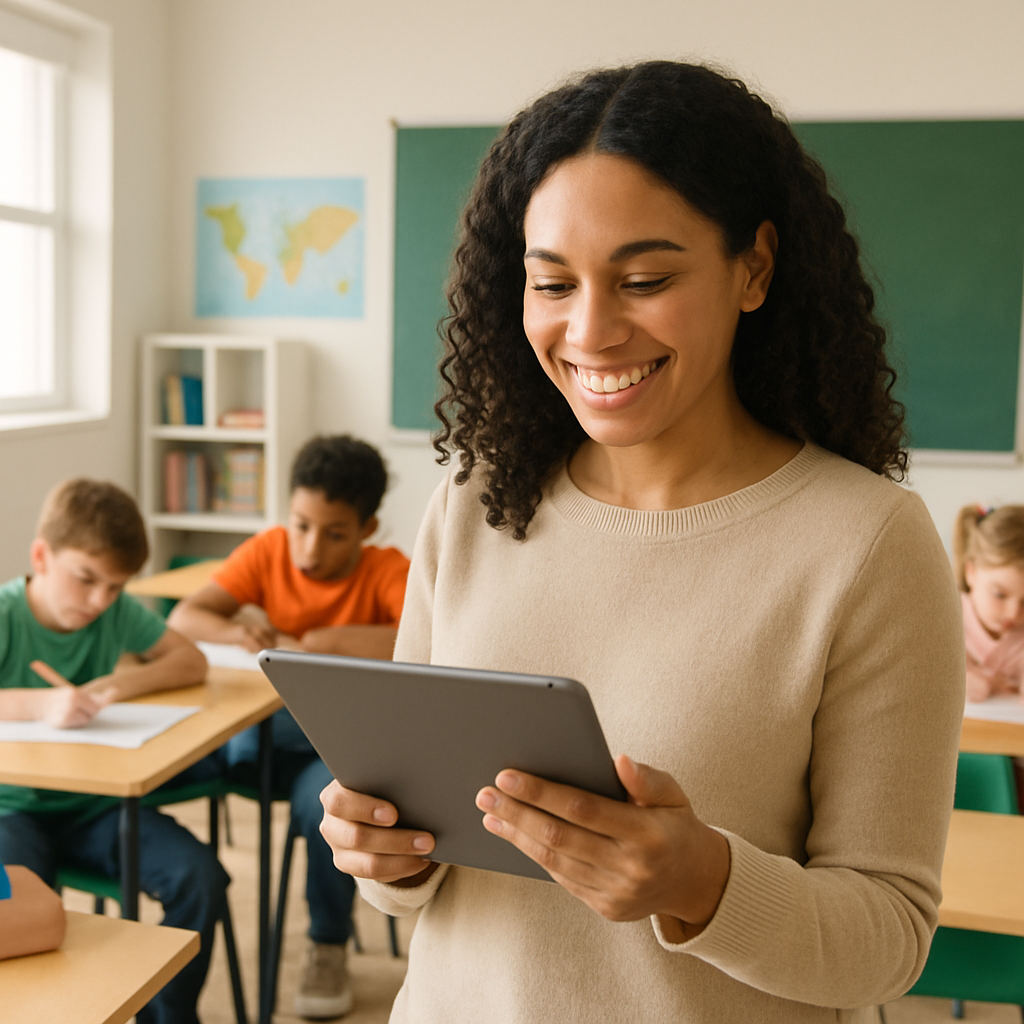
Remember the days of starting class with a silent, fill-in-the-blank worksheet? Today, teachers are transforming those quiet moments into dynamic conversations using a feature called Spaces. When comparing schoolai spaces vs traditional lesson plans, the difference is like reading a static textbook versus talking directly to a friendly digital tutor.
Instead of a flat handout, educators can launch interactive bell-ringers for k-12 classrooms that hook student interest in under ten minutes. A student might log in and find themselves chatting with an AI programmed as an astronaut, answering thought-provoking questions to unlock the day’s science lesson.
This setup puts kids directly in the driver’s seat of their own education. By implementing schoolai for inquiry-based learning, teachers give students the freedom to ask their own questions and follow their natural curiosity. Meanwhile, the AI gently leads them toward the correct conclusions rather than just giving the answers away.
Naturally, inviting this kind of interactive technology into a school raises valid questions about security and oversight. Parents and educators need absolute peace of mind regarding data protection and safety.
The ‘Walled Garden’ Approach: Ensuring Student Privacy and Safety
Handing a student open access to standard chatbots can feel like dropping them in a busy city without a map. Conversely, SchoolAI uses a “Walled Garden” approach. It builds a safe, fenced-in space where learners can explore knowledge without the risks of the open web. This purposeful design prioritizes student data privacy and security in educational ai.
Establishing best practices for ethical ai integration in education means giving teachers complete oversight over the digital experience. Parents and educators gain immediate peace of mind through four foundational safety pillars:
- Zero personal data sharing with outside tech companies
- Strictly filtered, age-appropriate learning content
- Teacher-controlled boundaries that keep conversations on-topic
- Secure environments built exclusively for K-12 schools
Because the system operates safely within these digital walls, educators can confidently focus on managing diverse classroom needs with ai tools instead of policing web traffic. With these vital protections in place, teachers can shift their energy back to their true passion: mentoring students.
Reclaiming Time for Mentorship: The Future of Your Classroom
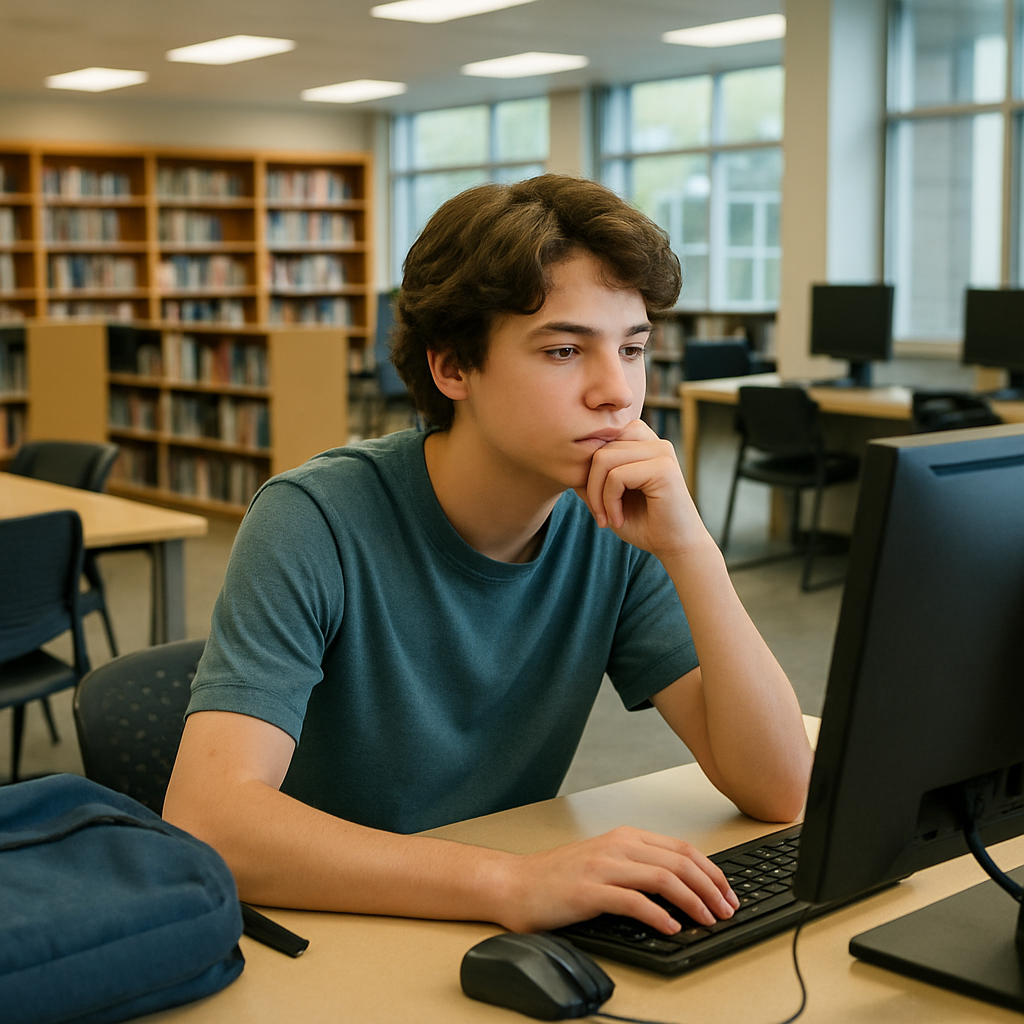
When asking if AI can help reduce teacher workload in schools, the true answer lies in the human connections it saves. By handling repetitive tasks like providing basic vocabulary hints, the technology clears a path for genuine relationship building.
Teachers finally have the time to sit down and mentor that one quiet student who rarely asks for help. While the teacher connects personally, the rest of the class continues safely building student agency through generative ai tools acting as patient, digital tutors.
This approach creates future-ready classrooms without replacing the human heart of education. Advocating for supportive classroom tech is a practical step toward a more personalized environment, helping reach every student every day with the attention they deserve.