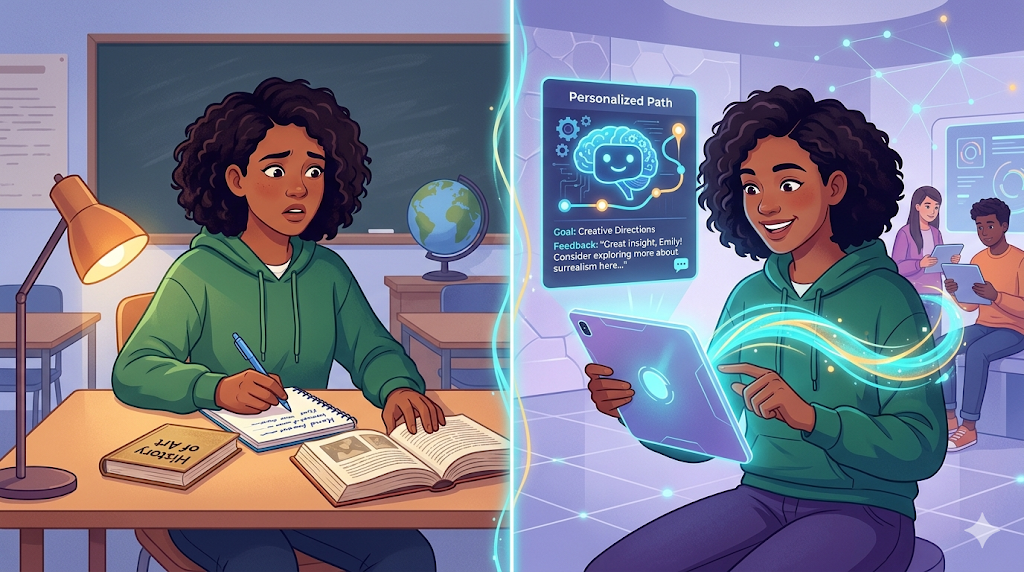
Artificial Intelligence is fundamentally reshaping the education system by powering personalized learning paths, automating heavy administrative workloads, and providing educators with predictive analytics to identify and support struggling students early on. However, this transformation comes with critical challenges. To successfully integrate AI into the classroom, schools must proactively address data privacy risks, mitigate algorithmic bias, and ensure that technology enhances—rather than replaces—the irreplaceable human connection and mentorship that teachers provide.|
Artificial Intelligence (AI) is transforming many sectors, including education. It simulates human intelligence in machines, enabling them to learn and adapt.
In education, AI offers personalized learning experiences. It tailor’s lessons to individual student needs and learning speeds.
AI tools can automate routine tasks, freeing educators to focus on teaching. This enhances the overall learning experience.
AI-driven analytics provide insights into student performance. Educators can use this data to refine teaching strategies.
AI also supports students with disabilities through tools like speech recognition. This promotes inclusivity in education.
However, integrating AI in education raises ethical concerns. Issues like data privacy and the digital divide need addressing.
AI’s role in education is still evolving. Ongoing research and collaboration are crucial for its effective integration.
The future of education with AI holds immense potential. It promises to revolutionize learning and teaching methods.
What is Artificial Intelligence? Understanding the Basics
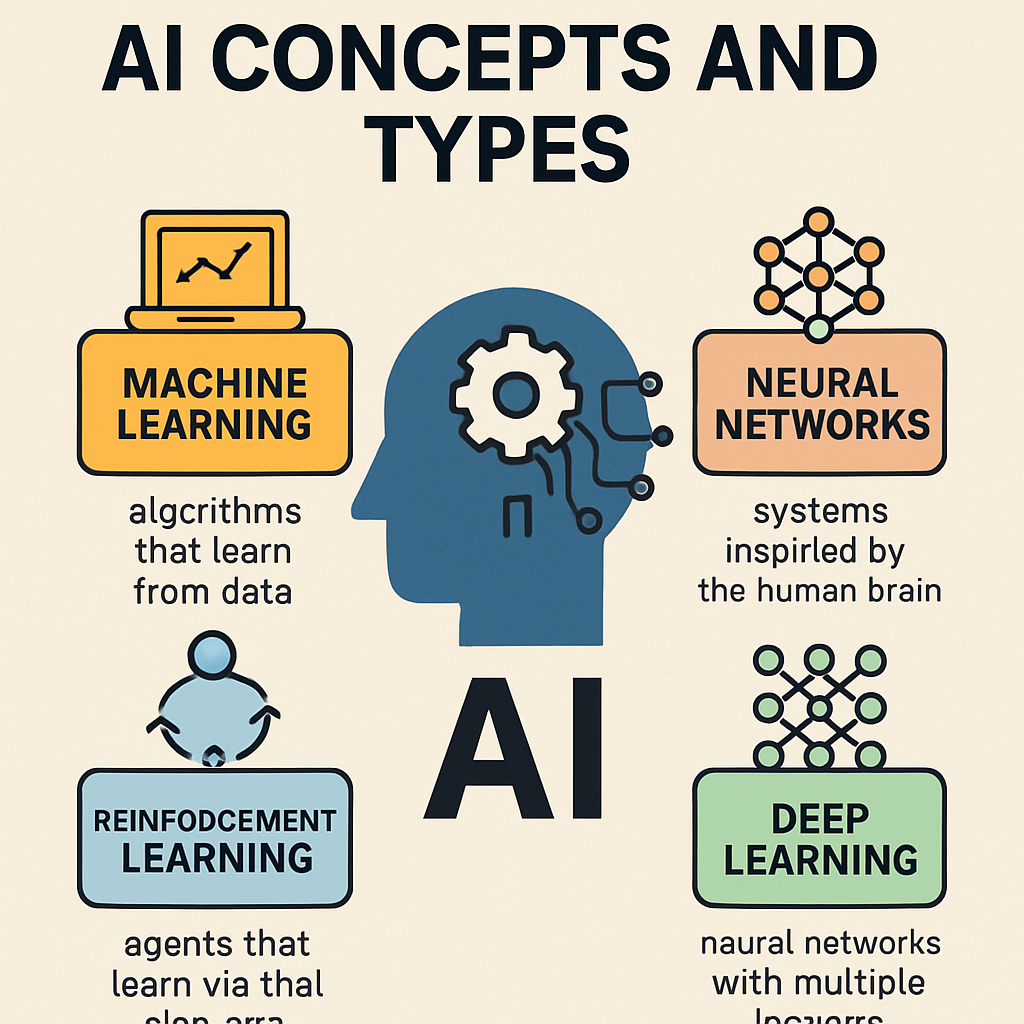
Artificial Intelligence (AI) refers to the capability of machines to mimic human cognitive functions. These include learning, problem-solving, and decision-making.
AI operates by using algorithms and data to simulate thinking processes. It enables machines to perform tasks that typically require human intelligence.
AI is categorized into different types:
- Reactive Machines: Basic AI systems that react to specific inputs.
- Limited Memory: AI systems that learn from past data and experiences.
- Theory of Mind: AI systems that understand human emotions (not yet fully realized).
- Self-aware: Future AI that will have consciousness and self-awareness.
The importance of AI in today’s world cannot be overstated. It drives innovation across various sectors by enhancing efficiency and capability.
Understanding AI’s basics is essential as its influence continues to grow. As AI evolves, its integration into everyday life becomes more pervasive.
The Evolution of AI in Education
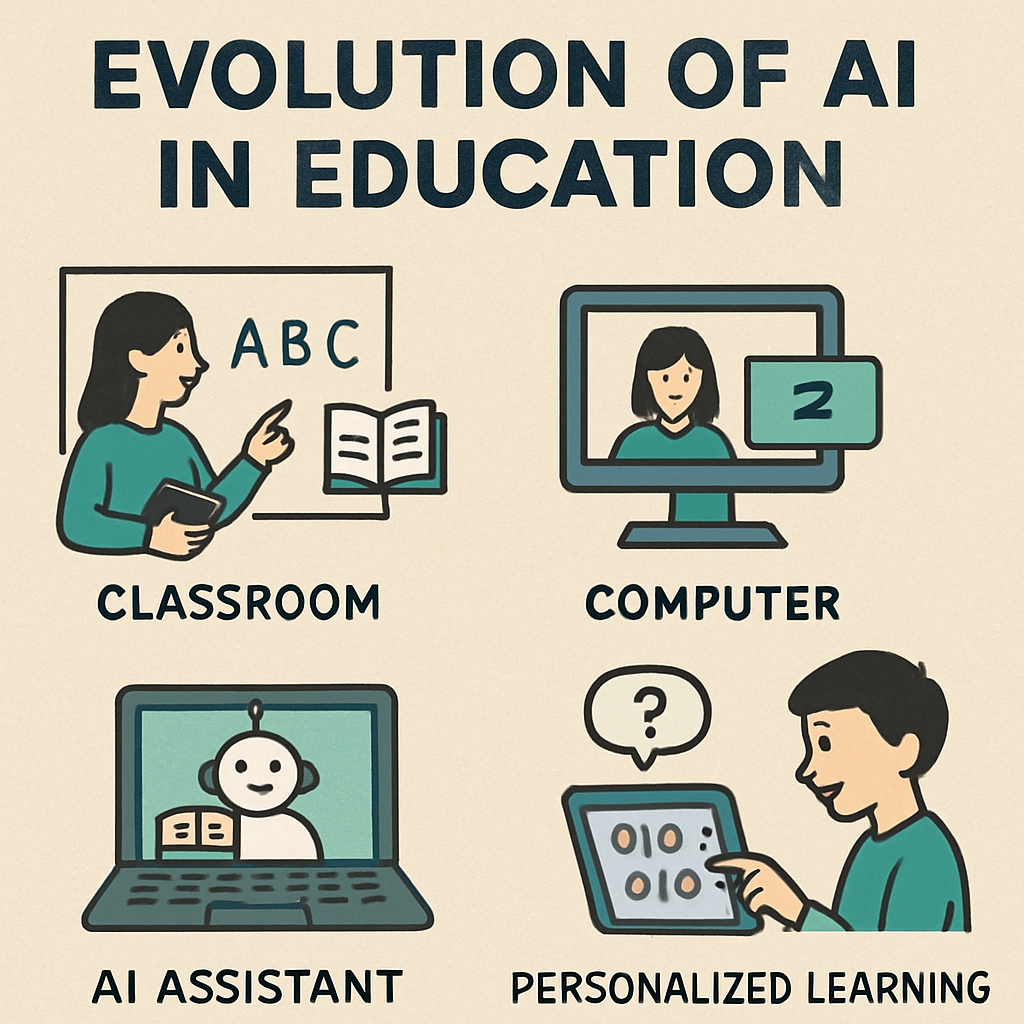
AI’s presence in education has evolved dramatically over time. Initially, it focused on simple automated systems to assist basic administrative functions.
As technology advanced, AI began personalizing learning experiences. This meant adapting to individual student needs for a more tailored education approach.
Key milestones in AI’s evolution in education include:
- Basic Automation: Originally used for tasks like scheduling.
- Adaptive Learning Systems: Emerged to provide personalized learning paths.
- AI Tutors: Began to assist in student learning outside the classroom.
Today, AI continues to transform education. It offers innovative solutions that enhance student engagement and learning outcomes.
With continuous advancements, the role of AI in education systems is becoming more profound. It revolutionizes how educational content is delivered and consumed.
Key Applications of AI in the Education System
The integration of AI in education is transforming conventional practices. AI offers diverse applications that enhance how knowledge is imparted and absorbed.
One significant application is personalized learning. AI systems adjust instructional content to match individual learning speeds and styles.
AI also automates tedious administrative tasks. This gives teachers more time to focus on teaching and student interaction.
Personalized Learning Experiences
AI thrives in tailoring education to fit student needs. With AI, educators can create unique learning experiences that prioritize the student.
AI’s role includes adapting curriculum materials to various learning styles. It identifies struggling students and offers timely support.
Key aspects include:
- Customized study plans
- Adaptive learning modules
- Immediate feedback and assessment
The ability to adapt to each student’s pace enhances both motivation and outcomes.
Automating Administrative and Teaching Tasks
AI reduces the administrative workload for educators. Tasks like grading and scheduling can be automated.
This allows teachers to spend more time on creative and meaningful teaching activities. AI tools also assist in managing classroom dynamics.
Important functions include:
- Automated grading systems
- Administrative task management
- Classroom management software
As AI handles routine tasks, educators can invest more time in student engagement.
Enhancing Accessibility and Inclusion
AI fosters inclusion by creating accessible learning environments. It can support students with disabilities through advanced technological tools.
AI applications include speech recognition tools and text-to-speech software. These tools ensure that learning materials are accessible to all.
Key technologies include:
- Assistive technology
- Translation tools
- Accessible content delivery
Such tools enable a more inclusive education, supporting diverse learning needs.
AI-Driven Analytics and Early Intervention
AI analytics provide insights into student performance. These insights help educators identify trends and tailor interventions.
Early intervention can prevent long-term academic challenges. AI can spot struggling students before problems escalate.
Applications include:
- Performance analytics
- Intervention tracking
- Predictive modeling
With these insights, educators can take proactive steps to support student success.

by Vitaly Gariev (https://unsplash.com/@silverkblack)
AI systems continue to enhance educational outcomes by leveraging advanced analytics and supportive tools.
Benefits of AI in Education
AI offers numerous advantages to the educational landscape. One primary benefit is the customization of learning paths for each student. This personalization results in a more effective and engaging educational experience.
AI-powered tools can deliver instant feedback and adapt lessons on the go. This real-time adjustment helps keep students on track, boosting learning outcomes.
Additionally, AI provides valuable data and insights. These insights allow educators to refine their teaching methods for better results.
Key Benefits
- Personalized learning paths
- Real-time feedback and adaptation
- Data-driven decision making
Enhanced accessibility is another noteworthy benefit. AI tools help students with diverse needs by offering tailored support.
AI also alleviates some of the teachers’ burdens. Automation of administrative tasks gives educators more time for direct student interaction.
Educational Innovations
- Accessible learning tools
- Automating routine tasks
- Streamlined communication
These innovations support an efficient and inclusive learning environment. By using AI, educators can better address individual student needs and focus on transformative teaching practices.

by Vitaly Gariev (https://unsplash.com/@silverkblack)
AI promises a more tailored and supportive education system for all learners.
Challenges and Risks of AI in Education
AI in education brings not just benefits but also challenges. These challenges need careful consideration to ensure effective and safe implementation.
Data privacy is a primary concern. Students’ data must be protected from unauthorized access and breaches.
Security risks add another layer of complexity. With so much data collected, robust measures are necessary to prevent misuse.
Key Challenges
- Data privacy risks
- Security vulnerabilities
- Ethical concerns
Bias in AI systems poses significant risks. Bias can lead to unfair outcomes, affecting students’ learning experiences.
Equity issues also arise with AI in education. Not all schools have equal access to the latest technology and resources.
Considerations for Use
- Addressing systemic biases
- Promoting equal access
- Ensuring fairness in outcomes
AI also risks creating over-dependence on technology. This dependency might reduce the importance of human interaction in learning.
We must balance technology with human touch. Teachers play irreplaceable roles in developing social and emotional skills.
by Markus Spiske (https://unsplash.com/@markusspiske)
Effective policies and practices can mitigate these risks. Collaboration among educators and technologists is crucial for responsible AI integration in education.
Data Privacy and Security Concerns
Data privacy is a top priority when implementing AI in schools. The handling of sensitive student data demands stringent protection measures.
Schools must adopt strong cybersecurity protocols. This will ensure data remains safe from breaches and misuse.
Essential Measures for Data Security
- Implementing robust security protocols
- Regular audits and assessments
- Training staff in best practices
Guarding against unauthorized access is vital. Consistent monitoring will help in swiftly addressing any security issues. Ensuring privacy aligns with ethical use of AI, securing trust in technology.
Bias and Equity Issues
Bias in AI systems can lead to unequal educational opportunities. This imbalance may arise from biased algorithms and data sets.
Ensuring fairness requires conscious efforts. Developers need to consider diverse data to mitigate bias in AI applications.
Strategies to Address Bias
- Using diverse and representative data
- Regularly testing AI systems for fairness
- Engaging experts in bias detection
Equity involves providing equal access to AI tools. Schools must ensure all students benefit, regardless of their socio-economic background.
Over-Reliance on Technology and Human Interaction
Excessive reliance on technology can overshadow human interaction. Education must balance digital tools with face-to-face engagement.
Teachers play essential roles beyond what AI can offer. Their guidance fosters social skills, empathy, and critical thinking.
Balancing Technology and Human Roles
- Encouraging teacher-student interactions
- Using AI to complement teaching, not replace it
- Fostering skills beyond academic knowledge
Maintaining this balance ensures comprehensive education. While AI offers great tools, human influence remains paramount in effective learning.
AI in Education Policy: News and Developments Today
AI’s role in education policy is evolving rapidly. Policymakers focus on integrating AI to enrich learning while addressing challenges.
Recent policy news emphasizes ethical AI use. Regulations aim to protect student privacy and promote fair access across schools.
by Markus Winkler (https://unsplash.com/@markuswinkler)
International collaborations are forming to set global AI standards. These efforts focus on harmonizing AI ethics and educational outcomes.
Key Developments in AI Education Policy
- Ethical guidelines for AI usage
- Initiatives to bridge the digital divide
- Increased funding for AI education research
Governments are investing in teacher training for AI tools. This prepares educators to leverage AI effectively in classrooms.
Policy frameworks continue to adapt as technology evolves. Ongoing dialog among educators, technologists, and policymakers is crucial. Together, they can navigate AI’s complex role in education for a bright future.
The Future of Educational Technology with AI
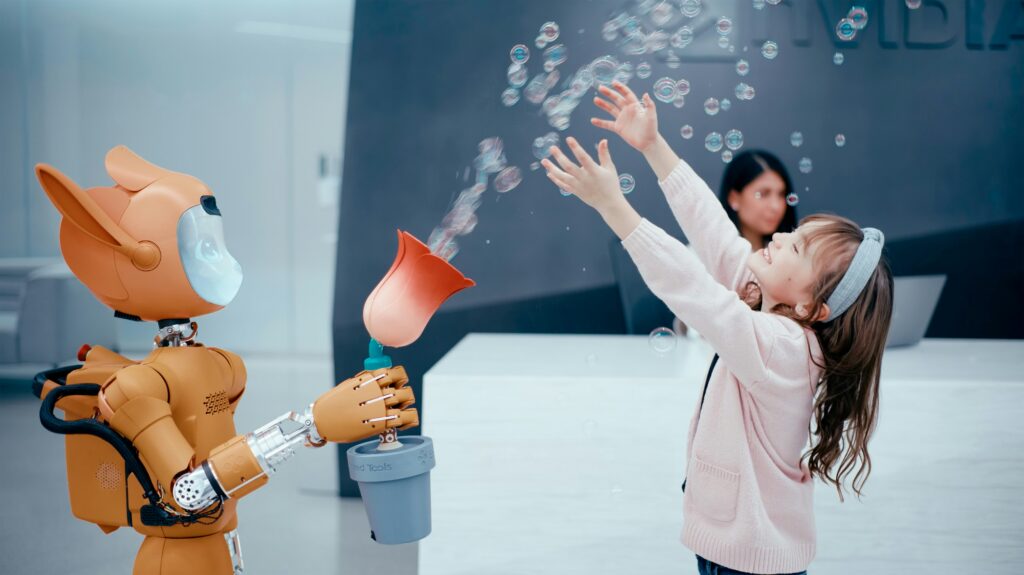
The future of educational technology holds immense possibilities with AI at its core. Adaptive learning platforms will be prevalent, offering tailored experiences for every student.
AI can transform traditional classrooms into dynamic learning environments. Virtual reality integrated with AI could provide immersive experiences, making complex subjects more comprehensible.
by Enchanted Tools (https://unsplash.com/@enchantedtools)
Predictive analytics, driven by AI, will become vital. These tools will forecast student needs and trends, enabling proactive educational strategies.
Potential Future Developments
- Advanced virtual tutors
- Augmented reality for interactive learning
- Real-time curriculum adaptation
- Enhanced collaborative learning tools
AI’s integration will require ongoing research and innovation. Stakeholders must ensure these technologies enhance teaching practices and learning opportunities without widening gaps. With careful implementation, AI can make education more engaging and inclusive.
Best Practices for Integrating AI in Schools
Effectively integrating AI into schools requires strategic planning and execution. Educators should focus on selecting AI tools that align with their teaching goals and curricula. It’s essential to assess the needs of both teachers and students.
Training for teachers is crucial. They must understand how to use AI tools to enhance their teaching methods effectively. Continuous professional development can ensure educators remain up-to-date with AI advancements.
Key Best Practices
- Evaluate existing educational needs.
- Provide training for educators.
- Ensure data privacy and security.
- Foster a culture of technological adaptability.
- Encourage collaboration between tech developers and educators.
By following these practices, schools can harness AI to create enriched and supportive learning environments.
Conclusion: The Road Ahead for AI in Education
The integration of AI in education presents vast opportunities and challenges. As AI technology advances, its role in education is expected to grow, offering more personalized, efficient, and inclusive learning experiences for students across the globe.
Educators, policymakers, and technologists must collaborate to ensure AI tools are used ethically and effectively. By prioritizing data privacy and promoting equity, the education system can address potential risks while capitalizing on the benefits AI offers.
The future of education will be shaped by how well AI is integrated to complement traditional teaching methods, fostering an innovative and inclusive learning environment for all.