
We are no longer amazed by AI’s magic tricks—instead, we are putting it to work. Search trends have shifted dramatically from broad questions to highly specific, practical queries like the “best AI for writing, coding, and image generation.” Discover why the era of the one-size-fits-all chatbot is over, and learn how to build your own specialized AI toolkit.
Remember when using AI meant asking a chatbot to write silly poems or answer impossible riddles? That honeymoon phase is officially over. Today, we treat AI less like a novelty and more like a daily utility.
This shift explains why search trends have evolved. People are no longer asking broad questions like “What is AI?” Instead, they are searching for the “best AI for...” highly specific tasks. We have entered the era of the specialized toolkit.
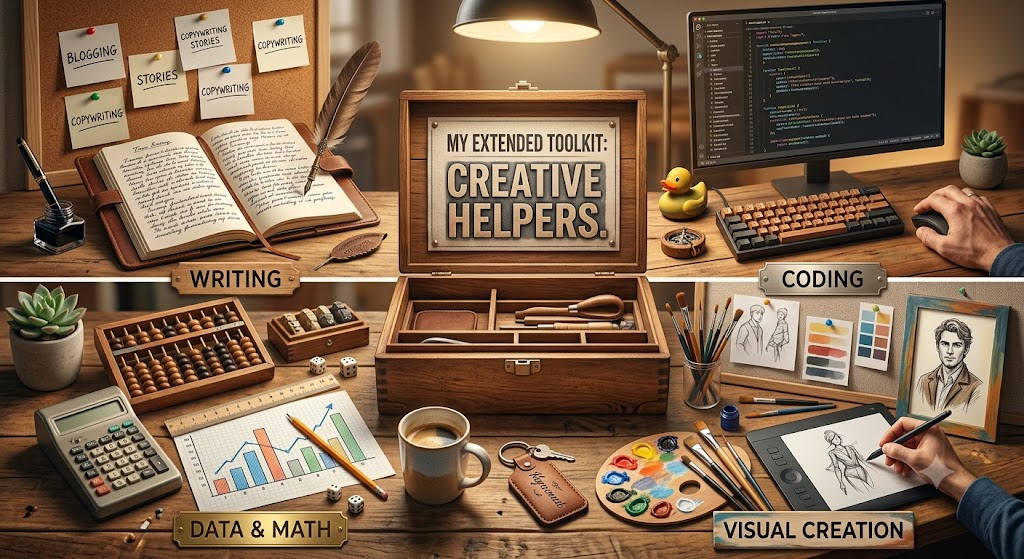
1. Writing
Instead of expecting one tool to do it all, users seek targeted solutions. Marketers look for AI to draft high-converting ad copy, authors use it for creative brainstorming, and bloggers use it to outline articles and defeat writer’s block.
2. Coding
Developers aren’t using AI to avoid learning how to program; they’re using it to eliminate tedious boilerplate work. Coding assistants help catch bugs early, autocomplete repetitive scripts, and free up engineers to focus on big-picture architecture.
3. Visual Content
Image generation search intent has matured significantly. Users now hunt for distinct tools depending on whether they need photorealistic product mockups, brand logos, or surreal concept art.
4. Data & Math
From crunching complex formulas to turning overwhelming spreadsheets into clear narratives, specialized AI tools now help non-analysts spot trends, find anomalies, and make sense of heavy numbers effortlessly.
The Takeaway: The future of AI isn’t one single app that does everything. It’s about building a personalized stack of specialized tools to work smarter, create faster, and solve real problems.